THE ADVENTURE COLLECTIVE® · Independent discovery and booking for outdoor travel

Walk off the tourist trail from Brașov into serene Transylvanian villages, where pastoral hills meet the limestone spines of Piatra Craiului. This guided 10–12 km ramble mixes landscape, local history and a home-cooked lunch at a village guesthouse.
Walk off the tourist trail from Brașov into serene Transylvanian villages, where pastoral hills meet the limestone spines of Piatra Craiului. This guided 10–12 km ramble mixes landscape, local history and a home-cooked lunch at a village guesthouse.
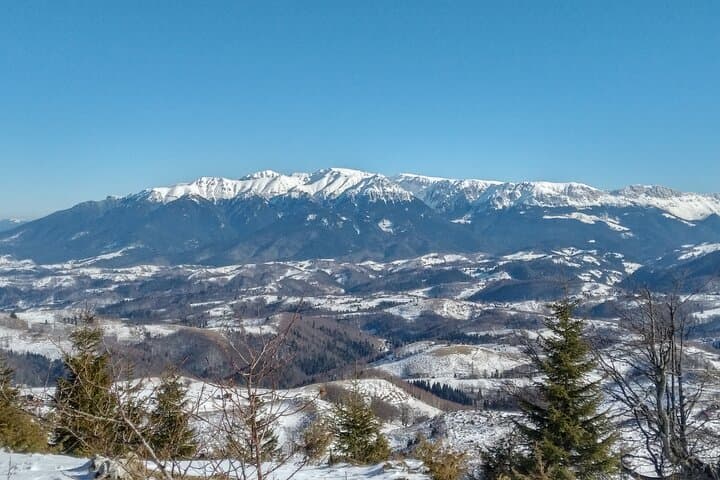
A mist lifts off the meadow as your minivan eases away from Piața Sfatului in central Brașov and the open hills of Transylvania stretch into view. The route narrows to single-lane roads, then to dirt tracks that climb through orchards and pasture. In the distance the limestone ribs of Piatra Craiului outline themselves against the sky — a raw edge that seems to watch the valley below.
Verified experiences and guided adventures in the surrounding area.
Operated by Active Travel Day Tours · Brașov, Brașov County
A mist lifts off the meadow as your minivan eases away from Piața Sfatului in central Brașov and the open hills of Transylvania stretch into view. The route narrows to single-lane roads, then to dirt tracks that climb through orchards and pasture. In the distance the limestone ribs of Piatra Craiului outline themselves against the sky — a raw edge that seems to watch the valley below.
This walk threads history into landscape. The villages you pass once sat on a frontier between the Austro-Hungarian Empire and the Romanian Kingdom; stone houses, wooden fences and old shepherding trails still mark that past. Geologically, the area is the western foothill zone of the Southern Carpathians — rolling moraines, karst limestone outcrops and steep limestone walls farther north that feed the region’s distinct microclimates.
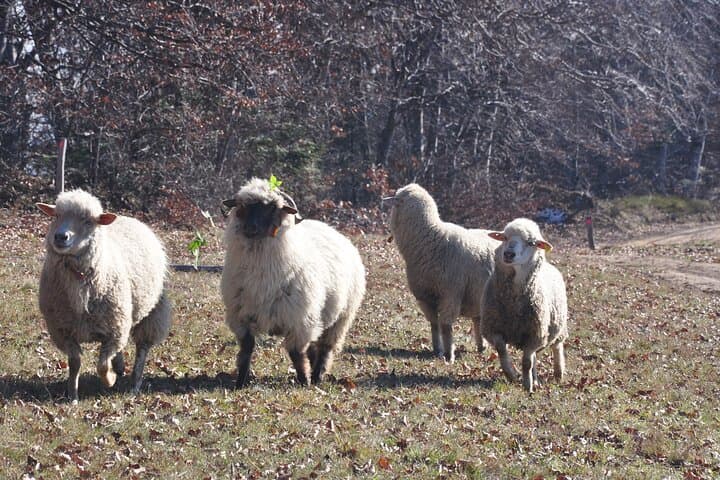
Culturally the day is quiet and domestic: elderly farmers tending sheep, small orchards, and guesthouses where local cheese and cured pork are made by hand. Your licensed guide shares village legends and explains traditional land use as you move, making the walk as much about people as place.
Practicalities: expect 10–12 km of easy-to-moderate walking on mixed farm tracks and forest paths, roughly 4–5 hours including transfers. Trails can be muddy after rain and exposed on sunny days; sturdy waterproof shoes, layered clothing and 1–2 liters of water are sensible. A locally prepared lunch at a guesthouse concludes the day—think sheep cheese, smoked sausages and preserves—before the return drive to Brașov. Morning departures avoid afternoon thunderstorms in summer and give the clearest views of the massif.
moderate.
4–5 hours.
Suitable for walkers used to undulating terrain and several hours of continuous hiking; moderate fitness required.
The guided walk covers roughly 10–12 km on easy-to-moderate terrain and takes about 4–5 hours including transfers and lunch; suitable for walkers with moderate fitness.
Yes—round-trip transport from Brașov by air-conditioned car or minivan and hotel pickup from Brașov are included; confirm pickup 24 hours in advance.
A home-cooked lunch at a village guesthouse is included, typically local sheep and cow cheeses, cured pork products, vegetables and preserves; vegetarian options can often be accommodated if requested.
Not recommended for travelers with back problems or pregnant guests; children are welcome but consider the distance and rural trail conditions.
The route follows settlements that once marked the Austro-Hungarian border; many villages retain 19th-century layouts and livelihoods tied to sheep and cattle farming.
This is a working cultural landscape—stay on marked paths, respect private property and support local guesthouses to keep economic benefits in the community.
Active Travel Day Tours operates guided outdoor trips and adventures with an emphasis on safety, stewardship, and memorable experiences.
A mist lifts off the meadow as your minivan eases away from Piața Sfatului in central Brașov and the open hills of Transylvania stretch into view. The route narrows to single-lane roads, then to dirt tracks that climb through orchards and pasture. In the distance the limestone ribs of Piatra Craiului outline themselves against the sky — a raw edge that seems to watch the valley below.
A mist lifts off the meadow as your minivan eases away from Piața Sfatului in central Brașov and the open hills of Transylvania stretch into view. The route narrows to single-lane roads, then to dirt tracks that climb through orchards and pasture. In the distance the limestone ribs of Piatra Craiului outline themselves against the sky — a raw edge that seems to watch the valley below.
This walk threads history into landscape. The villages you pass once sat on a frontier between the Austro-Hungarian Empire and the Romanian Kingdom; stone houses, wooden fences and old shepherding trails still mark that past. Geologically, the area is the western foothill zone of the Southern Carpathians — rolling moraines, karst limestone outcrops and steep limestone walls farther north that feed the region’s distinct microclimates.
Culturally the day is quiet and domestic: elderly farmers tending sheep, small orchards, and guesthouses where local cheese and cured pork are made by hand. Your licensed guide shares village legends and explains traditional land use as you move, making the walk as much about people as place.
Practicalities: expect 10–12 km of easy-to-moderate walking on mixed farm tracks and forest paths, roughly 4–5 hours including transfers. Trails can be muddy after rain and exposed on sunny days; sturdy waterproof shoes, layered clothing and 1–2 liters of water are sensible. A locally prepared lunch at a guesthouse concludes the day—think sheep cheese, smoked sausages and preserves—before the return drive to Brașov. Morning departures avoid afternoon thunderstorms in summer and give the clearest views of the massif.