THE ADVENTURE COLLECTIVE® · Independent discovery and booking for outdoor travel

Follow a ten-day route through Sri Lanka's sacred sites, misted tea country and wildlife-rich parks. This private tour blends archaeology, legend and safari with practical pacing for travelers who want cultural depth and easy adventure.
Follow a ten-day route through Sri Lanka's sacred sites, misted tea country and wildlife-rich parks. This private tour blends archaeology, legend and safari with practical pacing for travelers who want cultural depth and easy adventure.
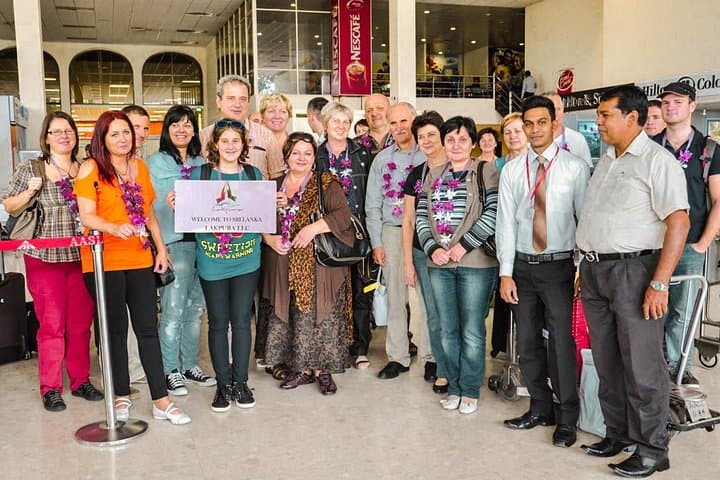
You arrive through humid night air, the airport lights a smear on the western horizon, and by dawn the tour's rhythm is already setting in: temple bells, the low diesel grumble of the private vehicle, and a guide pointing out a roadside shrine. This 10-day Ramayana Holiday traces legends as much as landscapes — limestone caves painted with ancient murals, a lion-shaped rock fortress that still stands guard over the plains, misted tea hills that seem to breathe, and jeep tracks through scrub that might produce a leopard at any turn.
Verified experiences and guided adventures in the surrounding area.
Operated by Lakpura LLC · Dambulla, Central Province
You arrive through humid night air, the airport lights a smear on the western horizon, and by dawn the tour's rhythm is already setting in: temple bells, the low diesel grumble of the private vehicle, and a guide pointing out a roadside shrine. This 10-day Ramayana Holiday traces legends as much as landscapes — limestone caves painted with ancient murals, a lion-shaped rock fortress that still stands guard over the plains, misted tea hills that seem to breathe, and jeep tracks through scrub that might produce a leopard at any turn.
The route reads like a compressed history of Sri Lanka: Dambulla’s cave temples with painted ceilings dating to the 1st century BC; the 5th-century fortress of Sigiriya, raised on a volcanic plug and engineered with terraces, moats, and water gardens; the Kandyan heartland where the Temple of the Tooth Relic anchors Buddhist ritual; and the British-era hill station of Nuwara Eliya with its cool air and colonial bungalows.
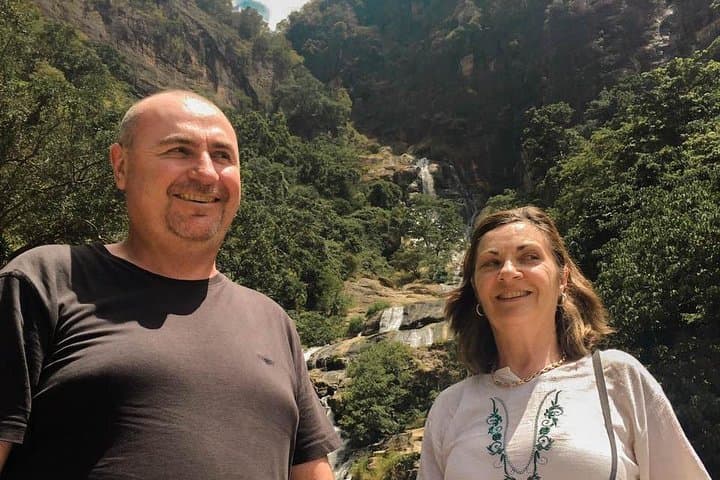
Geology shapes the trip. You climb and descend former lava flows and metamorphic outcrops — Sigiriya itself is a hardened column that resisted erosion while the surrounding plains wore away. Up in Horton Plains and Nuwara Eliya, the land shifts to montane grassland and cloud forest at roughly 1,900–2,200 meters elevation, where humidity condenses into persistent mist and Baker's Falls spits cold spray into the gullies.
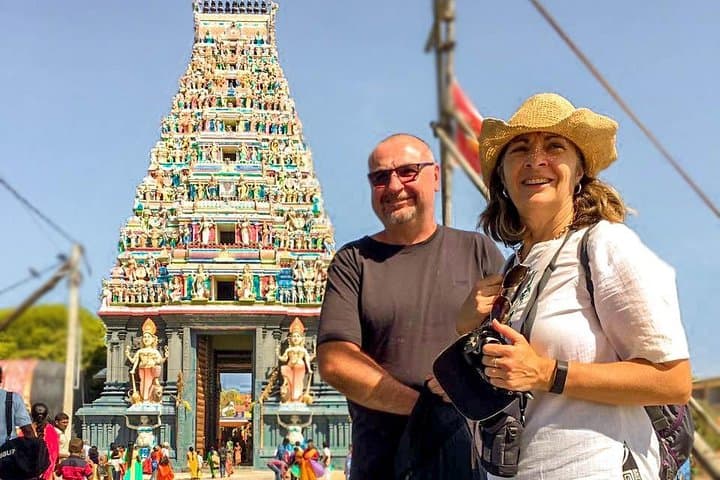
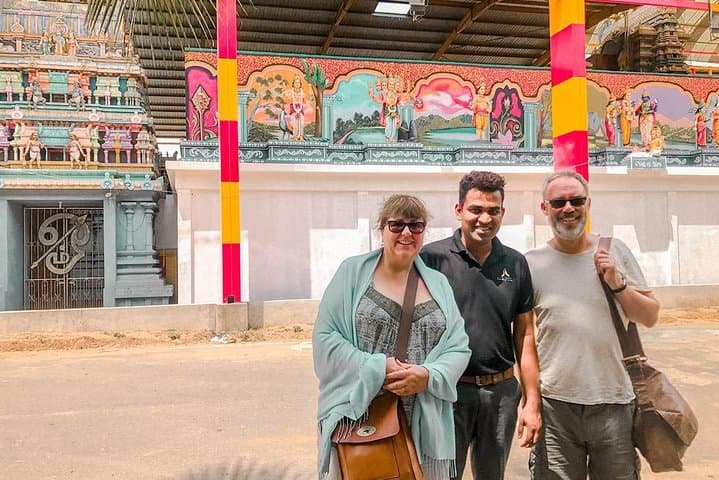
Culture and story are constant companions. The itinerary threads Hindu kovils and Buddhist stupas, spice gardens that demonstrate the real provenance of ‘cinnamon’ and ‘cardamom’, and coastal shrines tied into the island’s retelling of the Ramayana epic. Local guides balance legend with archaeology, making it clear where myth ends and material evidence begins.
Practical guidance: expect long road hours between sites — Sri Lanka is compact but roads are winding. Entrance fees and some boat trips are not included, so carry cash for tickets. Bring sturdy footwear for Sigiriya’s steep iron staircases and uneven ancient steps; a lightweight rain shell is essential in the hill country where weather can change within an hour.
Health and pace: the tour is designed to be accessible — minimal technical challenge — but you should be comfortable climbing several hundred steps and walking short trails up to 3–4 km. Safeguard against sun and insects with SPF and repellent, and hydrate often; 2 x 500ml water per person per day is provided, but carry extras for long drives.
Timing: plan this itinerary during the dry windows for each region — the central hills are best in the cooler months, while the east coast and Pigeon Island thrive in the northern dry season. Travel light, take the early mornings for temple visits and safaris when wildlife and light are best, and leave evenings for the spice markets and seaside sunsets that finish each day with a different flavor of the island.
moderate.
10 days.
Reasonable fitness for daily walks, stair climbs (up to several hundred steps) and short hikes at altitude; not technical.
No; entrance fees for sites like Sigiriya, Horton Plains and national parks are not included and must be paid on site.
Yes, but long drives and early starts may be tiring for young children; infant seats are available on request.
Expect several hours some days — Sri Lanka is compact but roads are winding; the itinerary balances driving with two- to three-hour site visits.
Yes, the guide can arrange meals to meet most dietary needs; note restrictions when booking so they can be prepared.
Sightings are likely but not guaranteed; guides maximize chances by timing safaris at dawn or dusk when leopards are most active.
The tour includes an English-speaking chauffeur guide; other languages may be available on request.
The route follows sites linked to ancient kingdoms and colonial eras — Sigiriya was a 5th-century royal capital, while Galle reflects Dutch and British maritime history.
Yala and Pigeon Island are protected but face pressures from tourism and coastal development; choose responsible operators and avoid disturbing wildlife.
Lakpura LLC operates guided outdoor trips and adventures with an emphasis on safety, stewardship, and memorable experiences.
You arrive through humid night air, the airport lights a smear on the western horizon, and by dawn the tour's rhythm is already setting in: temple bells, the low diesel grumble of the private vehicle, and a guide pointing out a roadside shrine. This 10-day Ramayana Holiday traces legends as much as landscapes — limestone caves painted with ancient murals, a lion-shaped rock fortress that still stands guard over the plains, misted tea hills that seem to breathe, and jeep tracks through scrub that might produce a leopard at any turn.
You arrive through humid night air, the airport lights a smear on the western horizon, and by dawn the tour's rhythm is already setting in: temple bells, the low diesel grumble of the private vehicle, and a guide pointing out a roadside shrine. This 10-day Ramayana Holiday traces legends as much as landscapes — limestone caves painted with ancient murals, a lion-shaped rock fortress that still stands guard over the plains, misted tea hills that seem to breathe, and jeep tracks through scrub that might produce a leopard at any turn.
The route reads like a compressed history of Sri Lanka: Dambulla’s cave temples with painted ceilings dating to the 1st century BC; the 5th-century fortress of Sigiriya, raised on a volcanic plug and engineered with terraces, moats, and water gardens; the Kandyan heartland where the Temple of the Tooth Relic anchors Buddhist ritual; and the British-era hill station of Nuwara Eliya with its cool air and colonial bungalows.
Geology shapes the trip. You climb and descend former lava flows and metamorphic outcrops — Sigiriya itself is a hardened column that resisted erosion while the surrounding plains wore away. Up in Horton Plains and Nuwara Eliya, the land shifts to montane grassland and cloud forest at roughly 1,900–2,200 meters elevation, where humidity condenses into persistent mist and Baker's Falls spits cold spray into the gullies.
Culture and story are constant companions. The itinerary threads Hindu kovils and Buddhist stupas, spice gardens that demonstrate the real provenance of ‘cinnamon’ and ‘cardamom’, and coastal shrines tied into the island’s retelling of the Ramayana epic. Local guides balance legend with archaeology, making it clear where myth ends and material evidence begins.
Practical guidance: expect long road hours between sites — Sri Lanka is compact but roads are winding. Entrance fees and some boat trips are not included, so carry cash for tickets. Bring sturdy footwear for Sigiriya’s steep iron staircases and uneven ancient steps; a lightweight rain shell is essential in the hill country where weather can change within an hour.
Health and pace: the tour is designed to be accessible — minimal technical challenge — but you should be comfortable climbing several hundred steps and walking short trails up to 3–4 km. Safeguard against sun and insects with SPF and repellent, and hydrate often; 2 x 500ml water per person per day is provided, but carry extras for long drives.
Timing: plan this itinerary during the dry windows for each region — the central hills are best in the cooler months, while the east coast and Pigeon Island thrive in the northern dry season. Travel light, take the early mornings for temple visits and safaris when wildlife and light are best, and leave evenings for the spice markets and seaside sunsets that finish each day with a different flavor of the island.