THE ADVENTURE COLLECTIVE® · Independent discovery and booking for outdoor travel

Walk Raleigh’s downtown after dark with a local guide and lantern to explore haunted houses, Civil War echoes, and colonial-era legends. This one-hour route focuses on exterior storytelling at landmark sites—arrive early and bring layers for a brisk evening.
Walk Raleigh’s downtown after dark with a local guide and lantern to explore haunted houses, Civil War echoes, and colonial-era legends. This one-hour route focuses on exterior storytelling at landmark sites—arrive early and bring layers for a brisk evening.
Dusk settles over Fayetteville Street and the granite face of the North Carolina State Capitol throws long shadows across the brick sidewalks.
Verified experiences and guided adventures in the surrounding area.
Operated by Raleigh Ghosts · Raleigh, North Carolina
Dusk settles over Fayetteville Street and the granite face of the North Carolina State Capitol throws long shadows across the brick sidewalks.
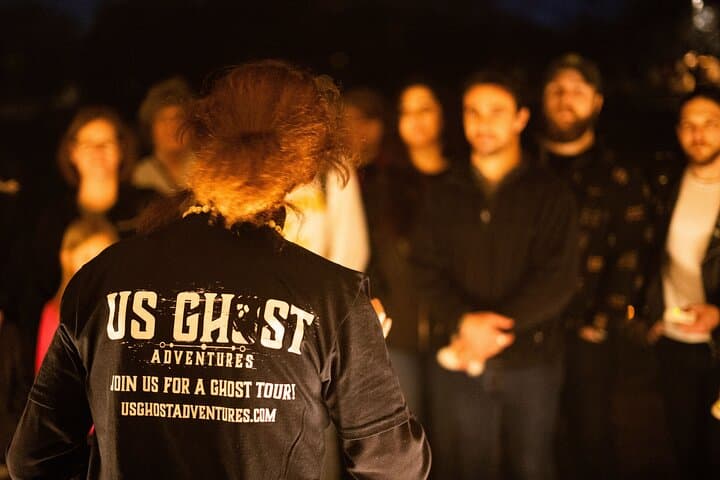
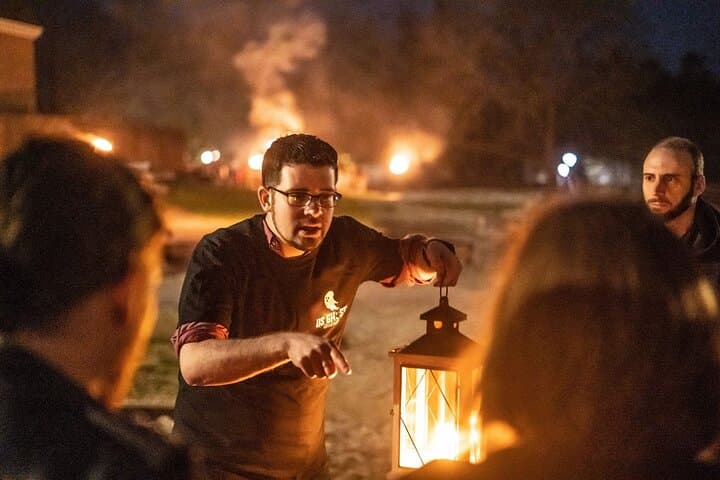
You meet the guide by the east side of the Capitol; a lantern, a practiced cadence, and the city itself—lamplight and traffic—seem to lean in. The hour-long walk threads through courthouse steps, Queen Anne porches, and shaded public squares where past conflicts and private tragedies still get spoken about in low, persistent voices.
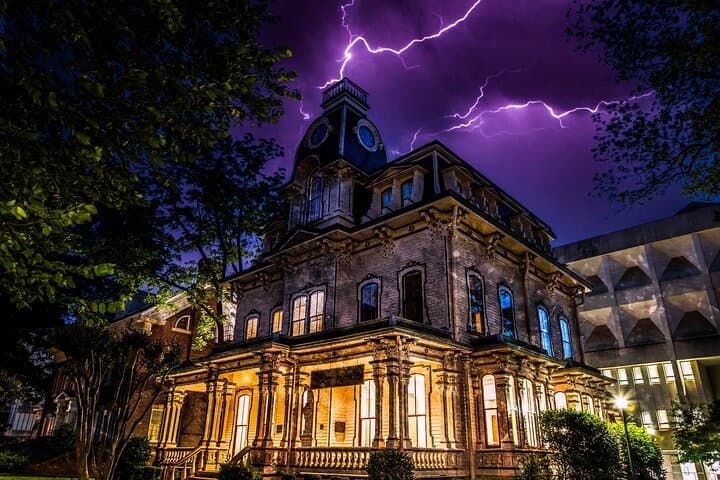
Raleigh sits on the Piedmont plateau—red clay underfoot and a grid of nineteenth-century streets—and these tours stitch together key chapters of that story: colonial ambitions and the lore of Sir Walter Raleigh, Reconstruction-era houses scarred by Civil War memories, and the ornate Executive Mansion with its political ghosts. Architecture plays lead: Haywood Hall’s stoop, the Heck-Andrews façade, and the old Briggs Hardware Building each hold local anecdotes and reported apparitions.
The experience is as much about walking history as it is about the uncanny. Expect standing-room storytelling at exterior sites, short blocks between stops, and a steady downtown pace suitable for most visitors. Practical tips: arrive 15 minutes early at East Morgan Street, wear sturdy shoes for uneven sidewalks, bring a small light for steps and alleys, and respect private property and residential quiet. Evening temperatures dip quickly—layer up.
This tour blends civic history with folklore; it’s best enjoyed with an open mind, sensible footwear, and respect for the neighborhoods you’ll pass through.
easy.
1 hour.
Suitable for most fitness levels; requires standing and walking on flat to mildly uneven surfaces for about an hour.
The meeting point and many route sections are accessible, but some sidewalks and older crossings can be uneven—contact the operator ahead to confirm accommodations.
Yes; the walk is family-friendly, though some stories may be intense for very young children—use discretion.
No—this tour focuses on exterior stops and storytelling at historic sites; private buildings are not entered.
Full refunds are generally available if you cancel at least 24 hours before the scheduled departure; check your booking confirmation for specifics.
Raleigh was laid out in the 1790s as North Carolina’s planned capital; downtown buildings reflect 19th-century growth, Civil War impacts, and Reconstruction-era changes that feed modern ghost lore.
Respect for private homes and public greens is critical—keep noise down, avoid trampling plantings, and don’t leave litter; preserving historic sites depends on visitor stewardship.
Raleigh Ghosts operates guided outdoor trips and adventures with an emphasis on safety, stewardship, and memorable experiences.
Dusk settles over Fayetteville Street and the granite face of the North Carolina State Capitol throws long shadows across the brick sidewalks.
Dusk settles over Fayetteville Street and the granite face of the North Carolina State Capitol throws long shadows across the brick sidewalks.
You meet the guide by the east side of the Capitol; a lantern, a practiced cadence, and the city itself—lamplight and traffic—seem to lean in. The hour-long walk threads through courthouse steps, Queen Anne porches, and shaded public squares where past conflicts and private tragedies still get spoken about in low, persistent voices.
Raleigh sits on the Piedmont plateau—red clay underfoot and a grid of nineteenth-century streets—and these tours stitch together key chapters of that story: colonial ambitions and the lore of Sir Walter Raleigh, Reconstruction-era houses scarred by Civil War memories, and the ornate Executive Mansion with its political ghosts. Architecture plays lead: Haywood Hall’s stoop, the Heck-Andrews façade, and the old Briggs Hardware Building each hold local anecdotes and reported apparitions.
The experience is as much about walking history as it is about the uncanny. Expect standing-room storytelling at exterior sites, short blocks between stops, and a steady downtown pace suitable for most visitors. Practical tips: arrive 15 minutes early at East Morgan Street, wear sturdy shoes for uneven sidewalks, bring a small light for steps and alleys, and respect private property and residential quiet. Evening temperatures dip quickly—layer up.
This tour blends civic history with folklore; it’s best enjoyed with an open mind, sensible footwear, and respect for the neighborhoods you’ll pass through.