THE ADVENTURE COLLECTIVE® · Independent discovery and booking for outdoor travel

Walk downtown Raleigh after dark with a historian and trace the city’s spookiest stories — from railroad tremors that birthed myths to long-closed restaurants that locals still swear are guided by former owners. Expect a 60-minute, low-impact but atmospheric tour starting at the State Capitol.
Walk downtown Raleigh after dark with a historian and trace the city’s spookiest stories — from railroad tremors that birthed myths to long-closed restaurants that locals still swear are guided by former owners. Expect a 60-minute, low-impact but atmospheric tour starting at the State Capitol.
Night settles over Fayetteville Street like a slow exhale and the stone of the Capitol seems to keep its own counsel. The Raleigh Ghost Walk starts here, in front of the World Wars memorial at 1 E. Edenton Street, where a historian-led group threads through alleys, plazas, and old storefronts to separate the haunted headlines from local folklore.
Verified experiences and guided adventures in the surrounding area.
Operated by Triangle Walking Tours · Raleigh, North Carolina
Night settles over Fayetteville Street like a slow exhale and the stone of the Capitol seems to keep its own counsel. The Raleigh Ghost Walk starts here, in front of the World Wars memorial at 1 E. Edenton Street, where a historian-led group threads through alleys, plazas, and old storefronts to separate the haunted headlines from local folklore.
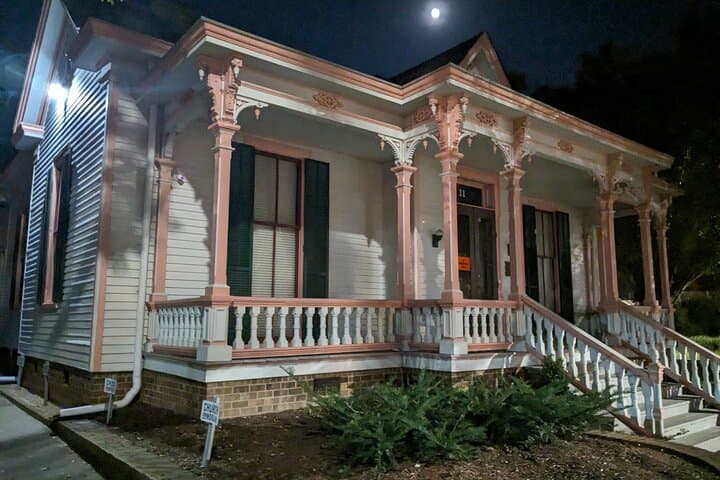
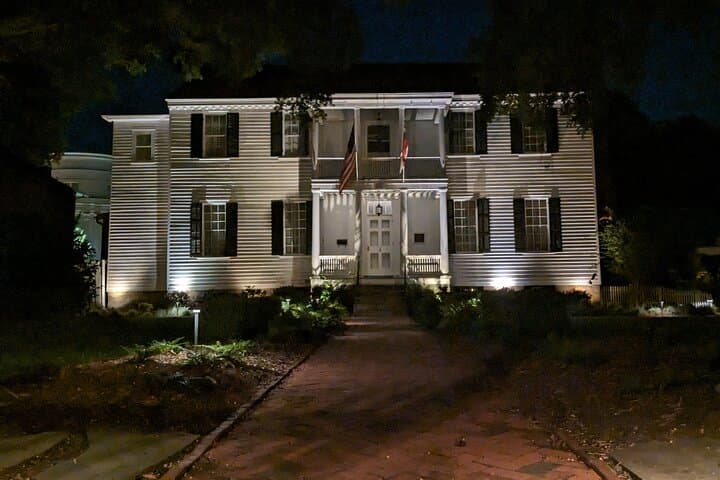
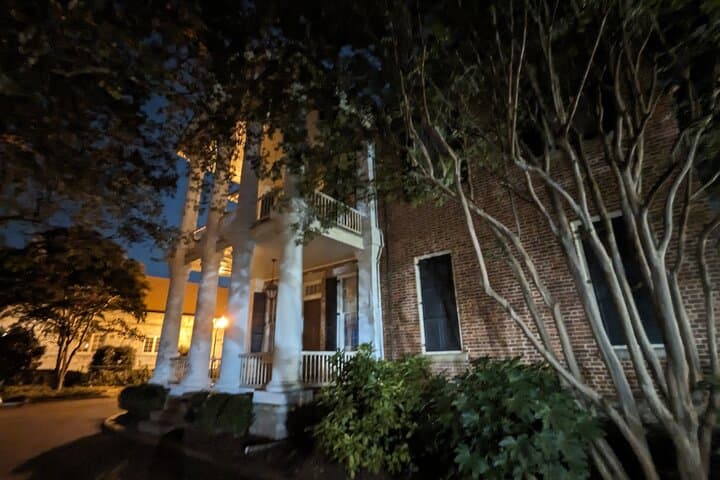
The route moves through downtown Raleigh’s 19th- and early-20th-century fabric: brick sidewalks, cast-iron façades, and the scarred rail corridors that once stitched the tobacco and textile economy together. Guides fold in civic history — the Capitol’s role in early state politics, the rise of Union Station, and how fires, floods, and fast-moving industry seeded ghost stories. Culture and memory take shape in the details: an unfinished building that keeps feeding rumors, a restaurant whose long-gone owner still haunts order books, and the rumble underfoot where tracks once carried late-night trains.
Practically, the walk is low-impact but sensory: expect dim streets, occasional loud ambient sounds, and stops at tight sidewalks. Wear stable shoes and dress for the hour after sunset; a compact flashlight or phone light is useful for darker alleys. The tour balances storytelling with documented events — you’ll hear primary-source references and the guide’s assessment of what’s likely true. Good for curious travelers who like history served with a chill, the walk is accessible to most and ends where it began so you can continue a night out in downtown Raleigh.
easy.
1 hour.
Minimal fitness required; suitable for most adults and families with strollers. Able to stand and walk on city sidewalks for an hour.
The tour lasts about 60 minutes and meets at the World Wars memorial at the State Capitol (1 E. Edenton Street).
Yes — the route is wheelchair and stroller accessible and rated easy, though sidewalks and lighting vary; contact the operator if you need special accommodations.
No — the tour stays on public sidewalks and plazas; guides tell stories about nearby buildings but do not enter private spaces.
Bring a small light, comfortable shoes, and a jacket if it’s cool; a charged phone is helpful for navigation and photos.
Raleigh’s downtown grew around the State Capitol and early rail lines; many ghost stories originate in industrial accidents, fires, and institutions that shaped the city’s growth.
Stay on sidewalks, avoid trampling plantings on memorial grounds, and keep noise low around residential blocks — preserving atmosphere and historic fabric supports future tours and neighborhood wellbeing.
Triangle Walking Tours operates guided outdoor trips and adventures with an emphasis on safety, stewardship, and memorable experiences.
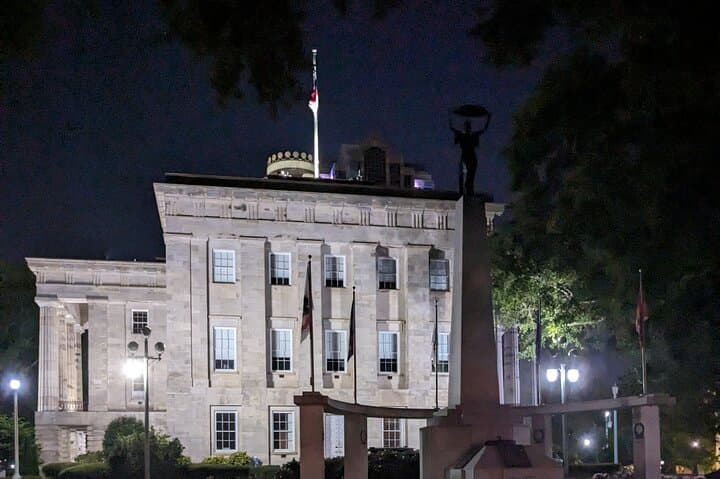
Night settles over Fayetteville Street like a slow exhale and the stone of the Capitol seems to keep its own counsel. The Raleigh Ghost Walk starts here, in front of the World Wars memorial at 1 E. Edenton Street, where a historian-led group threads through alleys, plazas, and old storefronts to separate the haunted headlines from local folklore.
Night settles over Fayetteville Street like a slow exhale and the stone of the Capitol seems to keep its own counsel. The Raleigh Ghost Walk starts here, in front of the World Wars memorial at 1 E. Edenton Street, where a historian-led group threads through alleys, plazas, and old storefronts to separate the haunted headlines from local folklore.
The route moves through downtown Raleigh’s 19th- and early-20th-century fabric: brick sidewalks, cast-iron façades, and the scarred rail corridors that once stitched the tobacco and textile economy together. Guides fold in civic history — the Capitol’s role in early state politics, the rise of Union Station, and how fires, floods, and fast-moving industry seeded ghost stories. Culture and memory take shape in the details: an unfinished building that keeps feeding rumors, a restaurant whose long-gone owner still haunts order books, and the rumble underfoot where tracks once carried late-night trains.
Practically, the walk is low-impact but sensory: expect dim streets, occasional loud ambient sounds, and stops at tight sidewalks. Wear stable shoes and dress for the hour after sunset; a compact flashlight or phone light is useful for darker alleys. The tour balances storytelling with documented events — you’ll hear primary-source references and the guide’s assessment of what’s likely true. Good for curious travelers who like history served with a chill, the walk is accessible to most and ends where it began so you can continue a night out in downtown Raleigh.