THE ADVENTURE COLLECTIVE® · Independent discovery and booking for outdoor travel

A six-day private circuit across western Rajasthan linking Jodhpur’s hilltop fort, Ranakpur’s carved Jain temple, Kumbhalgarh’s formidable walls and Udaipur’s lakes. Expect history-rich sites, moderate walking, and a short wildlife safari.
A six-day private circuit across western Rajasthan linking Jodhpur’s hilltop fort, Ranakpur’s carved Jain temple, Kumbhalgarh’s formidable walls and Udaipur’s lakes. Expect history-rich sites, moderate walking, and a short wildlife safari.
You step out under a sunboard sky in Jodhpur and the city answers with stone and color: Mehrangarh Fort looms above the bluewashed alleys while rickshaw horns thread through the markets. Over six days you move from hilltop citadels to marble temples, through scrubby Aravalli ridgelines where the wind pushes you along the fort ramparts and the forests around Kumbhalgarh hold quieter, wilder things.
Verified experiences and guided adventures in the surrounding area.
Operated by Agora Voyages Pvt. Ltd. · Jodhpur, Rajasthan
You step out under a sunboard sky in Jodhpur and the city answers with stone and color: Mehrangarh Fort looms above the bluewashed alleys while rickshaw horns thread through the markets. Over six days you move from hilltop citadels to marble temples, through scrubby Aravalli ridgelines where the wind pushes you along the fort ramparts and the forests around Kumbhalgarh hold quieter, wilder things.
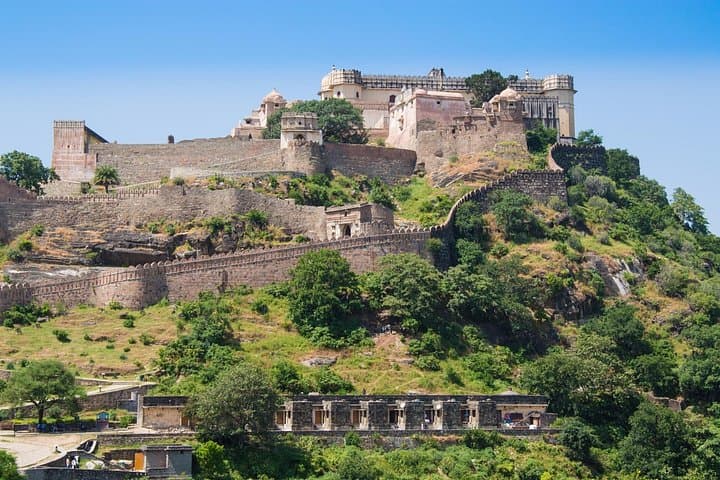
History presses close — Mehrangarh and Kumbhalgarh were defensive works of Rajput clans whose walls still shape routes and views. Ranakpur’s 15th-century Jain complex shows a different skill: marble columns carved until each pillar has its own face. Udaipur closes the loop with lakes that reflect palaces, and bazaars where artisans sell block-printed cloth and silverwork.
Geology here is older than many Indian ranges; the Aravallis are folded, ancient rock that breaks into abrupt ridgelines and flat valleys, giving forts commanding sightlines. Culturally, you’ll notice a continuity of craftsmanship, clan memory, and hospitality — village guides and temple keepers will point out small rituals and local ecology.
Practically: expect a mix of vehicle travel and moderate walking on uneven ground and stairs. Mornings are best for open-air sightseeing and safaris; afternoons get hot in summer. Carry cash for small purchases, wear sturdy shoes for forts and temple courtyards, and keep hydration close — bottled water is commonly provided in vehicles but refillable bottles and filtration tablets reduce plastic waste. Time your trip for cooler months if you prefer walking in comfort.
moderate.
6 days.
Suitable for travelers in average fitness who can manage stairs, short hikes, and multi-hour days with vehicle transfers.
October–March offers the most comfortable temperatures for walking and outdoor touring; avoid the peak summer months if you dislike high heat.
Monument entrances and local guides on sightseeing days are included as described in the itinerary, but optional activities may cost extra on site.
The tour is moderate: mostly vehicle transfers with periods of walking on uneven surfaces and stairs; no technical climbing is required.
Safaris increase the chance to see species like deer, nilgai, and occasionally leopard, but sightings cannot be guaranteed.
The forts and palaces reflect Rajput-era defensive architecture and the regional influence of the Mewar dynasty; Ranakpur’s Jain temple dates to the 15th century and showcases detailed marble carving.
Kumbhalgarh National Park is part of regional efforts to conserve dry-deciduous forest and big-cat habitat; follow park rules, avoid feeding wildlife, and minimize plastic waste.
Agora Voyages Pvt. Ltd. operates guided outdoor trips and adventures with an emphasis on safety, stewardship, and memorable experiences.
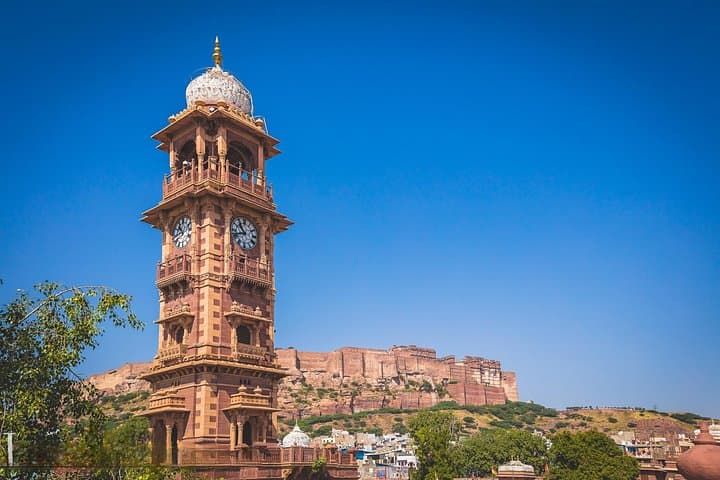
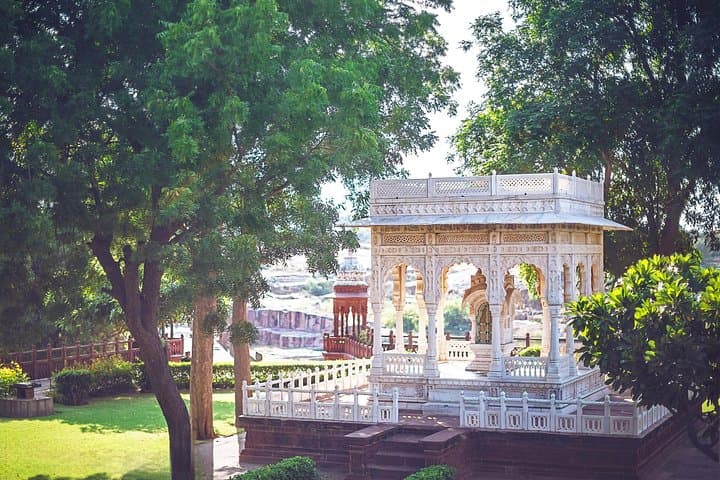
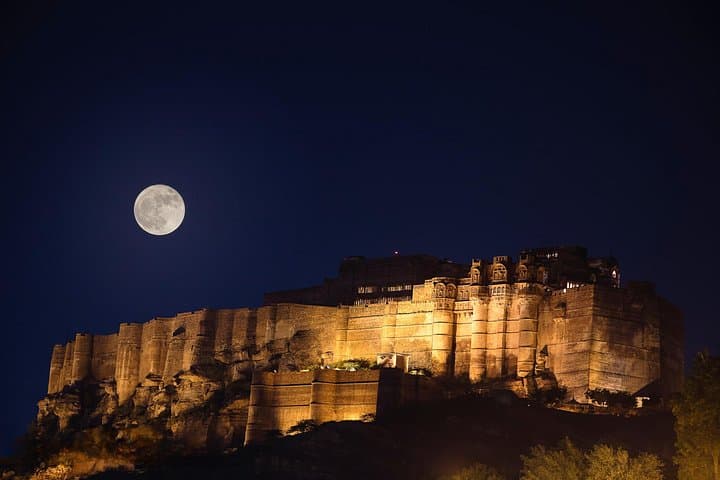
You step out under a sunboard sky in Jodhpur and the city answers with stone and color: Mehrangarh Fort looms above the bluewashed alleys while rickshaw horns thread through the markets. Over six days you move from hilltop citadels to marble temples, through scrubby Aravalli ridgelines where the wind pushes you along the fort ramparts and the forests around Kumbhalgarh hold quieter, wilder things.
You step out under a sunboard sky in Jodhpur and the city answers with stone and color: Mehrangarh Fort looms above the bluewashed alleys while rickshaw horns thread through the markets. Over six days you move from hilltop citadels to marble temples, through scrubby Aravalli ridgelines where the wind pushes you along the fort ramparts and the forests around Kumbhalgarh hold quieter, wilder things.
History presses close — Mehrangarh and Kumbhalgarh were defensive works of Rajput clans whose walls still shape routes and views. Ranakpur’s 15th-century Jain complex shows a different skill: marble columns carved until each pillar has its own face. Udaipur closes the loop with lakes that reflect palaces, and bazaars where artisans sell block-printed cloth and silverwork.
Geology here is older than many Indian ranges; the Aravallis are folded, ancient rock that breaks into abrupt ridgelines and flat valleys, giving forts commanding sightlines. Culturally, you’ll notice a continuity of craftsmanship, clan memory, and hospitality — village guides and temple keepers will point out small rituals and local ecology.
Practically: expect a mix of vehicle travel and moderate walking on uneven ground and stairs. Mornings are best for open-air sightseeing and safaris; afternoons get hot in summer. Carry cash for small purchases, wear sturdy shoes for forts and temple courtyards, and keep hydration close — bottled water is commonly provided in vehicles but refillable bottles and filtration tablets reduce plastic waste. Time your trip for cooler months if you prefer walking in comfort.