THE ADVENTURE COLLECTIVE® · Independent discovery and booking for outdoor travel

Walk built canopy bridges and forest trails at Rainmaker Park near Manuel Antonio. This guided 4-hour tour combines birdwatching, engineered suspension bridges, and a waterfall pool for a practical rainforest experience.
Walk built canopy bridges and forest trails at Rainmaker Park near Manuel Antonio. This guided 4-hour tour combines birdwatching, engineered suspension bridges, and a waterfall pool for a practical rainforest experience.
You step off the shuttle onto a damp trail and the forest answers: tree ferns lean in, humidity gathers on your skin, and a chorus of birds punctures the canopy above. The walk begins low in the understory and slowly climbs to a string of engineered suspension bridges that lean out over the canopy, offering a rare vantage on a living roof flooded with epiphytes and calling toucans.
Verified experiences and guided adventures in the surrounding area.
Operated by Costa Rica Jade Tours · Quepos, Puntarenas Province
You step off the shuttle onto a damp trail and the forest answers: tree ferns lean in, humidity gathers on your skin, and a chorus of birds punctures the canopy above. The walk begins low in the understory and slowly climbs to a string of engineered suspension bridges that lean out over the canopy, offering a rare vantage on a living roof flooded with epiphytes and calling toucans.
Rainmaker sits on rugged coastal foothills carved from uplifted volcanic ranges; soils are deep, fast-draining, and feed the clear streams that cut the park’s gullies. The area has long been part of local farm and forest dynamics — today the reserve protects one of the last intact tracts of tropical wet forest in the Central Pacific, preserving both biodiversity and critical watershed functions for nearby Quepos and Manuel Antonio.
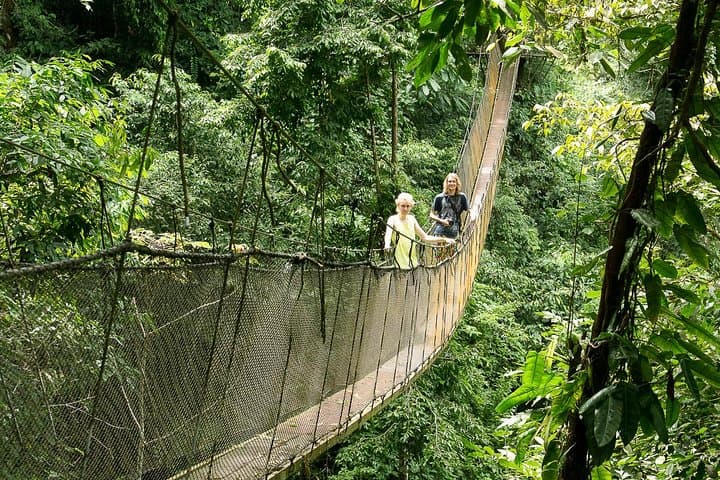
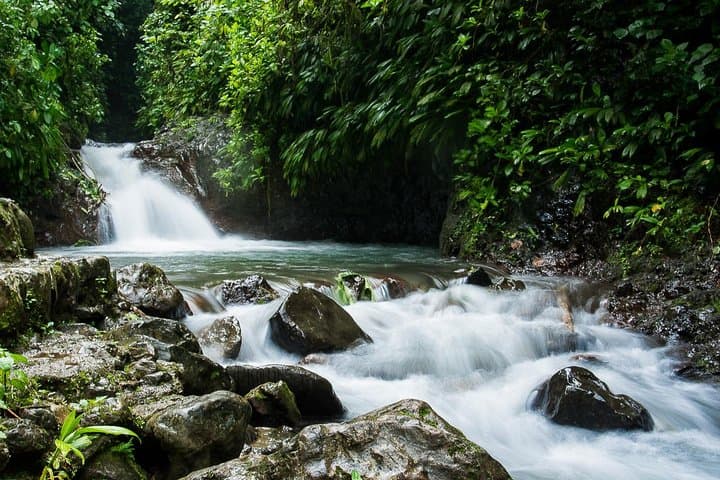
On the trail expect uneven packed-earth footpaths, occasional boardwalks, six suspension bridge sections totaling roughly 250 m of canopy walk, observation platforms, and a few short stream crossings. Along the route guides point out frogs, nesting birds, and medicinal plant uses known to local communities. A final waterfall pool provides a cooling end to the hike and a chance to rinse off the day.
Practical guidance: wear grippy trail shoes, bring a lightweight rain shell and quick-dry layers, and plan for 3–4 hours including travel and stops. Hydrate before you go, carry 1–2 liters depending on temperature, and keep a dry bag for electronics—bridges and spray make everything damp. Morning visits increase wildlife activity and reduce afternoon rain risk.
moderate.
3–4 hours.
Moderate fitness; able to walk uneven terrain and climb short inclines over several kilometers.
The scheduled duration is about 4 hours total; expect 2–3 hours of walking across trails and canopy bridges with stops for wildlife viewing.
Bridges are engineered to U.S. standards and have handrails, but children should be supervised and comfortable with heights.
Yes — the tour often ends at a natural pool suitable for a quick dip; follow guide instructions and avoid using soaps or lotions.
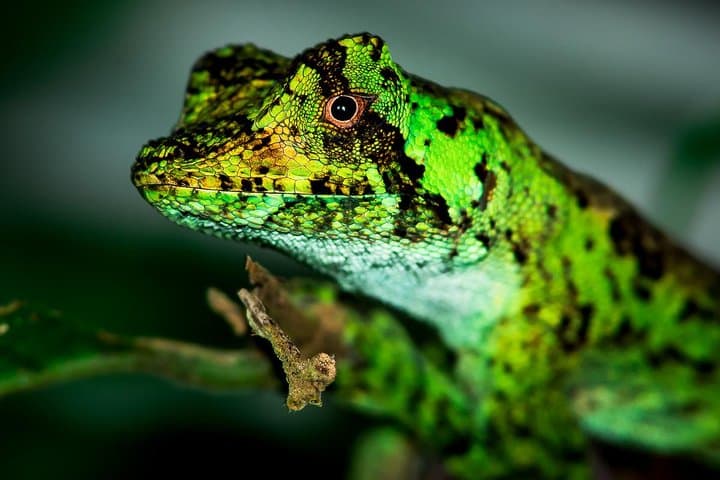
Common sightings include toucans, trogons, tree frogs, and a variety of tropical insects; sightings vary by season and time of day.
The Rainmaker Conservation Project protects remnant wet forest that once dominated the Central Pacific coast; local initiatives in the 1990s helped secure it from conversion to agriculture.
The reserve emphasizes minimal-impact infrastructure (boardwalks, limited platforms) and watershed protection; visitors are asked to stay on trails and avoid introducing contaminants to waterways.
Costa Rica Jade Tours operates guided outdoor trips and adventures with an emphasis on safety, stewardship, and memorable experiences.
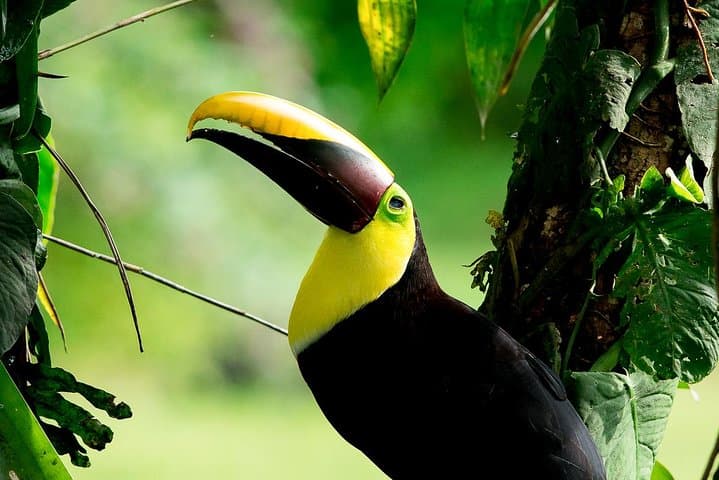
You step off the shuttle onto a damp trail and the forest answers: tree ferns lean in, humidity gathers on your skin, and a chorus of birds punctures the canopy above. The walk begins low in the understory and slowly climbs to a string of engineered suspension bridges that lean out over the canopy, offering a rare vantage on a living roof flooded with epiphytes and calling toucans.
You step off the shuttle onto a damp trail and the forest answers: tree ferns lean in, humidity gathers on your skin, and a chorus of birds punctures the canopy above. The walk begins low in the understory and slowly climbs to a string of engineered suspension bridges that lean out over the canopy, offering a rare vantage on a living roof flooded with epiphytes and calling toucans.
Rainmaker sits on rugged coastal foothills carved from uplifted volcanic ranges; soils are deep, fast-draining, and feed the clear streams that cut the park’s gullies. The area has long been part of local farm and forest dynamics — today the reserve protects one of the last intact tracts of tropical wet forest in the Central Pacific, preserving both biodiversity and critical watershed functions for nearby Quepos and Manuel Antonio.
On the trail expect uneven packed-earth footpaths, occasional boardwalks, six suspension bridge sections totaling roughly 250 m of canopy walk, observation platforms, and a few short stream crossings. Along the route guides point out frogs, nesting birds, and medicinal plant uses known to local communities. A final waterfall pool provides a cooling end to the hike and a chance to rinse off the day.
Practical guidance: wear grippy trail shoes, bring a lightweight rain shell and quick-dry layers, and plan for 3–4 hours including travel and stops. Hydrate before you go, carry 1–2 liters depending on temperature, and keep a dry bag for electronics—bridges and spray make everything damp. Morning visits increase wildlife activity and reduce afternoon rain risk.