THE ADVENTURE COLLECTIVE® · Independent discovery and booking for outdoor travel

Cross the Kelani by dugout canoe and enter the dense wet‑zone rainforest of Kitulgala for a full day of hiking and birding. This one‑day trek pairs a naturalist guide with quiet trails, riverside views and traditional Sri Lankan lunch.
Cross the Kelani by dugout canoe and enter the dense wet‑zone rainforest of Kitulgala for a full day of hiking and birding. This one‑day trek pairs a naturalist guide with quiet trails, riverside views and traditional Sri Lankan lunch.
Early light slants through towering dipterocarps as the Kelani River rumbles at your feet, daring you to cross. A dugout canoe slips from a small wharf beside the Kitulgala Resthouse, and a naturalist guides the group across to the darker side of the forest where trails narrow and the canopy tightens.
Verified experiences and guided adventures in the surrounding area.
Operated by Lakpura LLC · Kitulgala, Sabaragamuwa Province
Early light slants through towering dipterocarps as the Kelani River rumbles at your feet, daring you to cross. A dugout canoe slips from a small wharf beside the Kitulgala Resthouse, and a naturalist guides the group across to the darker side of the forest where trails narrow and the canopy tightens.
The forest around Kitulgala sits in Sri Lanka’s wet zone, carved into ancient metamorphic rock and fed by rivers that shaped deep gullies and small cascades. Colonial-era plantations and riverside logging once defined human use here; today the area is prized for endemic birds, nocturnal mammals and rare understory plants. Local villages still cook traditional Sri Lankan fare—rice, sambol and spicy curries—that you’ll often taste at lunchtime after a morning of trekking.
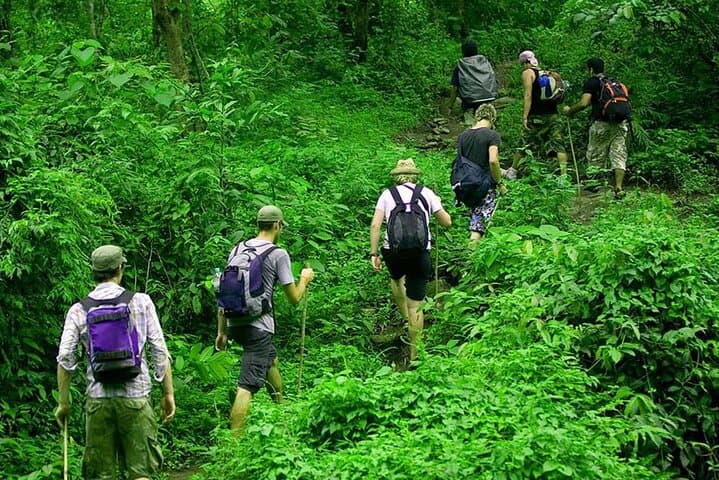
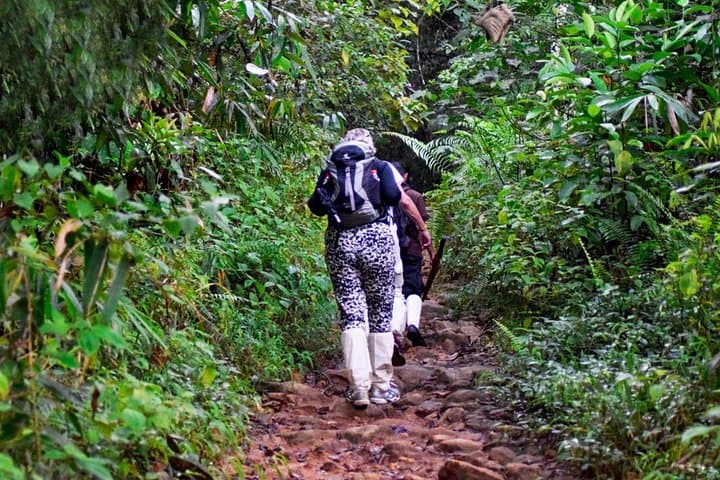
Walks follow animal-worn paths and faint logging tracks, passing limestone outcrops, moss-draped roots and narrow streams. Expect focused birding: lyrebirds and endemic bulbuls and, with patience, glimpses of purple-faced langurs or the Sri Lanka blue magpie. The river is both route and rhythm—its sound marks the hike’s pace and, at times, forces a change of plan when levels rise.
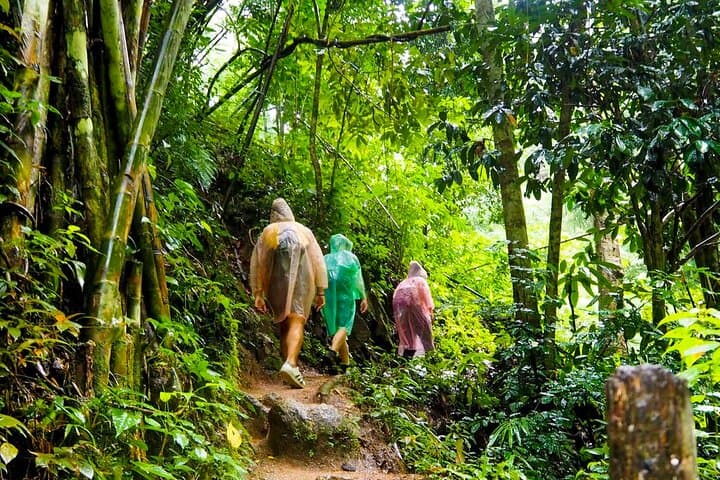
Practical guidance: wear grippy, closed-toe footwear, bring layered rain protection and ample water, and carry insect repellent and binoculars. The terrain is slippery after rain and sections require steady footing rather than technical climbing. Tours typically include a naturalist guide, canoe crossing and lunch; confirm meeting location at the Kelani riverbank and check weather-related cancellation policies. Respect trails, avoid nocturnal wildlife disturbance, and leave no trace—the rainforest here is fragile but resilient when visited responsibly.
moderate.
9 hours.
Moderate fitness—comfortable walking on uneven, sometimes steep or muddy forest trails for multiple hours.
Yes—lunch typically consists of traditional Sri Lankan dishes served back at the Resthouse after a morning on the trails.
Groups meet at the small wharf on the Kelani riverbank alongside the Kitulgala Resthouse; exact meeting details will be provided by the operator.
This hike is not recommended for travelers with serious spinal injuries and may be challenging for very young children due to uneven terrain and river crossings.
Operators may cancel or reschedule walks if river levels are high or heavy rain creates unsafe conditions—check the operator’s 24‑hour cancellation policy.
The Kelani River historically supported local timber and plantation economies; the area’s villages developed around river transport and small‑scale agriculture.
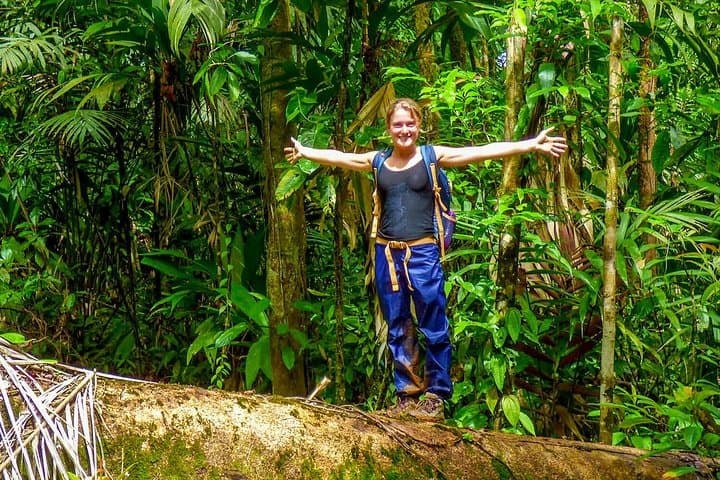
The Kitulgala rainforest is part of Sri Lanka’s fragile wet zone—stay on trails, avoid feeding wildlife and follow your guide to minimize impact.
Lakpura LLC operates guided outdoor trips and adventures with an emphasis on safety, stewardship, and memorable experiences.
Early light slants through towering dipterocarps as the Kelani River rumbles at your feet, daring you to cross. A dugout canoe slips from a small wharf beside the Kitulgala Resthouse, and a naturalist guides the group across to the darker side of the forest where trails narrow and the canopy tightens.
Early light slants through towering dipterocarps as the Kelani River rumbles at your feet, daring you to cross. A dugout canoe slips from a small wharf beside the Kitulgala Resthouse, and a naturalist guides the group across to the darker side of the forest where trails narrow and the canopy tightens.
The forest around Kitulgala sits in Sri Lanka’s wet zone, carved into ancient metamorphic rock and fed by rivers that shaped deep gullies and small cascades. Colonial-era plantations and riverside logging once defined human use here; today the area is prized for endemic birds, nocturnal mammals and rare understory plants. Local villages still cook traditional Sri Lankan fare—rice, sambol and spicy curries—that you’ll often taste at lunchtime after a morning of trekking.
Walks follow animal-worn paths and faint logging tracks, passing limestone outcrops, moss-draped roots and narrow streams. Expect focused birding: lyrebirds and endemic bulbuls and, with patience, glimpses of purple-faced langurs or the Sri Lanka blue magpie. The river is both route and rhythm—its sound marks the hike’s pace and, at times, forces a change of plan when levels rise.
Practical guidance: wear grippy, closed-toe footwear, bring layered rain protection and ample water, and carry insect repellent and binoculars. The terrain is slippery after rain and sections require steady footing rather than technical climbing. Tours typically include a naturalist guide, canoe crossing and lunch; confirm meeting location at the Kelani riverbank and check weather-related cancellation policies. Respect trails, avoid nocturnal wildlife disturbance, and leave no trace—the rainforest here is fragile but resilient when visited responsibly.