THE ADVENTURE COLLECTIVE® · Independent discovery and booking for outdoor travel

A focused two-hour guided walk near La Fortuna that specializes in sloth encounters, including baby sloths on private reserve land. Learn natural history from bilingual guides while following easy rainforest trails tailored for observation.
A focused two-hour guided walk near La Fortuna that specializes in sloth encounters, including baby sloths on private reserve land. Learn natural history from bilingual guides while following easy rainforest trails tailored for observation.
The trail opens like a slow curtain: humid air, a chorus of birds, and the deliberate hanging shapes of sloths high in the canopy. Guides lead a compact group along soft mud tracks, flashlights in hand when light thins, stopping to point out sloth faces that peer down with the same calm curiosity they bring to everything.
Verified experiences and guided adventures in the surrounding area.
Operated by Dream Tree XP · La Fortuna, Alajuela
The trail opens like a slow curtain: humid air, a chorus of birds, and the deliberate hanging shapes of sloths high in the canopy. Guides lead a compact group along soft mud tracks, flashlights in hand when light thins, stopping to point out sloth faces that peer down with the same calm curiosity they bring to everything.
This corner of Costa Rica sits on volcanic soils left by the Arenal system; the rich, well-drained loam feeds a dense mix of fig, almond and ceiba trees that sloths favor. Human history here is short against geological time — ranches and smallholdings gave way to conservation reserves in the late 20th century, and local guides often combine scientific training with decades of lived knowledge of the forest.
Expect a close lesson in sloth biology: slow digestion, algae in fur, and how mothers carry babies for months. Cultural context threads through the tour — guides often share how community-run reserves balance tourism and habitat protection.
Practical guidance: trails are gentle but muddy; good traction matters. Mornings offer the best light and higher odds of sightings, though a patient walk at dusk can reveal nocturnal movement. Photography is welcomed but keep noise low and flash off; sloths are sensitive to disturbance. Bring water, insect repellent and a compact rain layer — the forest can shift from sun to shower within minutes.
This two-hour experience is paced for observation rather than distance. It’s a quiet, deliberate encounter where nature feels like a careful host, inviting you to slow down and watch.
easy.
2 hours.
Suitable for most fitness levels; involves easy walking on uneven forest trails, standing and short viewing stops.
The tour is about two hours with short, slow-paced walks totaling less than 2 km; stops for observation are frequent.
Yes; the tour is family-friendly but infants should be carried and children supervised — ask about age policies when booking.
Yes — bilingual naturalist guides supply flashlights and interpretive information; confirm language needs at booking.
No — handling is prohibited to protect animal welfare and reduce stress; you’ll get close views while guides enforce respectful distance.
Local land-use shifted from cattle and small farms to conservation reserves in the late 20th century, driven by growing eco-tourism around Arenal.
Tours support private reserves that prioritize habitat protection; stay on trails, avoid flash photography and follow guide instructions to minimize disturbance.
Dream Tree XP operates guided outdoor trips and adventures with an emphasis on safety, stewardship, and memorable experiences.
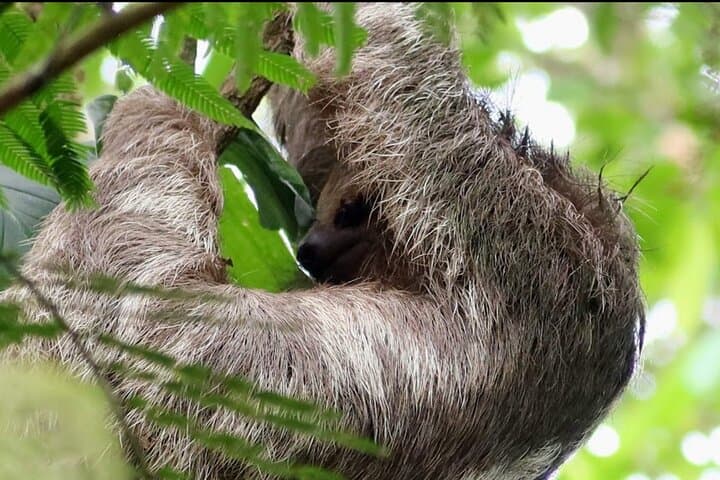
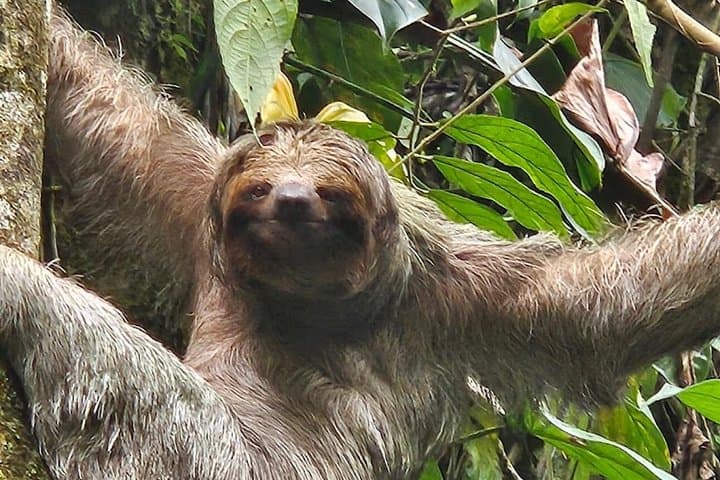

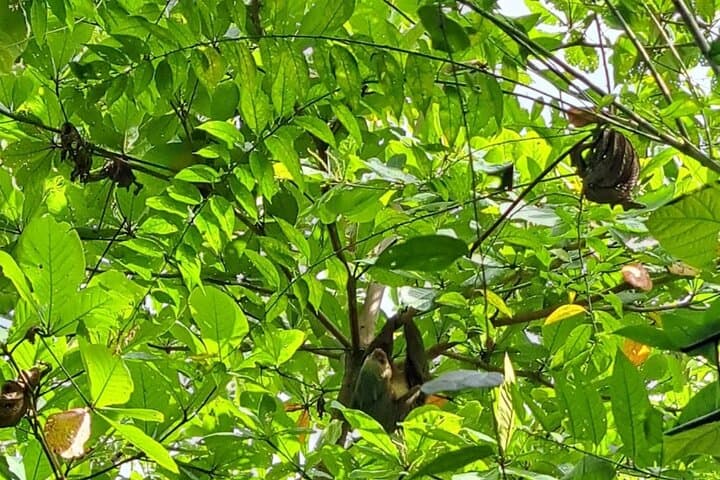
The trail opens like a slow curtain: humid air, a chorus of birds, and the deliberate hanging shapes of sloths high in the canopy. Guides lead a compact group along soft mud tracks, flashlights in hand when light thins, stopping to point out sloth faces that peer down with the same calm curiosity they bring to everything.
The trail opens like a slow curtain: humid air, a chorus of birds, and the deliberate hanging shapes of sloths high in the canopy. Guides lead a compact group along soft mud tracks, flashlights in hand when light thins, stopping to point out sloth faces that peer down with the same calm curiosity they bring to everything.
This corner of Costa Rica sits on volcanic soils left by the Arenal system; the rich, well-drained loam feeds a dense mix of fig, almond and ceiba trees that sloths favor. Human history here is short against geological time — ranches and smallholdings gave way to conservation reserves in the late 20th century, and local guides often combine scientific training with decades of lived knowledge of the forest.
Expect a close lesson in sloth biology: slow digestion, algae in fur, and how mothers carry babies for months. Cultural context threads through the tour — guides often share how community-run reserves balance tourism and habitat protection.
Practical guidance: trails are gentle but muddy; good traction matters. Mornings offer the best light and higher odds of sightings, though a patient walk at dusk can reveal nocturnal movement. Photography is welcomed but keep noise low and flash off; sloths are sensitive to disturbance. Bring water, insect repellent and a compact rain layer — the forest can shift from sun to shower within minutes.
This two-hour experience is paced for observation rather than distance. It’s a quiet, deliberate encounter where nature feels like a careful host, inviting you to slow down and watch.