THE ADVENTURE COLLECTIVE® · Independent discovery and booking for outdoor travel

A pre-dawn drive from Cusco leads to a high-altitude hike and a sudden reveal: Vinicunca’s striped slopes. This one-day trek blends raw geology, Andean culture and practical logistics — ideal if you acclimatize first.
A pre-dawn drive from Cusco leads to a high-altitude hike and a sudden reveal: Vinicunca’s striped slopes. This one-day trek blends raw geology, Andean culture and practical logistics — ideal if you acclimatize first.
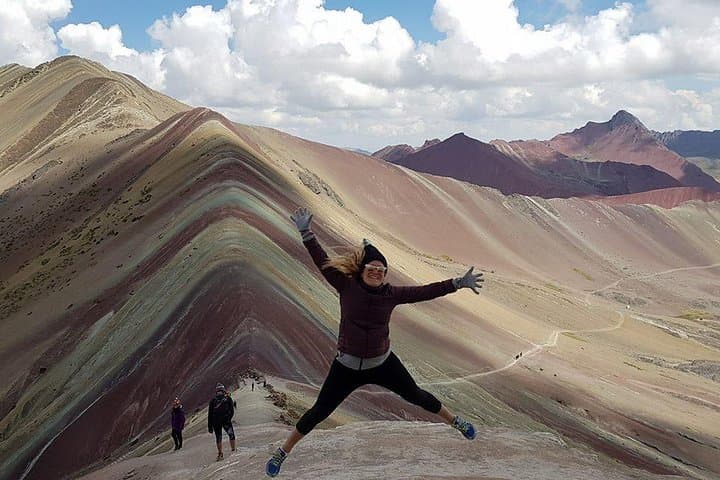
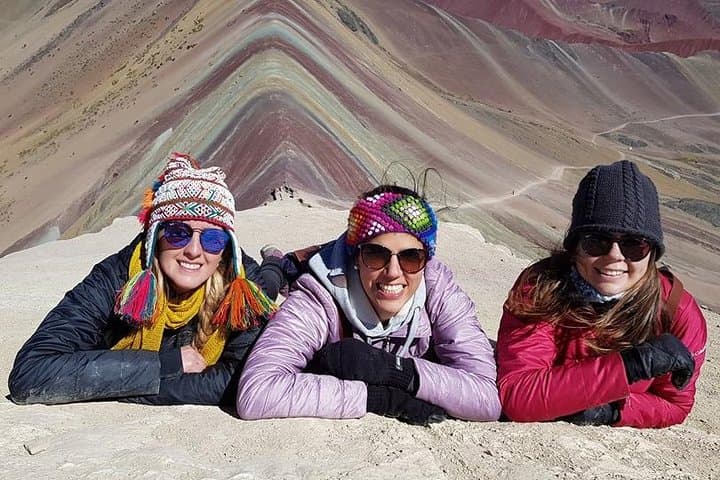
Dawn pulls the bus out of Cusco before the city wakes; low clouds peel off the terraces as the road climbs toward puna grasslands. By mid-morning the air is thin and cold, and the first glimpse of banded ochre, rust, turquoise and cream appears along a wind-scoured ridge — Vinicunca’s colors stacked like geological pages.
Verified experiences and guided adventures in the surrounding area.
Operated by Santu tour Operador · Cusco, Cusco
Dawn pulls the bus out of Cusco before the city wakes; low clouds peel off the terraces as the road climbs toward puna grasslands. By mid-morning the air is thin and cold, and the first glimpse of banded ochre, rust, turquoise and cream appears along a wind-scoured ridge — Vinicunca’s colors stacked like geological pages.
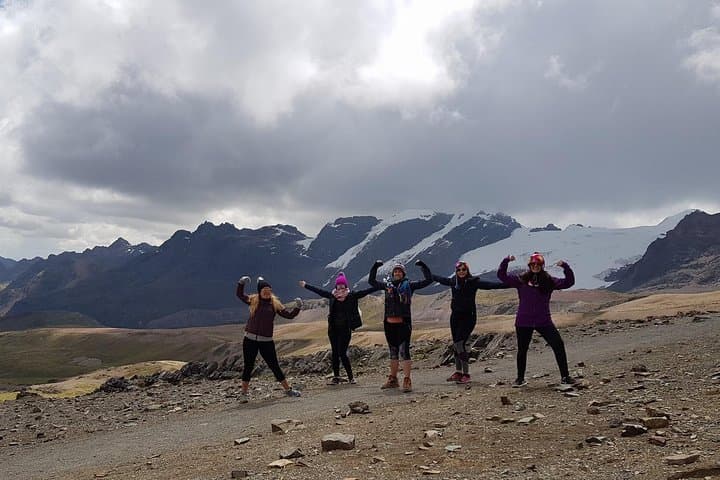
The color stripes are not paint but iron oxides, copper sulfates and other mineral layers exposed by glacial retreat and erosion. The mountain sits on the eastern flank of the Ausangate massif, an area long used by Quechua shepherds who still move llamas and alpacas between seasonal pastures. The trail also crosses puna ecosystems and offers views of snow-capped peaks that shaped Andean culture for millennia.
Practically: most operators depart Cusco around 4:00 a.m. for the 3.5–4.5 hour round-trip hike (trail distance ~4.5 km) to the viewpoint at ~5,020–5,080 m. Expect steep sections, strong sun and thin air; many groups include oxygen and a packed lunch at a local restaurant after the descent. Horses are available for those who need assistance.
Plan for altitude first: spend at least 48 hours in Cusco or a similar elevation to acclimatize. Layer for rapid temperature swings, carry 2–3 liters of water, and protect against sun and wind. Go early in the dry season (May–September) for clearer views, and tread only on designated paths to avoid accelerating erosion. With preparation, the one-day trek delivers an unforgettable high-Andean landscape and a clear window into the region’s geology and living mountain culture.
challenging.
10–14 hours (total, including transport).
Good cardiovascular fitness and basic hiking endurance; acclimatization is essential due to rapid ascent to >5,000 m.
The round-trip trekking portion is roughly 4.5 km and takes about 3.5 hours; the viewpoint lies around 5,020–5,080 meters above sea level.
Yes — spend 48+ hours in Cusco or similar altitude beforehand; symptoms of acute mountain sickness are common without acclimatization.
Yes. Horses are available to rent on-site for parts of the ascent, but availability and quality vary; riders should be comfortable on uneven terrain.
The dry season (May–September) offers the clearest views and firmer trail conditions; the wet season brings mud, low clouds and higher risk of cancellation.
Vinicunca’s bands formed over millions of years as sediments and minerals were deposited and later uplifted by Andean tectonics; local Quechua communities have long used the high pastures around Ausangate.
High foot traffic accelerates erosion and damages fragile soils; follow marked trails, avoid stepping on vegetation and support operators who practice leave-no-trace principles.
Santu tour Operador operates guided outdoor trips and adventures with an emphasis on safety, stewardship, and memorable experiences.
Dawn pulls the bus out of Cusco before the city wakes; low clouds peel off the terraces as the road climbs toward puna grasslands. By mid-morning the air is thin and cold, and the first glimpse of banded ochre, rust, turquoise and cream appears along a wind-scoured ridge — Vinicunca’s colors stacked like geological pages.
Dawn pulls the bus out of Cusco before the city wakes; low clouds peel off the terraces as the road climbs toward puna grasslands. By mid-morning the air is thin and cold, and the first glimpse of banded ochre, rust, turquoise and cream appears along a wind-scoured ridge — Vinicunca’s colors stacked like geological pages.
The color stripes are not paint but iron oxides, copper sulfates and other mineral layers exposed by glacial retreat and erosion. The mountain sits on the eastern flank of the Ausangate massif, an area long used by Quechua shepherds who still move llamas and alpacas between seasonal pastures. The trail also crosses puna ecosystems and offers views of snow-capped peaks that shaped Andean culture for millennia.
Practically: most operators depart Cusco around 4:00 a.m. for the 3.5–4.5 hour round-trip hike (trail distance ~4.5 km) to the viewpoint at ~5,020–5,080 m. Expect steep sections, strong sun and thin air; many groups include oxygen and a packed lunch at a local restaurant after the descent. Horses are available for those who need assistance.
Plan for altitude first: spend at least 48 hours in Cusco or a similar elevation to acclimatize. Layer for rapid temperature swings, carry 2–3 liters of water, and protect against sun and wind. Go early in the dry season (May–September) for clearer views, and tread only on designated paths to avoid accelerating erosion. With preparation, the one-day trek delivers an unforgettable high-Andean landscape and a clear window into the region’s geology and living mountain culture.