THE ADVENTURE COLLECTIVE® · Independent discovery and booking for outdoor travel

A full‑day private trek from Cusco to Vinicunca (Rainbow Mountain) climbs into thin air and mineral-streaked slopes for one of Peru’s most photogenic highland vistas. Learn what to expect from altitude, trail conditions, and local culture before you go.
A full‑day private trek from Cusco to Vinicunca (Rainbow Mountain) climbs into thin air and mineral-streaked slopes for one of Peru’s most photogenic highland vistas. Learn what to expect from altitude, trail conditions, and local culture before you go.
Dawn breaks over the high puna and the trail to Vinicunca glows with a thin, cold light. The road from Cusco threads through inter-Andean valleys, and as you climb above 4,200 m the air thins and the colors sharpen; on arrival the mountain seems to shift hue with every step and gust, daring you to keep climbing for the full panorama.
Verified experiences and guided adventures in the surrounding area.
Operated by Peru Majestic Travel · Cusco, Cusco
Dawn breaks over the high puna and the trail to Vinicunca glows with a thin, cold light. The road from Cusco threads through inter-Andean valleys, and as you climb above 4,200 m the air thins and the colors sharpen; on arrival the mountain seems to shift hue with every step and gust, daring you to keep climbing for the full panorama.
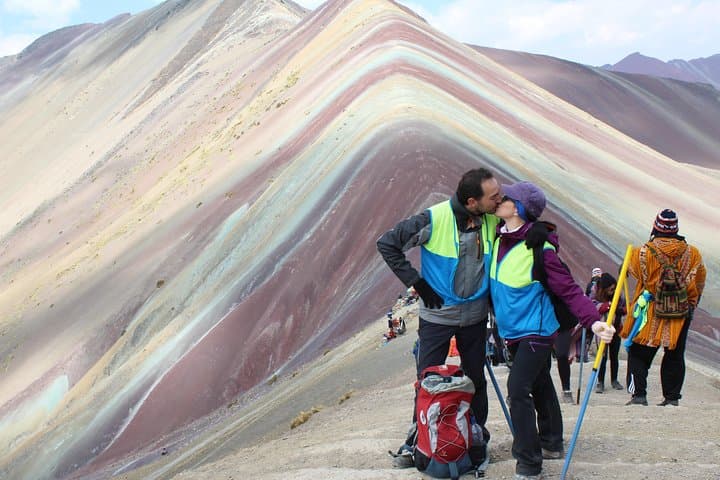
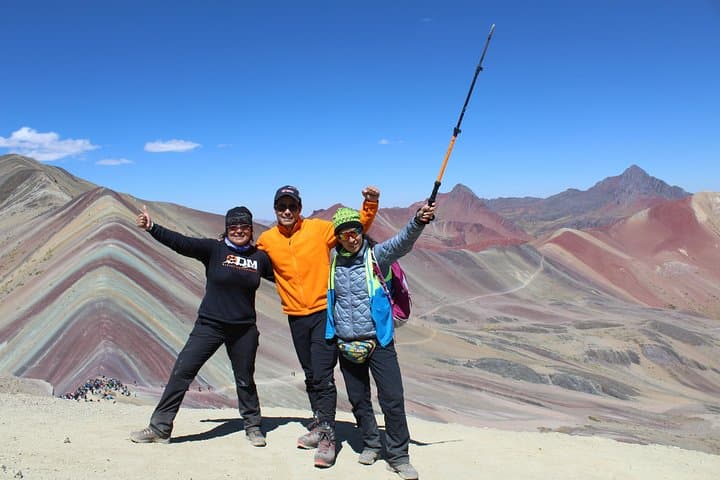
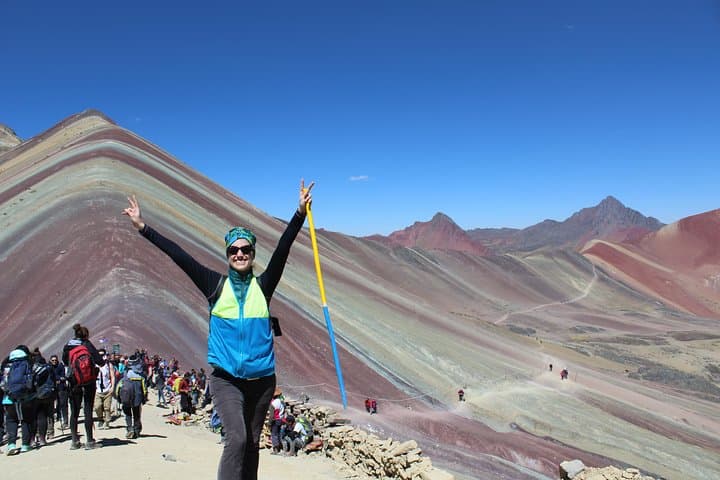
Geology here is literal color — mineral-laden strata uplifted and exposed by glacial and tectonic forces next to the hulking massif of Ausangate, an Andean giant that locals revere. The landscape carries Quechua culture in its herds of llamas and alpacas and in the highland hamlets that still practice traditional weaving and herding. Expect puna grasslands, patches of cold, skeletal wetlands, and the occasional adobe hamlet holding centuries-old rhythms.
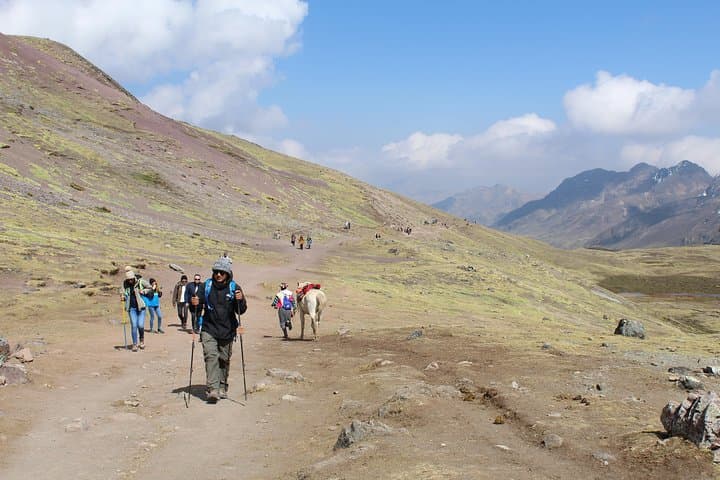
Practically: this is a long, high-altitude day trek. The round-trip approach includes bumpy private transport, a 1–3 hour uphill hike at altitude (depending on fitness and pace), and time for photos and acclimatization. Weather changes fast — sun, wind, and snow all possible in one day. Hydrate well, pace your ascent, and bring layered clothing, sun protection, and snacks. Horses are sometimes available for part of the climb for those who need it, but the final section is steep and best done on foot. Guides handle permits and logistics; a private tour increases flexibility for timing to be among the first at the viewpoint. If you’ve acclimatized in Cusco, the visuals and the cultural encounters make the effort worthwhile.
challenging.
12–13 hours.
Good cardiovascular fitness recommended and prior acclimatization to 3,000+ m; expect steep sustained sections.
The viewpoint sits above 5,000 m (approx. 16,400 ft). Altitude can affect anyone—acclimatize in Cusco, avoid alcohol before the trek, and descend if severe symptoms appear.
Yes, local services often rent horses for part of the ascent, but availability depends on conditions and physical ability; the steep final section usually requires walking.
Rainy months (roughly November–March) bring mud and reduced visibility; landslips are possible, so tours may be canceled in bad weather for safety.
Typical private tours include the Rainbow Mountain entrance fee and transport; confirm with your operator before booking.
Vinicunca’s colors were exposed by glacial retreat and erosion; the area sits within Quechua-speaking communities that have herded these highlands for centuries.
Increased visitation stresses fragile puna soils and water sources; follow marked trails, avoid leaving waste, and support operators who invest in local stewardship.
Peru Majestic Travel operates guided outdoor trips and adventures with an emphasis on safety, stewardship, and memorable experiences.
Dawn breaks over the high puna and the trail to Vinicunca glows with a thin, cold light. The road from Cusco threads through inter-Andean valleys, and as you climb above 4,200 m the air thins and the colors sharpen; on arrival the mountain seems to shift hue with every step and gust, daring you to keep climbing for the full panorama.
Dawn breaks over the high puna and the trail to Vinicunca glows with a thin, cold light. The road from Cusco threads through inter-Andean valleys, and as you climb above 4,200 m the air thins and the colors sharpen; on arrival the mountain seems to shift hue with every step and gust, daring you to keep climbing for the full panorama.
Geology here is literal color — mineral-laden strata uplifted and exposed by glacial and tectonic forces next to the hulking massif of Ausangate, an Andean giant that locals revere. The landscape carries Quechua culture in its herds of llamas and alpacas and in the highland hamlets that still practice traditional weaving and herding. Expect puna grasslands, patches of cold, skeletal wetlands, and the occasional adobe hamlet holding centuries-old rhythms.
Practically: this is a long, high-altitude day trek. The round-trip approach includes bumpy private transport, a 1–3 hour uphill hike at altitude (depending on fitness and pace), and time for photos and acclimatization. Weather changes fast — sun, wind, and snow all possible in one day. Hydrate well, pace your ascent, and bring layered clothing, sun protection, and snacks. Horses are sometimes available for part of the climb for those who need it, but the final section is steep and best done on foot. Guides handle permits and logistics; a private tour increases flexibility for timing to be among the first at the viewpoint. If you’ve acclimatized in Cusco, the visuals and the cultural encounters make the effort worthwhile.