THE ADVENTURE COLLECTIVE® · Independent discovery and booking for outdoor travel

A full-day, high-altitude trek to Vinicunca (Rainbow Mountain) from Cusco that blends dramatic mineral bands, Quechua highland culture and practical logistics for acclimatized hikers. Plan for steep climbs, loose terrain and strong sun at 5,200 m.
A full-day, high-altitude trek to Vinicunca (Rainbow Mountain) from Cusco that blends dramatic mineral bands, Quechua highland culture and practical logistics for acclimatized hikers. Plan for steep climbs, loose terrain and strong sun at 5,200 m.
A highland wind meets you before the first step: thin, icy air that makes each inhale feel deliberate. By dawn the van eases onto a dirt road through puna grasslands; after a breakfast stop in Chillihuani guides walk groups to a car park roughly 4,400–4,800 m above sea level. From there the trail climbs for about 1.5 hours to the viewpoint at Vinicunca (≈5,200 m), where striated mineral bands ripple across a steep ridge and the Andes stretch like an uncompromising map.
Verified experiences and guided adventures in the surrounding area.
Operated by Mi Guia Machupicchu · Cusco, Cusco Region
A highland wind meets you before the first step: thin, icy air that makes each inhale feel deliberate. By dawn the van eases onto a dirt road through puna grasslands; after a breakfast stop in Chillihuani guides walk groups to a car park roughly 4,400–4,800 m above sea level. From there the trail climbs for about 1.5 hours to the viewpoint at Vinicunca (≈5,200 m), where striated mineral bands ripple across a steep ridge and the Andes stretch like an uncompromising map.
The colors come from layered sedimentary deposits uplifted by the same tectonic forces that raised the Andes, with iron and copper oxides producing reds, greens and yellows. The area sits within traditional Quechua grazing territory; shepherds and their llamas remain a common cultural note on the approach. Geologically recent glacial action scoured the slopes, leaving loose gravel and compacted moraines underfoot.
Practical guidance matters more than romance at this altitude. Expect 3–4 hours of hiking total (1.5 hours up, similar back), with an overall tour day near 10 hours including round-trip driving from Cusco (about 8 hours of driving total with stops). Terrain alternates packed dirt, loose scree and steep switchbacks; trekking poles or a hired horse reduce strain. Acclimatize in Cusco for 48–72 hours, hydrate deliberately, and plan an early pickup to avoid crowds and afternoon weather. Sturdy waterproof boots, layered clothing, sun protection and small, frequent snacks will keep energy steady. Guides generally include pickup, breakfast, and lunch, and operate on a private-transport model that returns to Cusco the same day.
challenging.
10 hours (full-day).
Good aerobic fitness and basic hiking stamina; prior high-altitude exposure recommended.
The ascent is typically about 1–1.5 hours one-way from the car park, with total hiking time around 3–4 hours including return and short stops.
Yes—horses are offered near the trailhead and usually reduce the ascent to about an hour; riders should be cautious of steep sections and have some riding ability.
Vinicunca sits near 5,200 m; symptoms (headache, nausea, dizziness) are common without acclimatization—spend 48–72 hours in Cusco, hydrate, and descend immediately if severe symptoms appear.
Most full-day tours include private transport, breakfast and lunch; confirm pick-up time and exact inclusions with your operator before booking.
The ridge is part of Andean uplift and glacial reworking; local Quechua communities have grazed the puna for centuries and manage seasonal pasturelands.
High visitor numbers strain fragile puna soils and water; stick to trails, avoid litter, and support local guides who practice low-impact tourism.
Mi Guia Machupicchu operates guided outdoor trips and adventures with an emphasis on safety, stewardship, and memorable experiences.
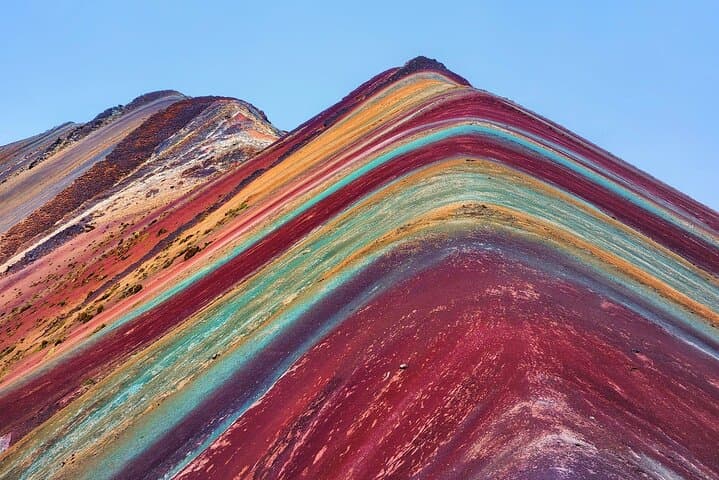
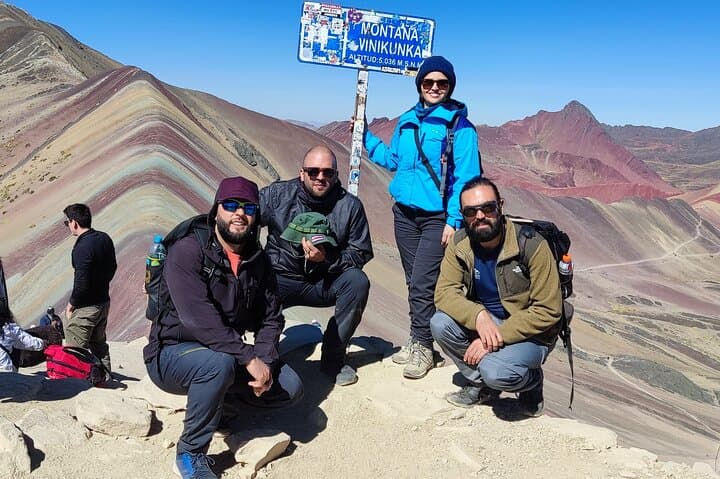
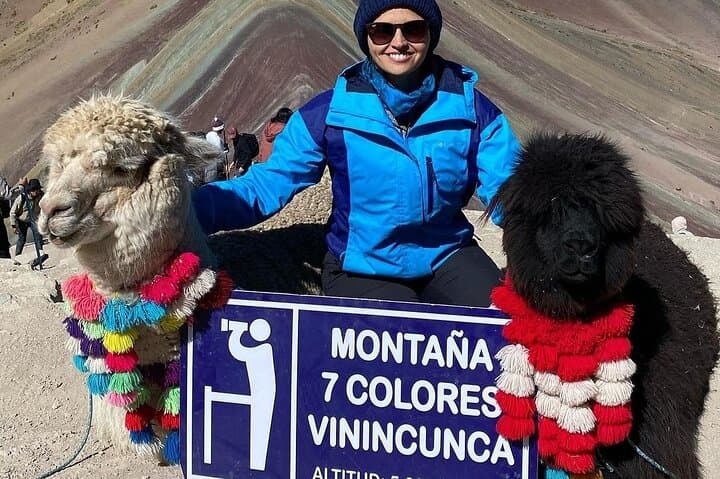
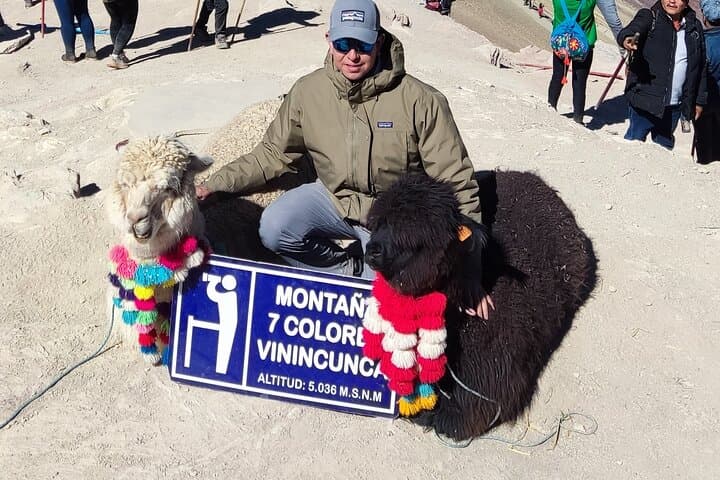
A highland wind meets you before the first step: thin, icy air that makes each inhale feel deliberate. By dawn the van eases onto a dirt road through puna grasslands; after a breakfast stop in Chillihuani guides walk groups to a car park roughly 4,400–4,800 m above sea level. From there the trail climbs for about 1.5 hours to the viewpoint at Vinicunca (≈5,200 m), where striated mineral bands ripple across a steep ridge and the Andes stretch like an uncompromising map.
A highland wind meets you before the first step: thin, icy air that makes each inhale feel deliberate. By dawn the van eases onto a dirt road through puna grasslands; after a breakfast stop in Chillihuani guides walk groups to a car park roughly 4,400–4,800 m above sea level. From there the trail climbs for about 1.5 hours to the viewpoint at Vinicunca (≈5,200 m), where striated mineral bands ripple across a steep ridge and the Andes stretch like an uncompromising map.
The colors come from layered sedimentary deposits uplifted by the same tectonic forces that raised the Andes, with iron and copper oxides producing reds, greens and yellows. The area sits within traditional Quechua grazing territory; shepherds and their llamas remain a common cultural note on the approach. Geologically recent glacial action scoured the slopes, leaving loose gravel and compacted moraines underfoot.
Practical guidance matters more than romance at this altitude. Expect 3–4 hours of hiking total (1.5 hours up, similar back), with an overall tour day near 10 hours including round-trip driving from Cusco (about 8 hours of driving total with stops). Terrain alternates packed dirt, loose scree and steep switchbacks; trekking poles or a hired horse reduce strain. Acclimatize in Cusco for 48–72 hours, hydrate deliberately, and plan an early pickup to avoid crowds and afternoon weather. Sturdy waterproof boots, layered clothing, sun protection and small, frequent snacks will keep energy steady. Guides generally include pickup, breakfast, and lunch, and operate on a private-transport model that returns to Cusco the same day.