THE ADVENTURE COLLECTIVE® · Independent discovery and booking for outdoor travel

A full-day high-altitude trek from Cusco to Vinicunca (Rainbow Mountain). Short but steep trail, dramatic mineral stripes and strong winds—best attempted after acclimatization and during the dry season.
A full-day high-altitude trek from Cusco to Vinicunca (Rainbow Mountain). Short but steep trail, dramatic mineral stripes and strong winds—best attempted after acclimatization and during the dry season.
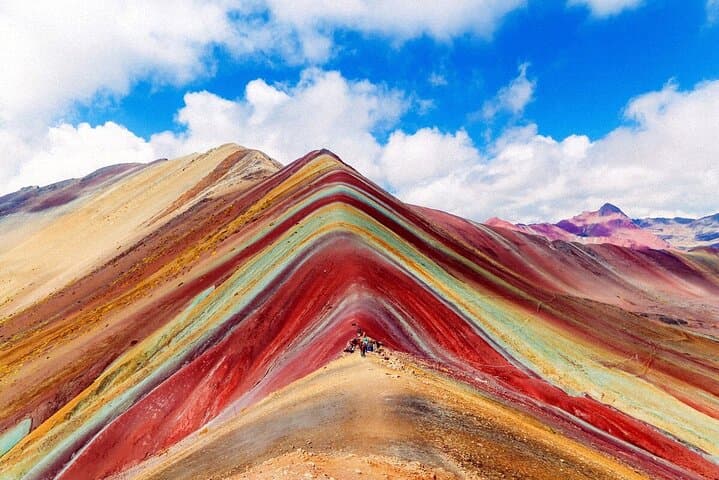
A cold morning light slices the high Andean air as a convoy winds away from Cusco toward the high puna. By mid-morning the road opens to red and ochre slopes; the trailhead sits thin and bright at high altitude. The climb is short and sharp—two kilometers of switchbacks and tussock grass that push you toward a ridge where the mountain’s bands of iron-rich sediments suddenly bloom into color.
Verified experiences and guided adventures in the surrounding area.
Operated by Rap Travel Peru · Cusipata, Cusco
A cold morning light slices the high Andean air as a convoy winds away from Cusco toward the high puna. By mid-morning the road opens to red and ochre slopes; the trailhead sits thin and bright at high altitude. The climb is short and sharp—two kilometers of switchbacks and tussock grass that push you toward a ridge where the mountain’s bands of iron-rich sediments suddenly bloom into color.
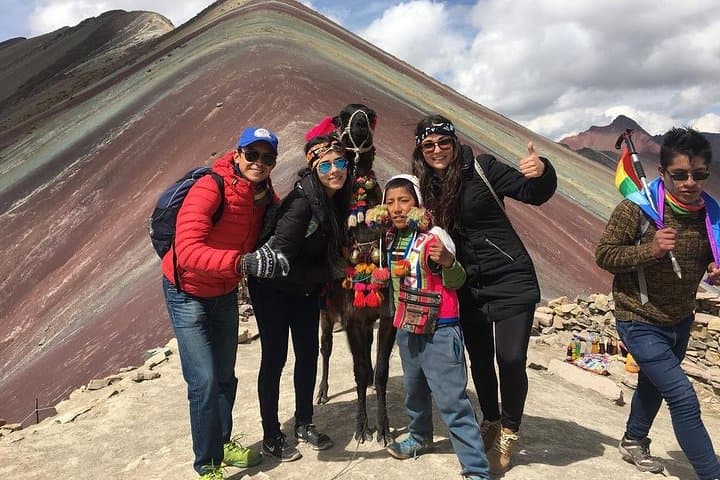
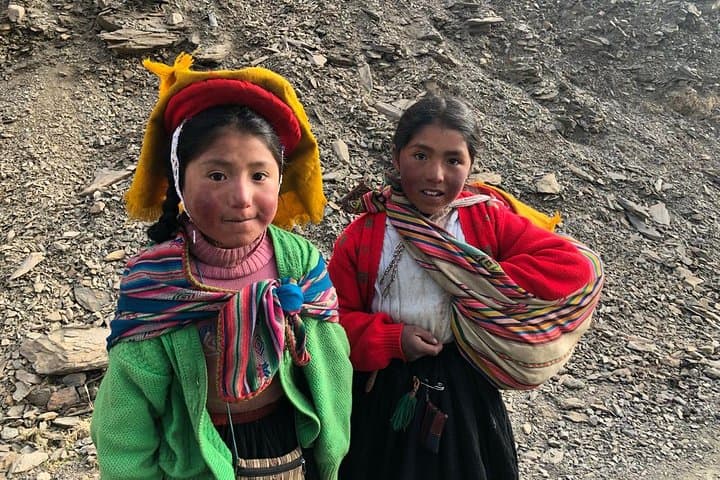
Geology here is literal: layers of iron, copper and other minerals oxidized over millennia to create stripes across a folded sedimentary ridge. The mountain sits on the eastern flank of Ausangate, a sacred peak in Quechua cosmology, and the area has long-standing pastoral traditions—llamas, grazing herds and small villages like Cusipata that supply the trek.
Expect wind that speaks and sun that demands respect. The hike gains roughly 400–600 meters to reach about 5,000 meters above sea level; the round-trip is compact (roughly 4–6 km) but strenuous at altitude. Guides typically include a local breakfast, oxygen support and a buffet lunch back in the valley.
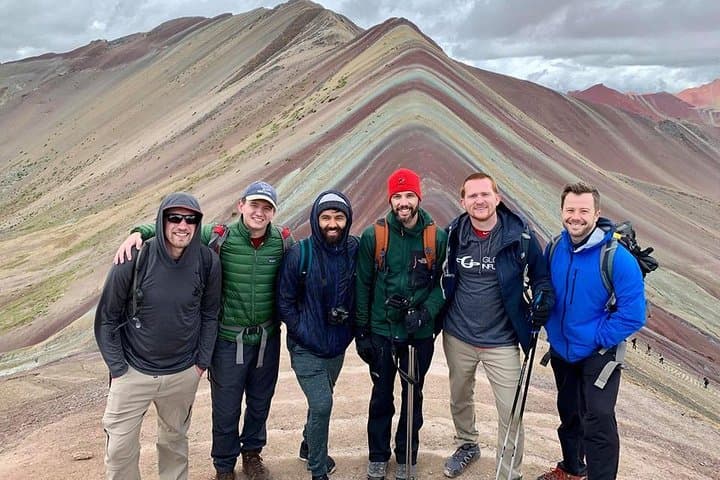
Practical guidance: acclimatize in Cusco for 24–48 hours before attempting the trek; carry layered clothing, sunscreen and plenty of water; set a slow, steady pace and use trekking poles if you have them. Peak viewing is clearest in the dry season (May–September), while the wet months can hide the stripes under fog and mud.
The Rainbow Mountain is less a summit than a high plateau spectacle—brief, intense and utterly Andean. Plan for altitude, plan for weather, and be prepared to give the landscape the time and attention it earns.
moderate.
10–12 hours.
Moderate aerobic fitness recommended plus prior acclimatization; hikers should be comfortable with steep short climbs at high altitude.
The distance is short but the high altitude makes it feel strenuous; beginners who are acclimatized and maintain a slow pace can complete it with rest stops.
The dry season (May–September) offers clearer skies and firmer trails; the wet season (Nov–Mar) brings mud, clouds and variable access.
Yes—symptoms include headache, nausea and dizziness; acclimatize in Cusco, hydrate, move slowly, and guides often carry oxygen and first aid.
Yes, photography is allowed; popular viewpoints can be busy mid‑day—start early or choose off‑peak services to avoid crowds.
The region lies on traditional Quechua grazing lands and near Ausangate, a mountain long revered as an Apu (sacred protector) in Andean belief.
High visitor numbers erode fragile soils; stay on marked trails, pack out trash and use local guides who follow sustainable practices.
Rap Travel Peru operates guided outdoor trips and adventures with an emphasis on safety, stewardship, and memorable experiences.
A cold morning light slices the high Andean air as a convoy winds away from Cusco toward the high puna. By mid-morning the road opens to red and ochre slopes; the trailhead sits thin and bright at high altitude. The climb is short and sharp—two kilometers of switchbacks and tussock grass that push you toward a ridge where the mountain’s bands of iron-rich sediments suddenly bloom into color.
A cold morning light slices the high Andean air as a convoy winds away from Cusco toward the high puna. By mid-morning the road opens to red and ochre slopes; the trailhead sits thin and bright at high altitude. The climb is short and sharp—two kilometers of switchbacks and tussock grass that push you toward a ridge where the mountain’s bands of iron-rich sediments suddenly bloom into color.
Geology here is literal: layers of iron, copper and other minerals oxidized over millennia to create stripes across a folded sedimentary ridge. The mountain sits on the eastern flank of Ausangate, a sacred peak in Quechua cosmology, and the area has long-standing pastoral traditions—llamas, grazing herds and small villages like Cusipata that supply the trek.
Expect wind that speaks and sun that demands respect. The hike gains roughly 400–600 meters to reach about 5,000 meters above sea level; the round-trip is compact (roughly 4–6 km) but strenuous at altitude. Guides typically include a local breakfast, oxygen support and a buffet lunch back in the valley.
Practical guidance: acclimatize in Cusco for 24–48 hours before attempting the trek; carry layered clothing, sunscreen and plenty of water; set a slow, steady pace and use trekking poles if you have them. Peak viewing is clearest in the dry season (May–September), while the wet months can hide the stripes under fog and mud.
The Rainbow Mountain is less a summit than a high plateau spectacle—brief, intense and utterly Andean. Plan for altitude, plan for weather, and be prepared to give the landscape the time and attention it earns.