THE ADVENTURE COLLECTIVE® · Independent discovery and booking for outdoor travel

Watch the Andes reveal their painted stripes at dawn on a full‑day hike to Vinicunca (Rainbow Mountain). This guide covers what you'll see, why the colors exist, and the practical prep that makes the day rewarding rather than punishing.
Watch the Andes reveal their painted stripes at dawn on a full‑day hike to Vinicunca (Rainbow Mountain). This guide covers what you'll see, why the colors exist, and the practical prep that makes the day rewarding rather than punishing.
The sun arrives slow and bright over the Vilcanota range, painting corrugated ridgelines before it reaches the slopes of Vinicunca. You step out of the van into thin air, the ground crunching under boots as the mountain’s bands—rust red, ochre, moss green, and pale turquoise—unfurl like a mineral ledger written across the hillside.
Verified experiences and guided adventures in the surrounding area.
Operated by Top Inka Travel · Cusco, Cusco Region
The sun arrives slow and bright over the Vilcanota range, painting corrugated ridgelines before it reaches the slopes of Vinicunca. You step out of the van into thin air, the ground crunching under boots as the mountain’s bands—rust red, ochre, moss green, and pale turquoise—unfurl like a mineral ledger written across the hillside.
This high‑Andean landscape is geological signage: iron oxides, copper compounds and other minerals laid down and exposed by glaciation and erosion. The ridge sits within territories long inhabited by Quechua communities; shepherds and their alpacas have moved seasonally through these high pastures for centuries, and local villages such as Cusipata and Chilliwani supply the route’s basic services and lunches.
Expect a steady, exposed climb over compacted dirt and occasional scree. The official viewpoint reaches roughly 5,200 m (17,060 ft); the ascent from the trailhead takes about 60–90 minutes at a moderate pace but feels harder because of altitude. Weather shifts quickly—sun, hard wind, and sudden rain are all possible in a single afternoon—so layers matter. Guides commonly carry oxygen canisters and trekking poles; small groups keep the footprint on fragile puna grassland lower.
Practical guidance: acclimatize in Cusco for 24–48 hours, drink more water than feels necessary, and start early to avoid afternoon storms and crowds. Bring sunscreen, windproof layers, and cash for local vendors. The route is a compact, dramatic introduction to high‑altitude trekking: immediate, visual, and demanding respect from anyone who ventures up to it.
challenging.
10–12 hours.
Moderately fit: able to hike 1–2 hours uphill at high altitude and walk on uneven terrain; prior short hikes helpful.
The viewpoint sits around 5,200 m (17,060 ft); altitude is a primary challenge—acclimatize first, move slowly, and watch for symptoms of AMS.
The uphill section typically takes 60–90 minutes at a moderate pace; total door‑to‑door tour is a full day (about 10–12 hours including transport and stops).
No special permit is normally required for the viewpoint; tours are the common way to access the trailhead and often include transport, guide, and lunch.
The trail is short but steep and at very high altitude; it may be unsuitable for young children or anyone with serious cardiovascular or respiratory issues.
Vinicunca lies on traditional Quechua grazing lands and became widely visited only in the past decade after an exposed geological layer produced its striped appearance.
Heavy foot traffic and informal trails threaten fragile puna vegetation; stick to paths, avoid litter, and support local guides who help manage visitor impact.
Top Inka Travel operates guided outdoor trips and adventures with an emphasis on safety, stewardship, and memorable experiences.
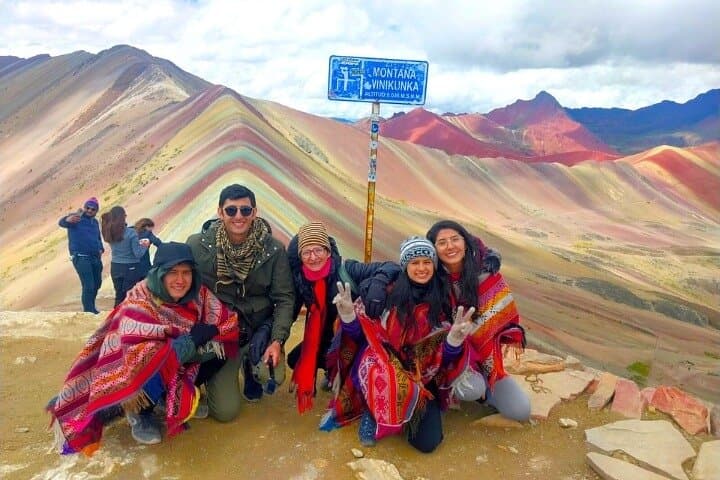
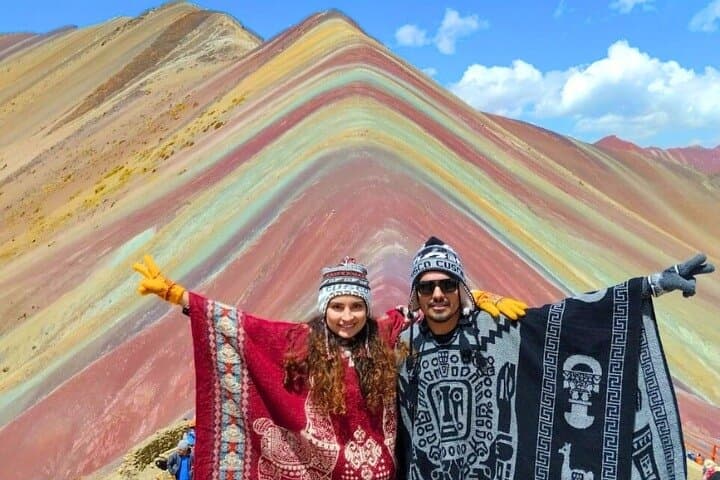
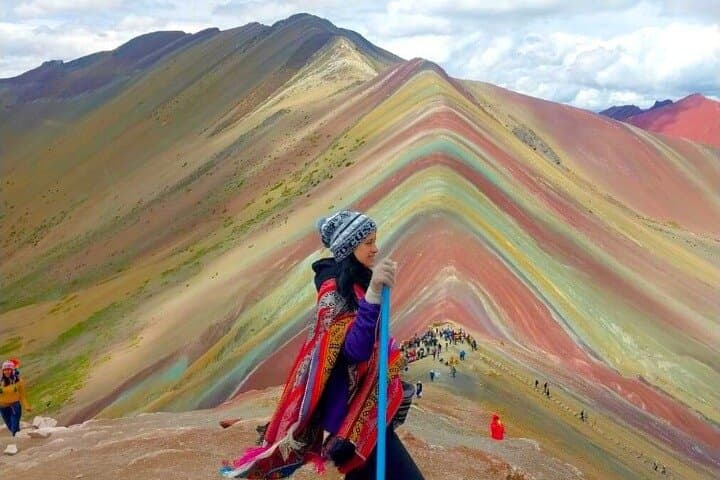
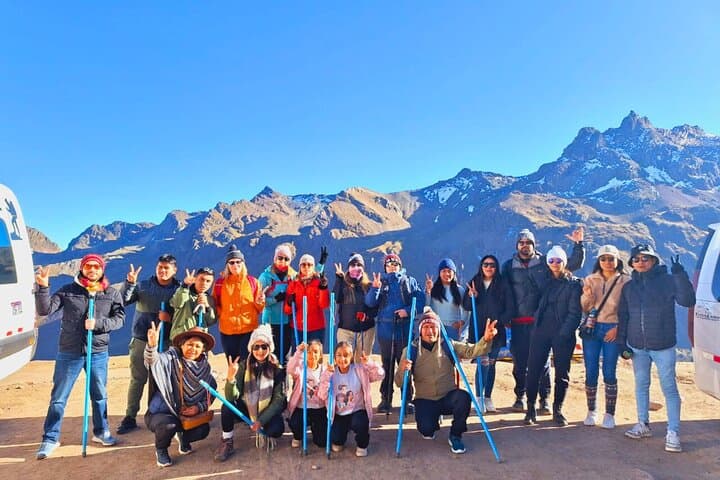
The sun arrives slow and bright over the Vilcanota range, painting corrugated ridgelines before it reaches the slopes of Vinicunca. You step out of the van into thin air, the ground crunching under boots as the mountain’s bands—rust red, ochre, moss green, and pale turquoise—unfurl like a mineral ledger written across the hillside.
The sun arrives slow and bright over the Vilcanota range, painting corrugated ridgelines before it reaches the slopes of Vinicunca. You step out of the van into thin air, the ground crunching under boots as the mountain’s bands—rust red, ochre, moss green, and pale turquoise—unfurl like a mineral ledger written across the hillside.
This high‑Andean landscape is geological signage: iron oxides, copper compounds and other minerals laid down and exposed by glaciation and erosion. The ridge sits within territories long inhabited by Quechua communities; shepherds and their alpacas have moved seasonally through these high pastures for centuries, and local villages such as Cusipata and Chilliwani supply the route’s basic services and lunches.
Expect a steady, exposed climb over compacted dirt and occasional scree. The official viewpoint reaches roughly 5,200 m (17,060 ft); the ascent from the trailhead takes about 60–90 minutes at a moderate pace but feels harder because of altitude. Weather shifts quickly—sun, hard wind, and sudden rain are all possible in a single afternoon—so layers matter. Guides commonly carry oxygen canisters and trekking poles; small groups keep the footprint on fragile puna grassland lower.
Practical guidance: acclimatize in Cusco for 24–48 hours, drink more water than feels necessary, and start early to avoid afternoon storms and crowds. Bring sunscreen, windproof layers, and cash for local vendors. The route is a compact, dramatic introduction to high‑altitude trekking: immediate, visual, and demanding respect from anyone who ventures up to it.