THE ADVENTURE COLLECTIVE® · Independent discovery and booking for outdoor travel

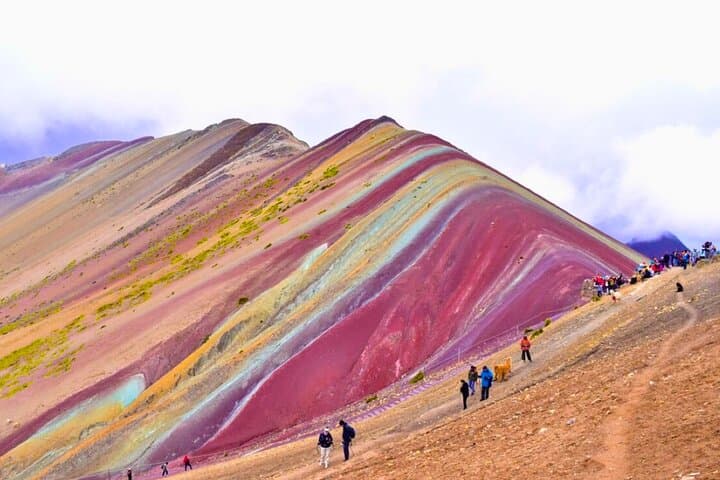
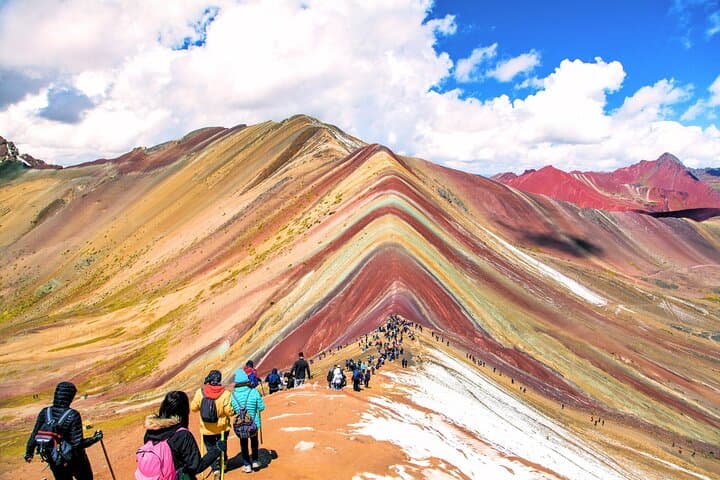
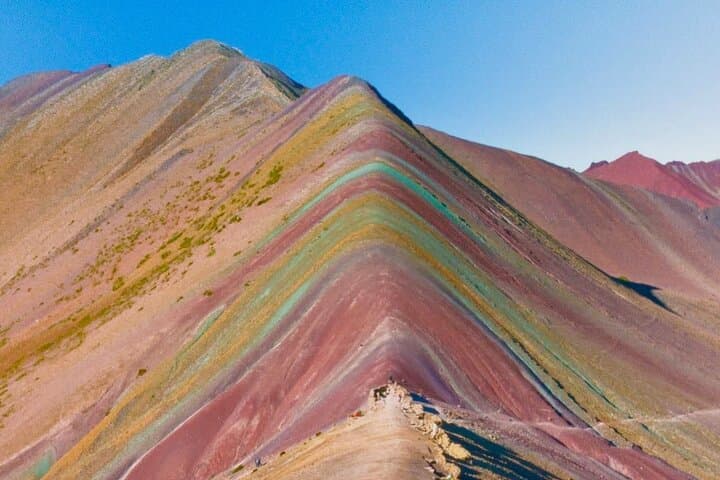
Start before dawn in Cusco for a full-day ascent to Rainbow Mountain (Vinicunca). This high‑altitude hike climbs to 5,100 m, offering vivid mineral-striped slopes and sweeping views of the Ausangate massif—bring acclimatization and sturdy boots.
Start before dawn in Cusco for a full-day ascent to Rainbow Mountain (Vinicunca). This high‑altitude hike climbs to 5,100 m, offering vivid mineral-striped slopes and sweeping views of the Ausangate massif—bring acclimatization and sturdy boots.
Morning light slices across the altiplano as the minivan climbs away from Cusco; brown adobe houses shrink and the air thins until the world feels louder and higher. By the time you step off at Llacto (4,630 m) the wind has a voice, nudging you onto the trail that climbs toward the banded slopes of Vinicunca—the Mountain of Seven Colors.
Verified experiences and guided adventures in the surrounding area.
Operated by Intiperu Travel · Pitumarca, Cusco
Morning light slices across the altiplano as the minivan climbs away from Cusco; brown adobe houses shrink and the air thins until the world feels louder and higher. By the time you step off at Llacto (4,630 m) the wind has a voice, nudging you onto the trail that climbs toward the banded slopes of Vinicunca—the Mountain of Seven Colors.
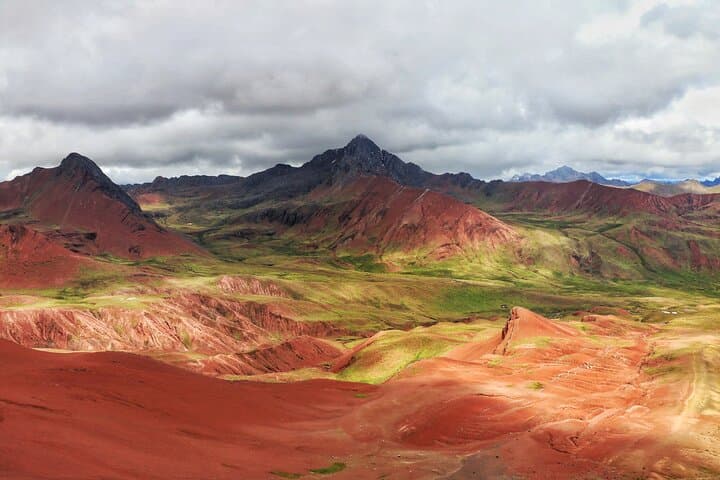
Geology here is a readable cross-section: iron oxides, red clays and mineral-rich sediments layered and exposed by glacial and wind erosion. The route runs alongside a small creek, through grazing terraces where Quechua-speaking communities tend llamas and alpacas in traditional dress. Ausangate, a snow-capped Apu, watches from the skyline—an important mountain in Andean cosmology and a reminder that this landscape is both natural and cultural.
Expect a steady uphill over roughly 7–8 km one-way (about 15 km round-trip) with altitude climbing to 5,100 m. Trails are rocky and exposed; weather can flip from sun to sleet in minutes. Guides usually include breakfast, entrance fee and a buffet lunch back in town; optional horse rentals are offered for the ascent for those struggling with thin air.
Practical notes: acclimatize in Cusco for 48–72 hours before attempting the hike, carry layers, sun protection and at least 2 liters of water, and plan for a 12–13 hour outing with early pickup. Stick to the marked trail to limit erosion and respect local herding areas. The payoff is a high-altitude panorama of striped minerals and crystalline peaks—a raw, elemental Andean ridge that rewards preparation with unforgettable views.
challenging.
12–13 hours.
Good aerobic fitness and prior experience hiking at altitude; be comfortable walking on rocky, uneven trails.
The trail is steep and high—about 7–8 km each way with a summit at 5,100 m. Expect thin air, rocky footing, and several hours of continuous uphill; moderate-to-high fitness is required.
Most tours include hotel pickup, guides, entrance fee and lunch; independent travel is possible but requires arranging transport and understanding altitude risks.
Yes—horse rentals are commonly offered on-site for a fee (around $25 USD) but availability and animal welfare vary; horses can help but don’t eliminate altitude effects.
The dry season (May–September) provides more stable weather and clearer views, though mornings are cold; rainy season (Nov–Mar) can make trails muddy and visibility poor.
The Ausangate region is historically significant to Andean communities; local Quechua people maintain pastoral traditions and regard nearby peaks as sacred (apus).
The high puna is fragile—stay on trails, avoid disturbing grazing animals, and carry out all waste; support local guides to benefit community conservation efforts.
Intiperu Travel operates guided outdoor trips and adventures with an emphasis on safety, stewardship, and memorable experiences.
Morning light slices across the altiplano as the minivan climbs away from Cusco; brown adobe houses shrink and the air thins until the world feels louder and higher. By the time you step off at Llacto (4,630 m) the wind has a voice, nudging you onto the trail that climbs toward the banded slopes of Vinicunca—the Mountain of Seven Colors.
Morning light slices across the altiplano as the minivan climbs away from Cusco; brown adobe houses shrink and the air thins until the world feels louder and higher. By the time you step off at Llacto (4,630 m) the wind has a voice, nudging you onto the trail that climbs toward the banded slopes of Vinicunca—the Mountain of Seven Colors.
Geology here is a readable cross-section: iron oxides, red clays and mineral-rich sediments layered and exposed by glacial and wind erosion. The route runs alongside a small creek, through grazing terraces where Quechua-speaking communities tend llamas and alpacas in traditional dress. Ausangate, a snow-capped Apu, watches from the skyline—an important mountain in Andean cosmology and a reminder that this landscape is both natural and cultural.
Expect a steady uphill over roughly 7–8 km one-way (about 15 km round-trip) with altitude climbing to 5,100 m. Trails are rocky and exposed; weather can flip from sun to sleet in minutes. Guides usually include breakfast, entrance fee and a buffet lunch back in town; optional horse rentals are offered for the ascent for those struggling with thin air.
Practical notes: acclimatize in Cusco for 48–72 hours before attempting the hike, carry layers, sun protection and at least 2 liters of water, and plan for a 12–13 hour outing with early pickup. Stick to the marked trail to limit erosion and respect local herding areas. The payoff is a high-altitude panorama of striped minerals and crystalline peaks—a raw, elemental Andean ridge that rewards preparation with unforgettable views.