THE ADVENTURE COLLECTIVE® · Independent discovery and booking for outdoor travel

Experience Rainbow Mountain’s surreal mineral stripes on a full‑day high‑altitude hike from Cusco. This guide covers geology, culture, logistics and what to pack for a safe, rewarding day above 5,000 m.
Experience Rainbow Mountain’s surreal mineral stripes on a full‑day high‑altitude hike from Cusco. This guide covers geology, culture, logistics and what to pack for a safe, rewarding day above 5,000 m.
Dawn breaks over the high puna as the bus winds away from Cusco and the air sharpens with altitude; ahead, a banded crest of red, ochre and turquoise slices the skyline. By midmorning you’ll step onto the 7 km round‑trip trail toward Vinicunca, where the thin Andean light makes mineral stripes read like paint strokes across a sleeping giant.
Verified experiences and guided adventures in the surrounding area.
Operated by Lares Trip · Cusco, Cusco Region
Dawn breaks over the high puna as the bus winds away from Cusco and the air sharpens with altitude; ahead, a banded crest of red, ochre and turquoise slices the skyline. By midmorning you’ll step onto the 7 km round‑trip trail toward Vinicunca, where the thin Andean light makes mineral stripes read like paint strokes across a sleeping giant.
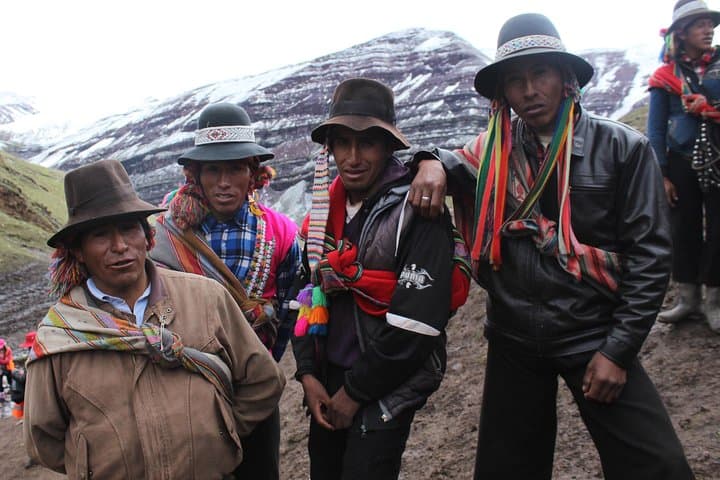
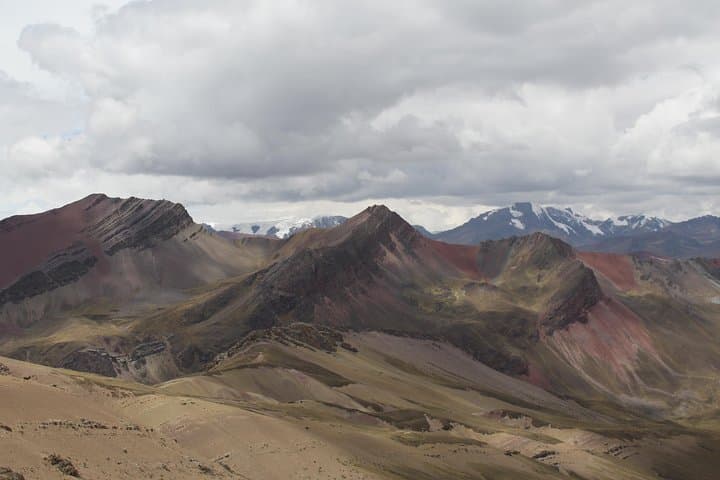
Geologically the colors come from layers of sedimentary mineral deposits—iron oxides, copper sulfates and volcanic ash—warped upward by the Andean orogeny. Culturally the slopes sit in Ausangate’s shadow, a mountain the Quechua still regard as an Apu, or guardian spirit; shepherds and alpacas graze the high grasslands and traditional communities dot the approach roads.
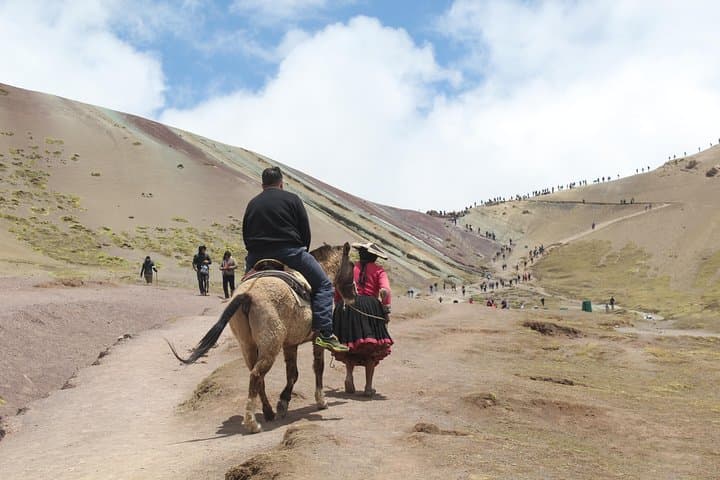
The hike itself is a steady, high‑altitude walk: expect roughly 350–450 m elevation gain depending on start point, uneven puna trails, and exposed ridgelines with sweeping views of Ausangate (6,384 m). Weather changes fast—sun, wind and snow can arrive in hours—so layers are mandatory. Guides regularly carry oxygen tanks for altitude aid and the day usually includes a local breakfast and buffet lunch back in the valley.
Practical tips: acclimatize in Cusco for 48–72 hours, bring water and sun protection, and plan for a 6–8 hour day including transport (the mountain sits over 100 km from Cusco). Respect marked trails and local communities—stay on paths, pack out waste, and tip guides if service felt helpful. Give yourself time at the viewpoint; the panorama and the brisk Andean breeze are part of the reward.
challenging.
6–8 hours.
Good aerobic fitness for steady uphill walking at high altitude; ability to walk on uneven terrain for several hours.
The trail is about 7 km round‑trip with steady uphill sections; the full excursion including transport is 6–8 hours, with 2–3 hours of walking depending on pace and start point.
Yes—Vinicunca sits above 5,000 m. Acclimatize in Cusco for 48–72 hours, ascend slowly, hydrate, and consider consulting a doctor about prophylactics like acetazolamide if you have previous altitude issues.
Not recommended for pregnant travelers or anyone with serious cardiovascular or spinal conditions; children can do it if well‑acclimatized and monitored, but discuss with a guide first.
Most full‑day tours include hotel pickup in Cusco, a local breakfast, buffet lunch and private bus transport; check your booking for specifics.
The banded slopes are sedimentary and volcanic deposits uplifted by the Andes; the nearby Ausangate massif is traditionally revered by Quechua communities as an Apu.
High foot traffic accelerates erosion; stick to trails, avoid leaving waste, and support local guides and community tourism initiatives to keep the area sustainable.
Lares Trip operates guided outdoor trips and adventures with an emphasis on safety, stewardship, and memorable experiences.
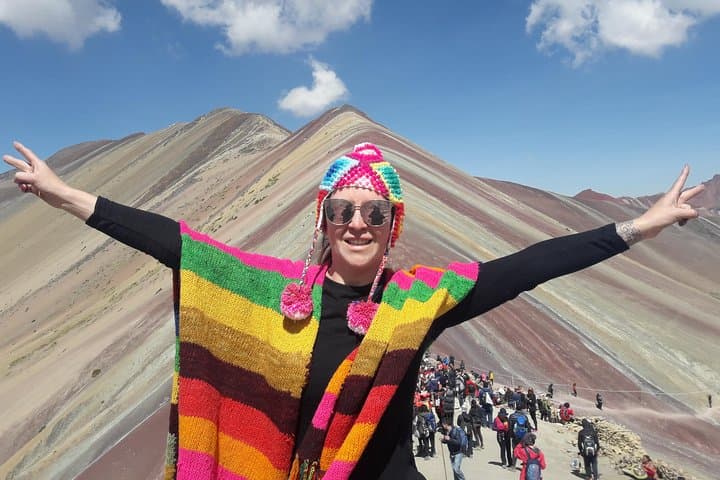
Dawn breaks over the high puna as the bus winds away from Cusco and the air sharpens with altitude; ahead, a banded crest of red, ochre and turquoise slices the skyline. By midmorning you’ll step onto the 7 km round‑trip trail toward Vinicunca, where the thin Andean light makes mineral stripes read like paint strokes across a sleeping giant.
Dawn breaks over the high puna as the bus winds away from Cusco and the air sharpens with altitude; ahead, a banded crest of red, ochre and turquoise slices the skyline. By midmorning you’ll step onto the 7 km round‑trip trail toward Vinicunca, where the thin Andean light makes mineral stripes read like paint strokes across a sleeping giant.
Geologically the colors come from layers of sedimentary mineral deposits—iron oxides, copper sulfates and volcanic ash—warped upward by the Andean orogeny. Culturally the slopes sit in Ausangate’s shadow, a mountain the Quechua still regard as an Apu, or guardian spirit; shepherds and alpacas graze the high grasslands and traditional communities dot the approach roads.
The hike itself is a steady, high‑altitude walk: expect roughly 350–450 m elevation gain depending on start point, uneven puna trails, and exposed ridgelines with sweeping views of Ausangate (6,384 m). Weather changes fast—sun, wind and snow can arrive in hours—so layers are mandatory. Guides regularly carry oxygen tanks for altitude aid and the day usually includes a local breakfast and buffet lunch back in the valley.
Practical tips: acclimatize in Cusco for 48–72 hours, bring water and sun protection, and plan for a 6–8 hour day including transport (the mountain sits over 100 km from Cusco). Respect marked trails and local communities—stay on paths, pack out waste, and tip guides if service felt helpful. Give yourself time at the viewpoint; the panorama and the brisk Andean breeze are part of the reward.