THE ADVENTURE COLLECTIVE® · Independent discovery and booking for outdoor travel

A full-day trek from Cusco to Vinicunca (Rainbow Mountain) delivers mineral-striped slopes, high-Andean views, and a culturally rich trail past grazing llamas. Read on for what to expect, essentials to pack, and timing tips for altitude and weather.
A full-day trek from Cusco to Vinicunca (Rainbow Mountain) delivers mineral-striped slopes, high-Andean views, and a culturally rich trail past grazing llamas. Read on for what to expect, essentials to pack, and timing tips for altitude and weather.
You climb out of Cusco before dawn and the road opens into high puna: wind that pushes at your jacket, scrubby grass bending like a tide, and the first silhouette of snow on the Vilcanota range. By mid-morning the trail narrows and the colors of Vinicunca begin to appear — ochres, rusts, and mineral stripes cutting across compacted red earth — a raw geological page turned by oxygen, iron and time.
Verified experiences and guided adventures in the surrounding area.
Operated by Inkas Destination Tour Operator · Cusco, Cusco
You climb out of Cusco before dawn and the road opens into high puna: wind that pushes at your jacket, scrubby grass bending like a tide, and the first silhouette of snow on the Vilcanota range. By mid-morning the trail narrows and the colors of Vinicunca begin to appear — ochres, rusts, and mineral stripes cutting across compacted red earth — a raw geological page turned by oxygen, iron and time.
Geology here is obvious: layers of sediment, uplifted and oxidized over millions of years, form the banded slopes. The mountain sits on routes walked by Quechua communities for centuries; llamas and alpacas graze near the trail and local guides often explain the area's cultural ties to Ausangate, a sacred peak. National Geographic called it a must-see, which brought attention and visitors; that attention helps local livelihoods but also raises conservation needs.
Practically, expect a full day: hotel pickup in Cusco, a 3–4 hour drive to the trailhead near Pitumarca, then a 2–3 hour round-trip hike to the viewpoint. Altitude reaches ~5,000 m, so the air is thin and pace matters more than speed. Trails are rocky, often muddy after rain, and weather flips from sun to sleet quickly — layers and sun protection are essential.
Bring water, snacks, a warm insulated layer, and sanctioned entrance fee money; consider a light walking pole to reduce knee strain on steep sections. With steady breathing and respect for the altitude, the payoff is a sharp, colorful ridge line and sweeping views of the Vilcanota peaks — an elemental Andes experience that rewards planning and patience.
challenging.
8–10 hours.
Good cardiovascular fitness and previous moderate hiking experience recommended; ability to hike at high altitude is important.
The trail is steep and climbs to about 5,000 m; the physical distance is moderate but altitude makes it feel harder—expect 2–3 hours round-trip on the marked route.
Tours include a professional guide and transportation; solo hiking is possible but a guide improves safety, navigation and cultural context.
Dry season (May–September) offers clearer skies and firmer trails, while wet season (Nov–Mar) brings dramatic clouds but muddier conditions and higher cancellation risk.
Horses or mule services can be offered locally for part of the ascent, but availability and safety standards vary—carry cash and choose vetted providers.
Vinicunca sits on ancient trade and grazing routes used by Quechua herders; recent global attention stems from its striking mineral stripes and proximity to the sacred Ausangate massif.
Visitor fees often fund local communities and trail maintenance; stay on designated paths, pack out trash, and avoid feeding wildlife to reduce ecological impact.
Inkas Destination Tour Operator operates guided outdoor trips and adventures with an emphasis on safety, stewardship, and memorable experiences.
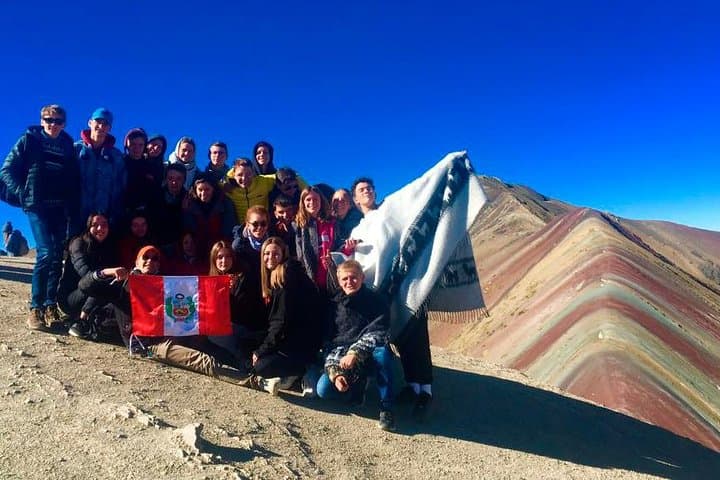
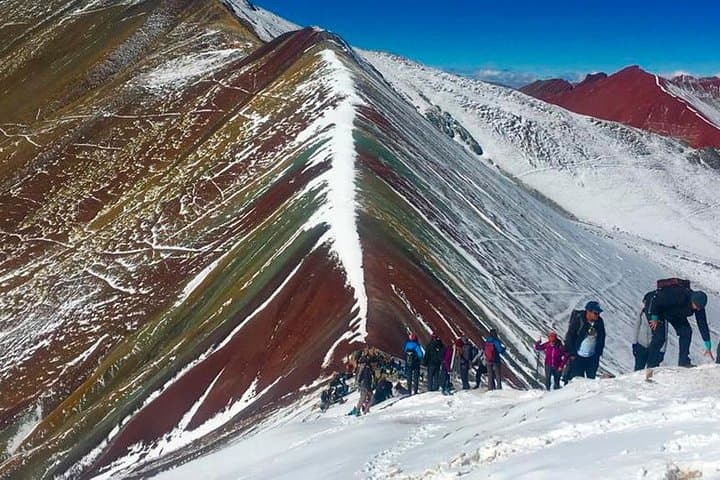
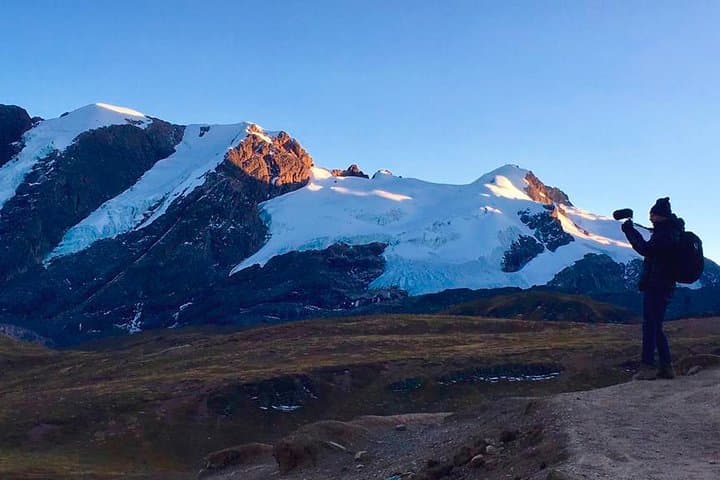
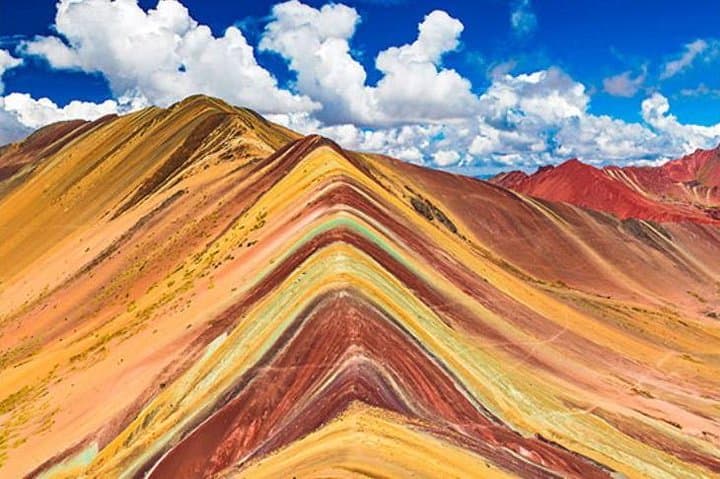
You climb out of Cusco before dawn and the road opens into high puna: wind that pushes at your jacket, scrubby grass bending like a tide, and the first silhouette of snow on the Vilcanota range. By mid-morning the trail narrows and the colors of Vinicunca begin to appear — ochres, rusts, and mineral stripes cutting across compacted red earth — a raw geological page turned by oxygen, iron and time.
You climb out of Cusco before dawn and the road opens into high puna: wind that pushes at your jacket, scrubby grass bending like a tide, and the first silhouette of snow on the Vilcanota range. By mid-morning the trail narrows and the colors of Vinicunca begin to appear — ochres, rusts, and mineral stripes cutting across compacted red earth — a raw geological page turned by oxygen, iron and time.
Geology here is obvious: layers of sediment, uplifted and oxidized over millions of years, form the banded slopes. The mountain sits on routes walked by Quechua communities for centuries; llamas and alpacas graze near the trail and local guides often explain the area's cultural ties to Ausangate, a sacred peak. National Geographic called it a must-see, which brought attention and visitors; that attention helps local livelihoods but also raises conservation needs.
Practically, expect a full day: hotel pickup in Cusco, a 3–4 hour drive to the trailhead near Pitumarca, then a 2–3 hour round-trip hike to the viewpoint. Altitude reaches ~5,000 m, so the air is thin and pace matters more than speed. Trails are rocky, often muddy after rain, and weather flips from sun to sleet quickly — layers and sun protection are essential.
Bring water, snacks, a warm insulated layer, and sanctioned entrance fee money; consider a light walking pole to reduce knee strain on steep sections. With steady breathing and respect for the altitude, the payoff is a sharp, colorful ridge line and sweeping views of the Vilcanota peaks — an elemental Andes experience that rewards planning and patience.