THE ADVENTURE COLLECTIVE® · Independent discovery and booking for outdoor travel

Climb to 5,020 m for the spectacular stripes of Vinicunca: a high-altitude day trek from Cusco that pairs dramatic geology with Quechua highland culture. Read on for what to expect, how to prepare, and practical tips for the ascent.
Climb to 5,020 m for the spectacular stripes of Vinicunca: a high-altitude day trek from Cusco that pairs dramatic geology with Quechua highland culture. Read on for what to expect, how to prepare, and practical tips for the ascent.
A pre-dawn van hums out of Cusco and the road climbs into a thin, cold light. By sunrise you’re driving past wind-scoured puna, herds of alpacas picking at sparse grass and the jagged mass of Ausangate rising like an old glacier-locked giant. The trailhead at the Quesiuno community feels immediate: a narrow path that points toward a layered horizon, each band a different mineral tone daring you higher.
Verified experiences and guided adventures in the surrounding area.
Operated by Machu Picchu Peru Cusco · Cusco, Cusco
A pre-dawn van hums out of Cusco and the road climbs into a thin, cold light. By sunrise you’re driving past wind-scoured puna, herds of alpacas picking at sparse grass and the jagged mass of Ausangate rising like an old glacier-locked giant. The trailhead at the Quesiuno community feels immediate: a narrow path that points toward a layered horizon, each band a different mineral tone daring you higher.
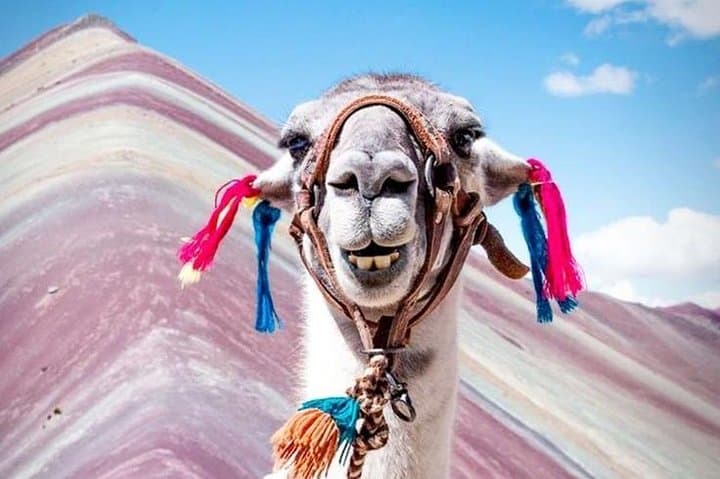
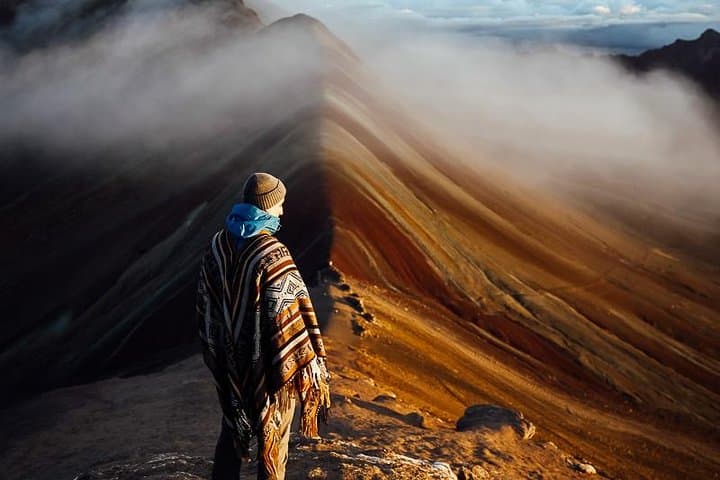
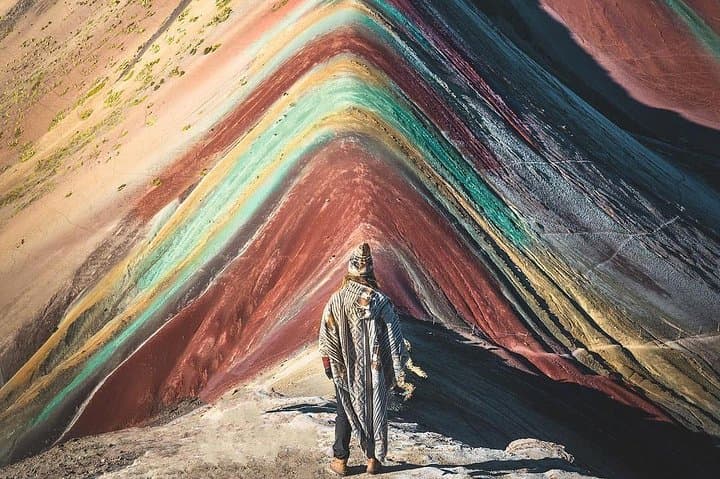
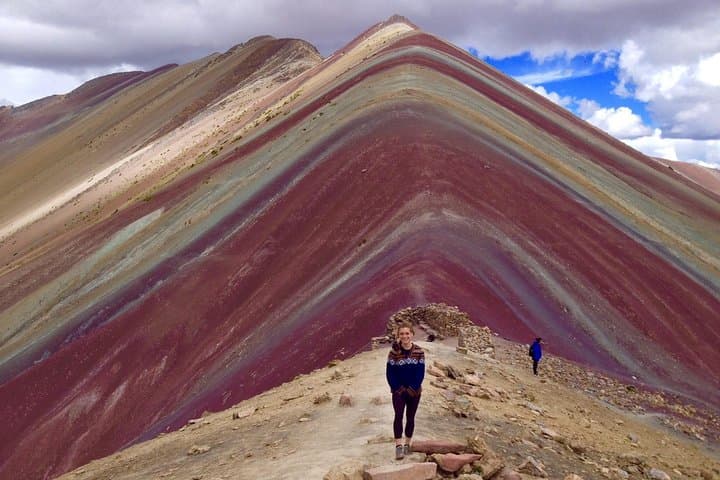
Vinicunca’s colors owe less to magic and more to geology: iron oxides and layered sedimentary deposits exposed by glacial retreat and erosion. The peak sits at 5,020 m (16,466 ft.), a place of high-altitude pastoral life where Quechua-speaking communities still herd llamas and weave in traditional patterns you’ll notice on the people who live here. The route is a straightforward high-altitude trek—steep in sections, exposed to sun and wind, and dominated by big sky and hard-packed trail.
Expect roughly 3 hours of ascent and 2 hours down, with a round-trip distance often in the 8–10 km range and about 600–700 m of elevation gain depending on the starting point. Practical planning matters: acclimatize in Cusco for at least 24–48 hours, layer for wide temperature swings, bring SPF and sunglasses, and pace yourself uphill. Guides often include breakfast, lunch, oxygen canisters, and bilingual guiding; rides back through Hanchipacha community let you rest and sample local food.
This is not a technical climb but it is a demanding day at altitude—respect the pace, read your body, and the striped slopes will reward you with one of the Andes’ most startling landscapes.
challenging.
10–12 hours.
Moderate to good cardiovascular fitness recommended; prior experience with sustained uphill hiking at altitude helps.
The trail is non-technical but challenging due to altitude and sustained uphill walking; expect steep sections and plan for 3 hours up and 2 hours down.
The dry season (May–September) offers the most stable weather and clearer views; the wet season (Dec–Mar) brings afternoon storms and muddier trails.
Possibly—symptoms vary; acclimatize in Cusco, hydrate, avoid alcohol, and notify your guide if you feel severe headache, nausea, or dizziness.
Basic facilities and community-run stops are available near trailheads and at lunch in Hanchipacha, but options are limited—pack essentials and cash for small purchases.
The area is part of Quechua-speaking highlands historically connected to pastoralism and seasonal alpaca herding; local communities maintain textile and herding traditions.
Increased visitation has led to trail erosion and litter issues; stick to marked paths, pack out trash, and support local community guides and services.
Machu Picchu Peru Cusco operates guided outdoor trips and adventures with an emphasis on safety, stewardship, and memorable experiences.
A pre-dawn van hums out of Cusco and the road climbs into a thin, cold light. By sunrise you’re driving past wind-scoured puna, herds of alpacas picking at sparse grass and the jagged mass of Ausangate rising like an old glacier-locked giant. The trailhead at the Quesiuno community feels immediate: a narrow path that points toward a layered horizon, each band a different mineral tone daring you higher.
A pre-dawn van hums out of Cusco and the road climbs into a thin, cold light. By sunrise you’re driving past wind-scoured puna, herds of alpacas picking at sparse grass and the jagged mass of Ausangate rising like an old glacier-locked giant. The trailhead at the Quesiuno community feels immediate: a narrow path that points toward a layered horizon, each band a different mineral tone daring you higher.
Vinicunca’s colors owe less to magic and more to geology: iron oxides and layered sedimentary deposits exposed by glacial retreat and erosion. The peak sits at 5,020 m (16,466 ft.), a place of high-altitude pastoral life where Quechua-speaking communities still herd llamas and weave in traditional patterns you’ll notice on the people who live here. The route is a straightforward high-altitude trek—steep in sections, exposed to sun and wind, and dominated by big sky and hard-packed trail.
Expect roughly 3 hours of ascent and 2 hours down, with a round-trip distance often in the 8–10 km range and about 600–700 m of elevation gain depending on the starting point. Practical planning matters: acclimatize in Cusco for at least 24–48 hours, layer for wide temperature swings, bring SPF and sunglasses, and pace yourself uphill. Guides often include breakfast, lunch, oxygen canisters, and bilingual guiding; rides back through Hanchipacha community let you rest and sample local food.
This is not a technical climb but it is a demanding day at altitude—respect the pace, read your body, and the striped slopes will reward you with one of the Andes’ most startling landscapes.