THE ADVENTURE COLLECTIVE® · Independent discovery and booking for outdoor travel

Hike to Vinicunca—Rainbow Mountain—from Cusco on a full-day, high-altitude trek. Expect steep climbs to 5,020 m, vivid mineral stripes, and quick-changing weather; acclimatization and early starts improve both safety and views.
Hike to Vinicunca—Rainbow Mountain—from Cusco on a full-day, high-altitude trek. Expect steep climbs to 5,020 m, vivid mineral stripes, and quick-changing weather; acclimatization and early starts improve both safety and views.
Dawn arrives cold and thin above the altiplano as your minivan slices through black hills toward Llaqto. By the time the light breaks over high puna grass, frost sparkles on the trail and the outline of Vinicunca—Rainbow Mountain—appears as a banded spine on the horizon. The air is sharp; every breath feels like a small climb.
Verified experiences and guided adventures in the surrounding area.
Operated by Bamba Travel · Cusco, Cusco Region
Dawn arrives cold and thin above the altiplano as your minivan slices through black hills toward Llaqto. By the time the light breaks over high puna grass, frost sparkles on the trail and the outline of Vinicunca—Rainbow Mountain—appears as a banded spine on the horizon. The air is sharp; every breath feels like a small climb.
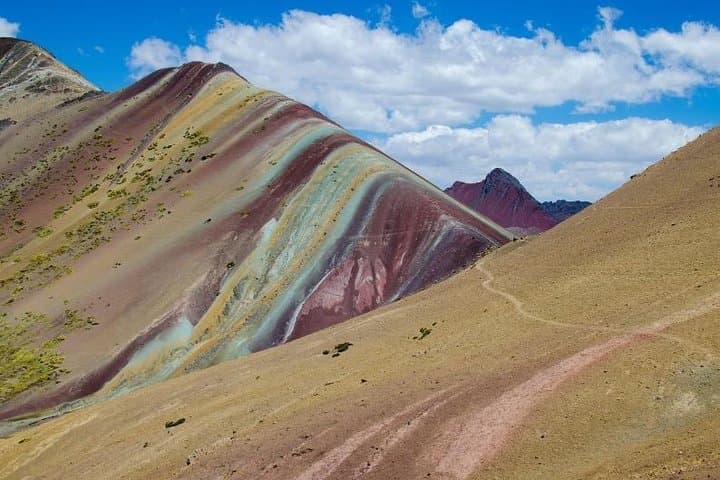
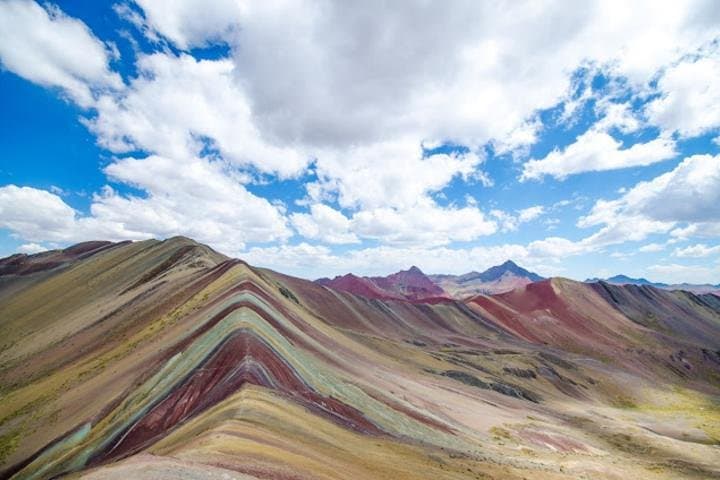
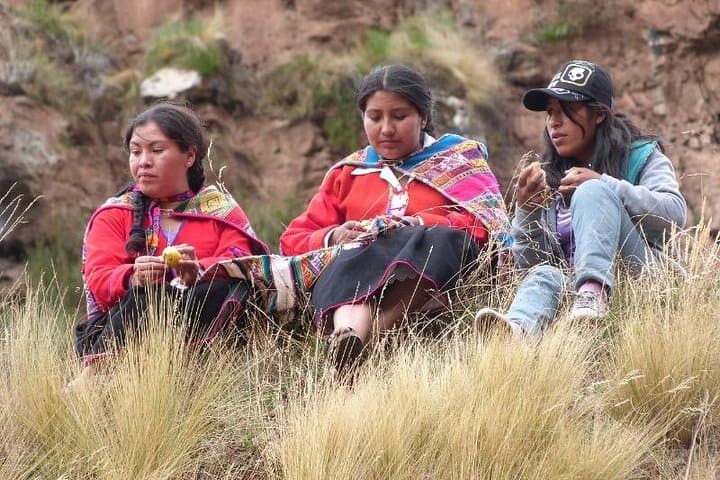
The mountain’s stripes are geological storytelling: iron oxides, copper sulfates and other mineral deposits exposed and oxidized over millennia, layered and then lifted by Andean uplift. This landscape sits on ancestral Quechua lands—sheep and alpaca herders, and small villages that maintain highland traditions of weaving and ritual offerings to the mountains.
Expect a steep, exposed climb from Llaqto up to 5,020 m (about 16,466 ft). Trails alternate between packed earth and loose scree; the ascent typically takes 1.5–2 hours for fit hikers. Weather changes fast—sun, wind and sudden snow or rain are all part of the day. Guides commonly carry oxygen and basic first aid; llamas graze near ridgelines and shepherds wave from stone corrals.
Practical guidance: acclimatize in Cusco for at least 48–72 hours, hydrate aggressively, and pace your breathing on the final push. Morning departures maximize visibility and reduce chance of afternoon cloud. Bring layered clothing, a windproof shell, and sun protection—UV is intense at altitude. Photography windows open at the summit but can be brief; be ready when the light hits the ridgeline.
This trek rewards with raw, high-altitude panorama and a direct encounter with Andean life—striking color, thin air, and the steady patience of stone.
challenging.
8–10 hours (door-to-door).
Moderate to high cardiovascular fitness with prior high-altitude experience recommended
The uphill hike is typically 1.5–2 hours depending on fitness and acclimatization; return and transport make the full day about 8–10 hours.
Yes—summit reaches about 5,020 m; acclimatization, hydration, and pacing reduce risk but symptoms can still occur.
Some local services offer horseback assistance for a fee on sections, but availability varies and trails can be steep and rocky.
April–October (dry season) typically offers the most reliable visibility; avoid November–March when rain and clouds are more frequent.
The region lies within classic Quechua highlands, used for centuries by Andean pastoralists; nearby Ausangate is a sacred mountain in local cosmology.
Visitor pressure and trail erosion are growing concerns; stick to established paths, avoid litter, and support local guides to ensure revenue remains in the community.
Bamba Travel operates guided outdoor trips and adventures with an emphasis on safety, stewardship, and memorable experiences.
Dawn arrives cold and thin above the altiplano as your minivan slices through black hills toward Llaqto. By the time the light breaks over high puna grass, frost sparkles on the trail and the outline of Vinicunca—Rainbow Mountain—appears as a banded spine on the horizon. The air is sharp; every breath feels like a small climb.
Dawn arrives cold and thin above the altiplano as your minivan slices through black hills toward Llaqto. By the time the light breaks over high puna grass, frost sparkles on the trail and the outline of Vinicunca—Rainbow Mountain—appears as a banded spine on the horizon. The air is sharp; every breath feels like a small climb.
The mountain’s stripes are geological storytelling: iron oxides, copper sulfates and other mineral deposits exposed and oxidized over millennia, layered and then lifted by Andean uplift. This landscape sits on ancestral Quechua lands—sheep and alpaca herders, and small villages that maintain highland traditions of weaving and ritual offerings to the mountains.
Expect a steep, exposed climb from Llaqto up to 5,020 m (about 16,466 ft). Trails alternate between packed earth and loose scree; the ascent typically takes 1.5–2 hours for fit hikers. Weather changes fast—sun, wind and sudden snow or rain are all part of the day. Guides commonly carry oxygen and basic first aid; llamas graze near ridgelines and shepherds wave from stone corrals.
Practical guidance: acclimatize in Cusco for at least 48–72 hours, hydrate aggressively, and pace your breathing on the final push. Morning departures maximize visibility and reduce chance of afternoon cloud. Bring layered clothing, a windproof shell, and sun protection—UV is intense at altitude. Photography windows open at the summit but can be brief; be ready when the light hits the ridgeline.
This trek rewards with raw, high-altitude panorama and a direct encounter with Andean life—striking color, thin air, and the steady patience of stone.