THE ADVENTURE COLLECTIVE® · Independent discovery and booking for outdoor travel

Rise early in Cusco and follow a highland road to the trailhead, then hike through puna grass to the chromatic slopes of Vinicunca at about 5,080 m. This one-day outing combines dramatic geology, local Quechua culture and a challenging high‑altitude walk—best attempted after a couple days of acclimatization.
Rise early in Cusco and follow a highland road to the trailhead, then hike through puna grass to the chromatic slopes of Vinicunca at about 5,080 m. This one-day outing combines dramatic geology, local Quechua culture and a challenging high‑altitude walk—best attempted after a couple days of acclimatization.
Dawn arrives cold and thin at 4:00 a.m. as vans roll out of Cusco toward the high puna. The road climbs through patchwork farmland and grazing llamas, and by the time the group breaks for breakfast in Cusipata the light is already sharpening the ridgelines. You reach the trailhead as the sun lifts over the Andes and begin the steady, oxygen-lean climb toward the banded slopes of Vinicunca—Rainbow Mountain—peaking around 5,080 meters.
Verified experiences and guided adventures in the surrounding area.
Operated by Machu Picchu Peru Travel · Cusipata, Cusco
Dawn arrives cold and thin at 4:00 a.m. as vans roll out of Cusco toward the high puna. The road climbs through patchwork farmland and grazing llamas, and by the time the group breaks for breakfast in Cusipata the light is already sharpening the ridgelines. You reach the trailhead as the sun lifts over the Andes and begin the steady, oxygen-lean climb toward the banded slopes of Vinicunca—Rainbow Mountain—peaking around 5,080 meters.
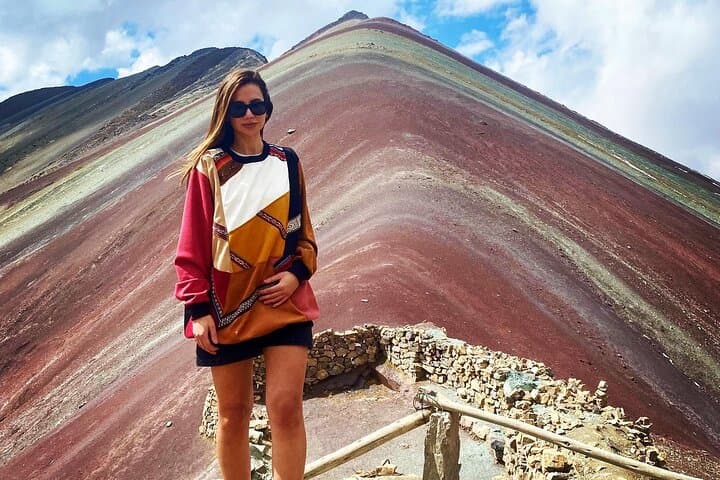
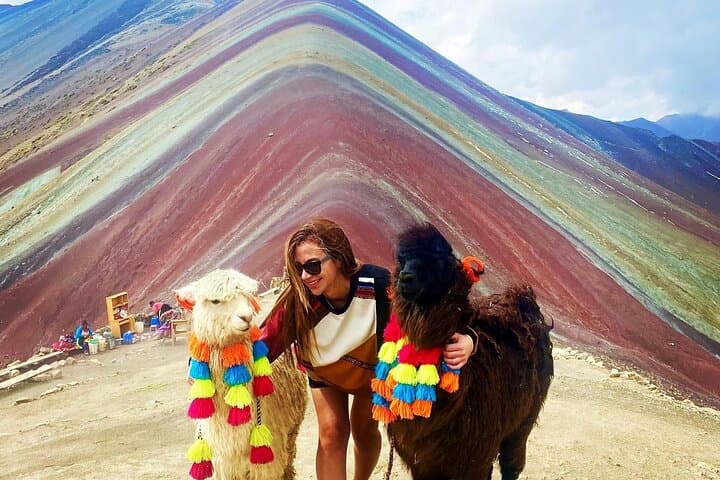
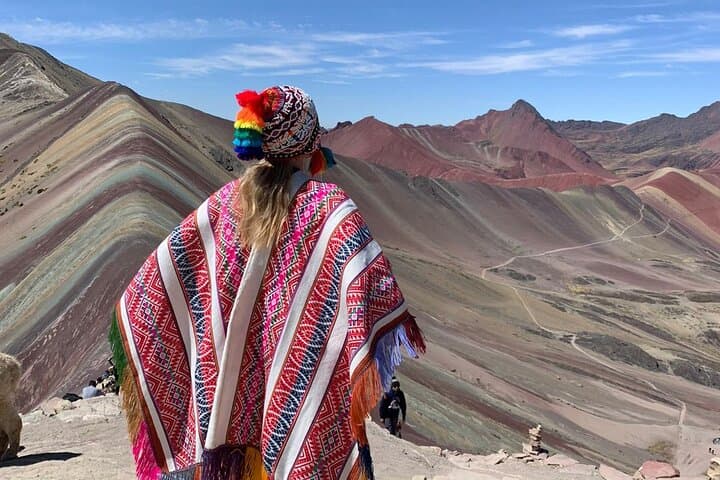
The bands of red, ochre, green and violet are sedimentary minerals exposed by glacial and wind erosion; iron, copper and sulfur tint layers laid down millions of years ago when this basin was under the sea. The route threads through puna grass, occasional scree and low stone walls made by local Quechua communities who have grazed this land for generations. Alpacas and llamas often wander the approach, and you’ll see locals selling woven goods and offering coca leaves—traditional aid for altitude.
Practically: expect a 10‑hour day with roughly 1.5–2 hours uphill from the high trailhead to the viewpoint and a similar return; group sizes are typically up to 20. The trail is high and exposed, with loose sections and strong sun; weather can shift rapidly from clear to windy or snow in colder months. Pack layers, sun protection, a full water bottle, and let your pace be steady—short breaks and controlled breathing matter more than speed at this altitude.
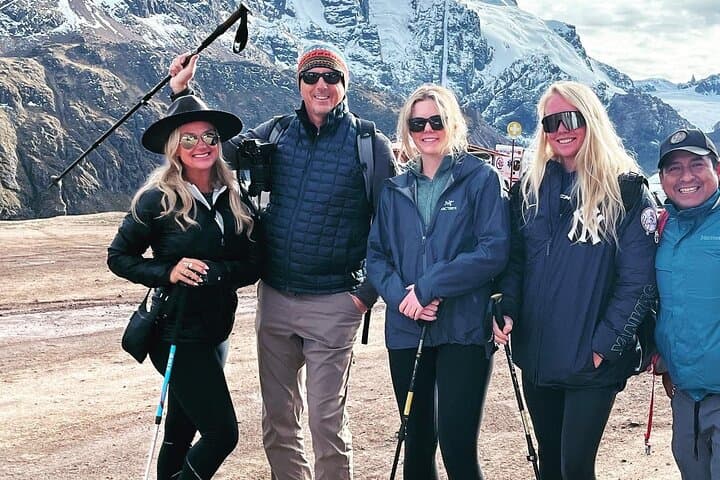
Most tours include breakfast, lunch, transport, a walking stick and a guide. Acclimatize in Cusco for 48 hours if possible, and be prepared to exchange plans if acute altitude symptoms appear.
challenging.
10 hours.
Should be comfortable walking uphill for 1–2 hours at high altitude; prior aerobic conditioning and acclimatization recommended
From the high trailhead the uphill walk to the viewpoint typically takes 1.5–2 hours each way depending on pace and acclimatization; total trip length including drives is about 10 hours.
Altitude effects are common above 4,500 m; acclimatize in Cusco for 48 hours, ascend slowly, stay hydrated, and descend immediately if severe symptoms occur.
Most one‑day tours include hotel pickup in Cusco, breakfast, lunch, transport, a guide and usually a walking stick; confirm inclusions when booking.
Tours typically advise against participation for pregnant travelers and those with serious heart or spinal conditions; check restrictions and consult a physician if unsure.
The slopes formed from ancient marine and fluvial sediments; contemporary Quechua communities have grazed and maintained these high pastures for centuries.
High visitor numbers stress fragile puna soils and local water sources; stick to trails, avoid littering, and buy crafts directly from local vendors to support the community.
Machu Picchu Peru Travel operates guided outdoor trips and adventures with an emphasis on safety, stewardship, and memorable experiences.
Dawn arrives cold and thin at 4:00 a.m. as vans roll out of Cusco toward the high puna. The road climbs through patchwork farmland and grazing llamas, and by the time the group breaks for breakfast in Cusipata the light is already sharpening the ridgelines. You reach the trailhead as the sun lifts over the Andes and begin the steady, oxygen-lean climb toward the banded slopes of Vinicunca—Rainbow Mountain—peaking around 5,080 meters.
Dawn arrives cold and thin at 4:00 a.m. as vans roll out of Cusco toward the high puna. The road climbs through patchwork farmland and grazing llamas, and by the time the group breaks for breakfast in Cusipata the light is already sharpening the ridgelines. You reach the trailhead as the sun lifts over the Andes and begin the steady, oxygen-lean climb toward the banded slopes of Vinicunca—Rainbow Mountain—peaking around 5,080 meters.
The bands of red, ochre, green and violet are sedimentary minerals exposed by glacial and wind erosion; iron, copper and sulfur tint layers laid down millions of years ago when this basin was under the sea. The route threads through puna grass, occasional scree and low stone walls made by local Quechua communities who have grazed this land for generations. Alpacas and llamas often wander the approach, and you’ll see locals selling woven goods and offering coca leaves—traditional aid for altitude.
Practically: expect a 10‑hour day with roughly 1.5–2 hours uphill from the high trailhead to the viewpoint and a similar return; group sizes are typically up to 20. The trail is high and exposed, with loose sections and strong sun; weather can shift rapidly from clear to windy or snow in colder months. Pack layers, sun protection, a full water bottle, and let your pace be steady—short breaks and controlled breathing matter more than speed at this altitude.
Most tours include breakfast, lunch, transport, a walking stick and a guide. Acclimatize in Cusco for 48 hours if possible, and be prepared to exchange plans if acute altitude symptoms appear.