THE ADVENTURE COLLECTIVE® · Independent discovery and booking for outdoor travel

A dramatic high-altitude hike to Vinicunca (Rainbow Mountain) that delivers striking mineral bands, Andean culture, and a strenuous but accessible ascent from Cusco. Read on for what to expect, how to prepare for altitude, and practical tips for the day trip.
A dramatic high-altitude hike to Vinicunca (Rainbow Mountain) that delivers striking mineral bands, Andean culture, and a strenuous but accessible ascent from Cusco. Read on for what to expect, how to prepare for altitude, and practical tips for the day trip.
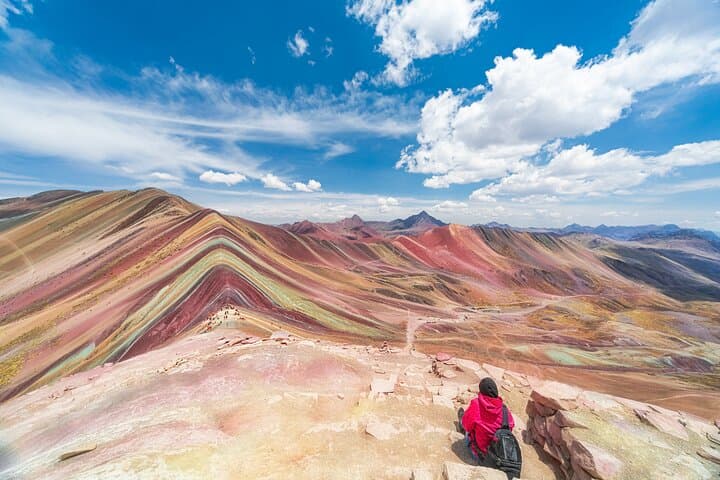
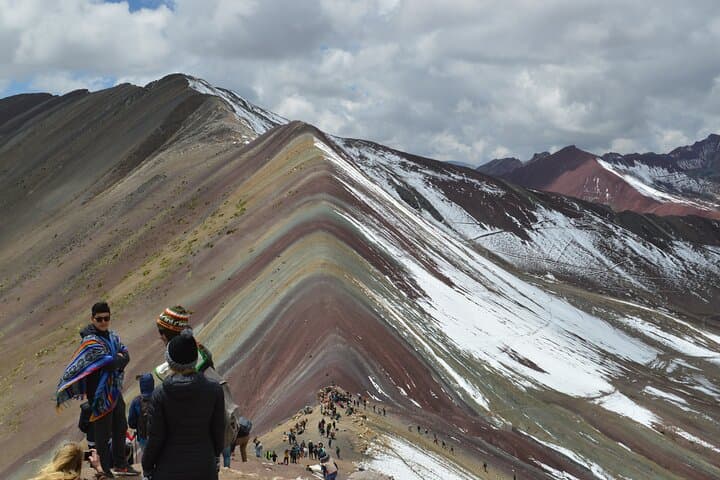
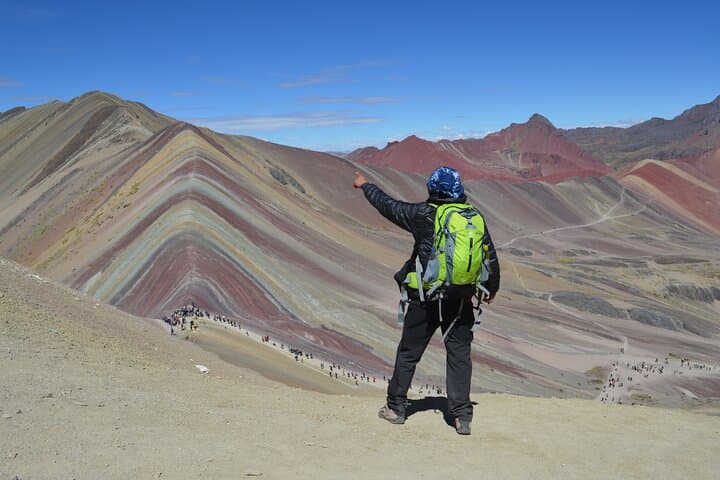
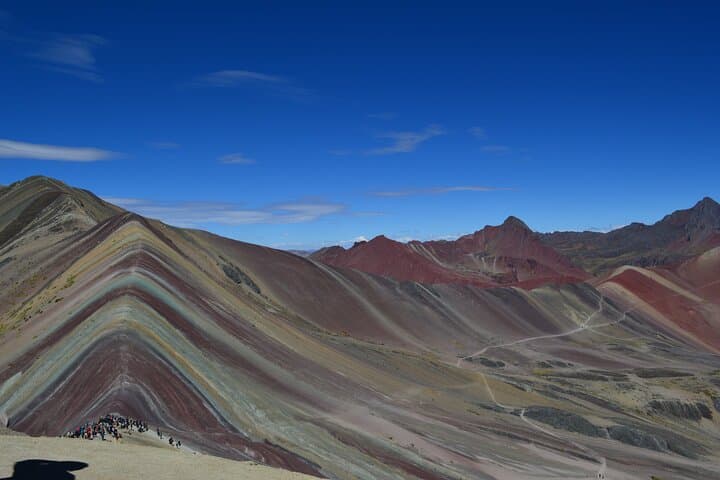
The morning air in the high Andes is thin and sharp; from the van window, Andean peaks unfold like a raw, wind-swept map. You arrive at the trailhead as local llamas graze and the first light pulls color out of the hills. The hike climbs steadily across tussock grass and stony switchbacks until the geology itself seems to rearrange—the layered iron and mineral bands of Vinicunca revealing streaks of red, ochre, green and violet that earned it the name “Rainbow Mountain.”
Verified experiences and guided adventures in the surrounding area.
Operated by Cusco Native Tours · Cusco, Cusco
The morning air in the high Andes is thin and sharp; from the van window, Andean peaks unfold like a raw, wind-swept map. You arrive at the trailhead as local llamas graze and the first light pulls color out of the hills. The hike climbs steadily across tussock grass and stony switchbacks until the geology itself seems to rearrange—the layered iron and mineral bands of Vinicunca revealing streaks of red, ochre, green and violet that earned it the name “Rainbow Mountain.”
This place sits on the eastern flank of the Andes, within the cultural landscape of Cusco and the Ausangate massif. The colors come from mineral oxidation in sedimentary layers uplifted by tectonic forces; nearby valleys hold pre-Inca pathways and small Quechua communities whose herding traditions persist. Guides often point out ancient terraces and explain the seasonal grazing cycles that shape local life.
Practically: plan for altitude. The roadside start already exceeds 4,200 m (13,780 ft), so a slow pace and extra water are non-negotiable. Trails are exposed and stony—good boots and trekking poles make the ascent steadier. Expect thin air to slow your heart rate and rhythm; many operators include breakfast, a short hike of 1.5–3 hours each way depending on stops, and lunch back near the vehicle. Weather changes fast—sun, wind, and snow can arrive in the same afternoon—so pack layers and sun protection. Photographers will want time at the summit for changing light; keep visits short and leave no trace so this fragile high-altitude landscape remains for the next group.
challenging.
10–12 hours (door-to-door).
Good aerobic fitness recommended; ability to walk on uneven, steep terrain at high altitude for several hours.
The uphill walk from the trailhead generally takes 1.5–3 hours depending on fitness and stops; return is typically quicker but still strenuous due to altitude.
Yes—many operators offer horse rental for sections of the ascent; horses can help but are not recommended for those with balance issues or severe altitude sickness.
Because the trail starts around 4,200 m and reaches higher, it’s not recommended for travelers with significant heart or respiratory conditions—consult a physician first.
Basic facilities and small stalls are available near the trailhead and parking area; operators usually include breakfast and lunch in the tour package.
Vinicunca’s colored strata result from millions of years of sedimentation and uplift; the area has long been part of Quechua seasonal grazing and pilgrimage routes tied to mountaintop reverence.
The site’s popularity stresses fragile high-altitude vegetation and soils—stay on marked trails, avoid littering, and use licensed guides to support local stewardship.
Cusco Native Tours operates guided outdoor trips and adventures with an emphasis on safety, stewardship, and memorable experiences.
The morning air in the high Andes is thin and sharp; from the van window, Andean peaks unfold like a raw, wind-swept map. You arrive at the trailhead as local llamas graze and the first light pulls color out of the hills. The hike climbs steadily across tussock grass and stony switchbacks until the geology itself seems to rearrange—the layered iron and mineral bands of Vinicunca revealing streaks of red, ochre, green and violet that earned it the name “Rainbow Mountain.”
The morning air in the high Andes is thin and sharp; from the van window, Andean peaks unfold like a raw, wind-swept map. You arrive at the trailhead as local llamas graze and the first light pulls color out of the hills. The hike climbs steadily across tussock grass and stony switchbacks until the geology itself seems to rearrange—the layered iron and mineral bands of Vinicunca revealing streaks of red, ochre, green and violet that earned it the name “Rainbow Mountain.”
This place sits on the eastern flank of the Andes, within the cultural landscape of Cusco and the Ausangate massif. The colors come from mineral oxidation in sedimentary layers uplifted by tectonic forces; nearby valleys hold pre-Inca pathways and small Quechua communities whose herding traditions persist. Guides often point out ancient terraces and explain the seasonal grazing cycles that shape local life.
Practically: plan for altitude. The roadside start already exceeds 4,200 m (13,780 ft), so a slow pace and extra water are non-negotiable. Trails are exposed and stony—good boots and trekking poles make the ascent steadier. Expect thin air to slow your heart rate and rhythm; many operators include breakfast, a short hike of 1.5–3 hours each way depending on stops, and lunch back near the vehicle. Weather changes fast—sun, wind, and snow can arrive in the same afternoon—so pack layers and sun protection. Photographers will want time at the summit for changing light; keep visits short and leave no trace so this fragile high-altitude landscape remains for the next group.