THE ADVENTURE COLLECTIVE® · Independent discovery and booking for outdoor travel

Leave Cusco before dawn to reach Vinicunca as morning light sharpens the mountain’s stripes. This full-day trek rises above 5,000 m through puna grasslands to reveal the mineral bands called Rainbow Mountain, with practical tips for acclimatization and what gear to pack.
Leave Cusco before dawn to reach Vinicunca as morning light sharpens the mountain’s stripes. This full-day trek rises above 5,000 m through puna grasslands to reveal the mineral bands called Rainbow Mountain, with practical tips for acclimatization and what gear to pack.
Dawn pulls the Andes into focus as the van climbs out of Cusco; breath fogs and the road slips past potato terraces and stone hamlets. By midmorning the air thins and the landscape opens to rust-red slopes and scattered herds of llamas. The final ridge, speckled with turquoise and ochre stripes, reveals itself slowly — the mountain seems to shift color as you approach.
Verified experiences and guided adventures in the surrounding area.
Operated by Andean Path Tours · Cusco, Cusco Region
Dawn pulls the Andes into focus as the van climbs out of Cusco; breath fogs and the road slips past potato terraces and stone hamlets. By midmorning the air thins and the landscape opens to rust-red slopes and scattered herds of llamas. The final ridge, speckled with turquoise and ochre stripes, reveals itself slowly — the mountain seems to shift color as you approach.
Geologically the bands are layers of mineral deposits: iron oxides, copper salts and other sediments compressed over millennia. Culturally this landscape sits in the shadow of Ausangate, an Andean apu or sacred mountain, and local Quechua communities still graze alpacas and maintain highland traditions you’ll glimpse on the trail.
Expect a high-altitude day trek from a trailhead around 4,300–4,600 m up to Vinicunca near 5,020 m, with roughly 500–700 m of elevation gain and steep, stony switchbacks that take about 1.5–3 hours each way depending on pace and acclimatization. Terrain is puna grassland, compacted dirt and scree; weather can flip from bright sun to wind and snow in the same afternoon.
Practical notes: acclimatize in Cusco for 48–72 hours, layer aggressively, carry water and sun protection, and consider trekking poles or a horse for the steeper sections. The tour typically includes breakfast, lunch, entrance fees, transport and a guide, plus oxygen and first aid on board. Aim for an early start to avoid crowds and to catch the strongest colors in clean morning light.
moderate.
10 hours.
Good cardiovascular fitness recommended; must be acclimatized to high altitude and able to hike on steep, uneven ground for several hours.
The hike is moderately strenuous due to steep sections and high altitude; most people complete it with proper acclimatization and a steady pace.
Independent visits are possible but most visitors take organized tours from Cusco for transport, entrance logistics and safety at altitude.
Dry season months (May–September) have more stable weather and clearer skies, though mornings are cold and afternoons can still change quickly.
Yes, local horse rentals are commonly offered for part of the ascent; evaluate your balance and the horse’s condition before accepting.
Vinicunca sits within a landscape shaped by glacial and fluvial processes and is culturally tied to Andean cosmology; nearby communities maintain centuries-old grazing and weaving traditions.
The puna is fragile; stick to established trails, avoid trampling vegetation and pack out all waste to protect the highland ecosystem.
Andean Path Tours operates guided outdoor trips and adventures with an emphasis on safety, stewardship, and memorable experiences.
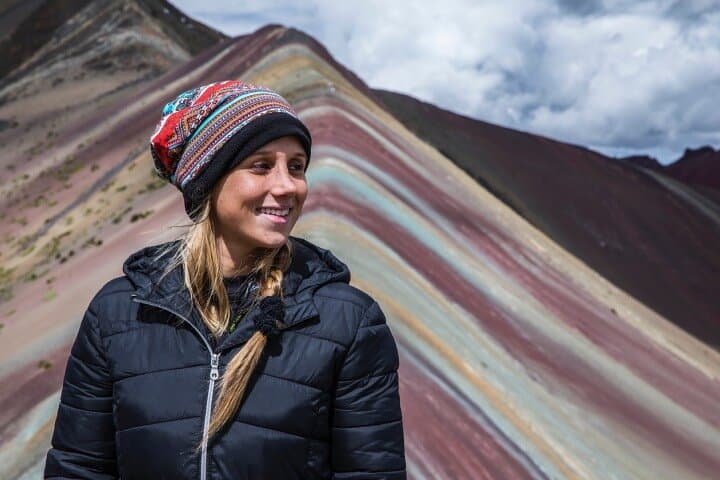
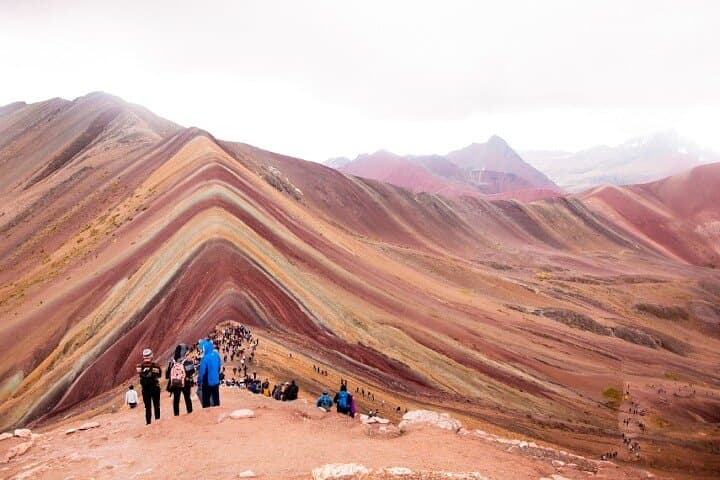
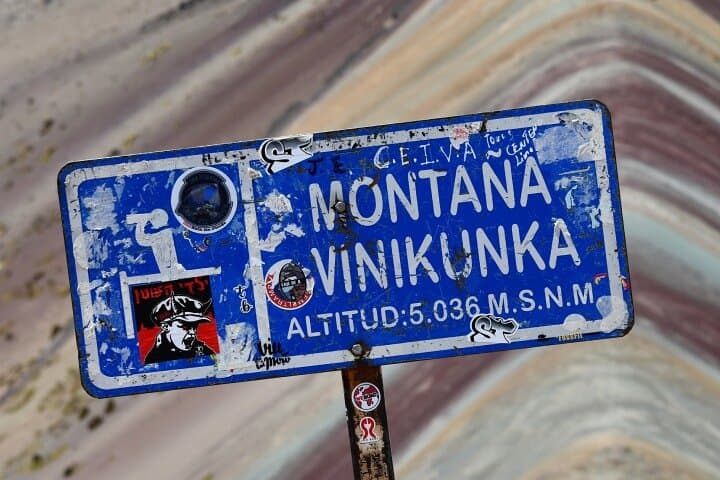
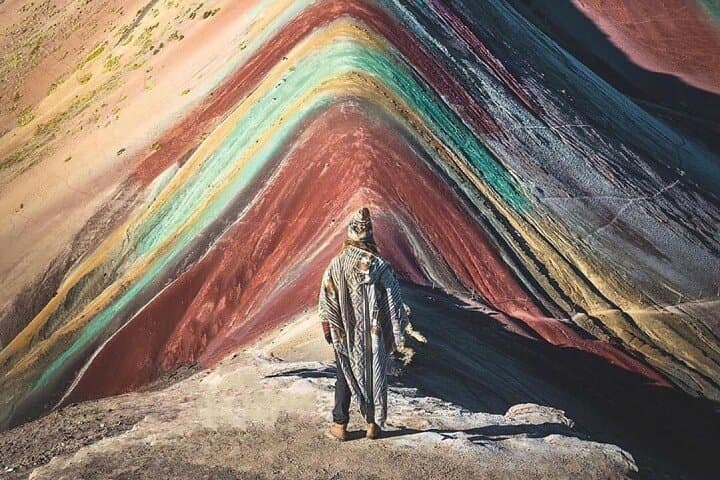
Dawn pulls the Andes into focus as the van climbs out of Cusco; breath fogs and the road slips past potato terraces and stone hamlets. By midmorning the air thins and the landscape opens to rust-red slopes and scattered herds of llamas. The final ridge, speckled with turquoise and ochre stripes, reveals itself slowly — the mountain seems to shift color as you approach.
Dawn pulls the Andes into focus as the van climbs out of Cusco; breath fogs and the road slips past potato terraces and stone hamlets. By midmorning the air thins and the landscape opens to rust-red slopes and scattered herds of llamas. The final ridge, speckled with turquoise and ochre stripes, reveals itself slowly — the mountain seems to shift color as you approach.
Geologically the bands are layers of mineral deposits: iron oxides, copper salts and other sediments compressed over millennia. Culturally this landscape sits in the shadow of Ausangate, an Andean apu or sacred mountain, and local Quechua communities still graze alpacas and maintain highland traditions you’ll glimpse on the trail.
Expect a high-altitude day trek from a trailhead around 4,300–4,600 m up to Vinicunca near 5,020 m, with roughly 500–700 m of elevation gain and steep, stony switchbacks that take about 1.5–3 hours each way depending on pace and acclimatization. Terrain is puna grassland, compacted dirt and scree; weather can flip from bright sun to wind and snow in the same afternoon.
Practical notes: acclimatize in Cusco for 48–72 hours, layer aggressively, carry water and sun protection, and consider trekking poles or a horse for the steeper sections. The tour typically includes breakfast, lunch, entrance fees, transport and a guide, plus oxygen and first aid on board. Aim for an early start to avoid crowds and to catch the strongest colors in clean morning light.