THE ADVENTURE COLLECTIVE® · Independent discovery and booking for outdoor travel

A full-day private hike from Cusco to Vinicunca (Rainbow Mountain) that climbs to about 17,000 ft for panoramic, mineral-streaked ridgelines. Expect steep trails, thin air, and vivid photo opportunities with local Quechua communities along the route.
A full-day private hike from Cusco to Vinicunca (Rainbow Mountain) that climbs to about 17,000 ft for panoramic, mineral-streaked ridgelines. Expect steep trails, thin air, and vivid photo opportunities with local Quechua communities along the route.
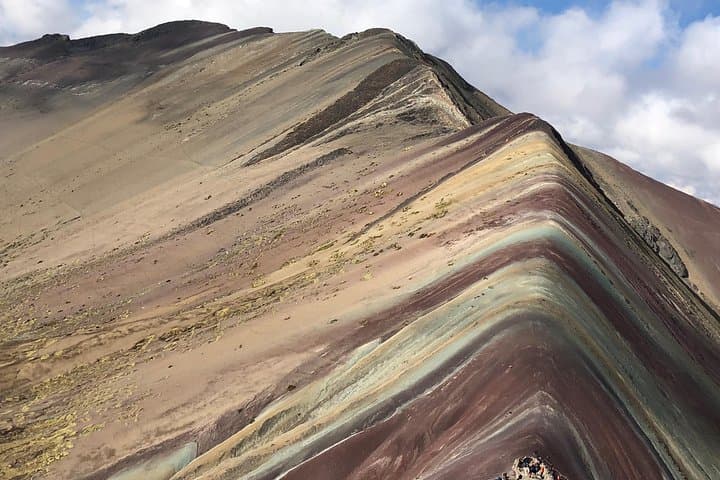
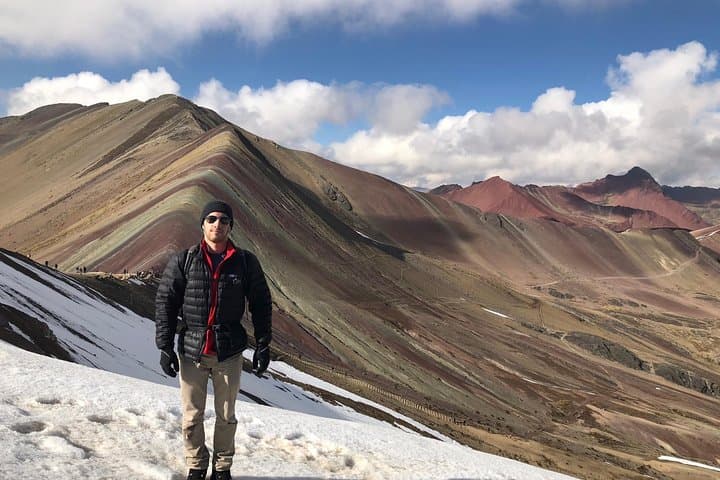
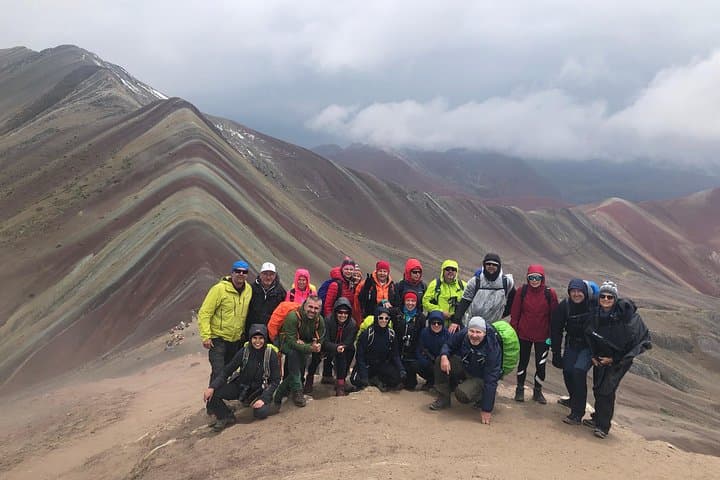
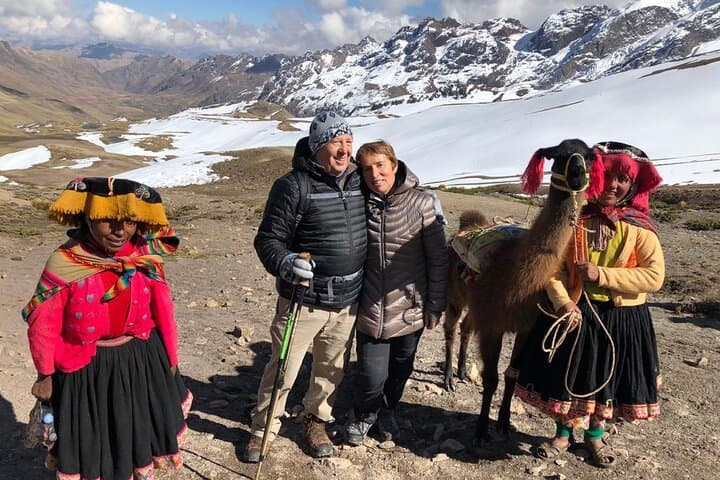
You step out of the van while the Andes breathe cold air into your face — a hard, thin breath that makes each step count. Above the cluster of hikers, the slopes of Vinicunca run in bands of ochre, rust, and pale teal, their colors sharpened by high-altitude light. Llamas graze the valleys below and small streams stitch ice-melt into the puna grass.
Verified experiences and guided adventures in the surrounding area.
Operated by Amazing Andean Adventures · Cusco, Cusco
You step out of the van while the Andes breathe cold air into your face — a hard, thin breath that makes each step count. Above the cluster of hikers, the slopes of Vinicunca run in bands of ochre, rust, and pale teal, their colors sharpened by high-altitude light. Llamas graze the valleys below and small streams stitch ice-melt into the puna grass.
Geology here is recent on a deep timescale: mineral-laden sediments folded and uplifted by the same tectonics that birthed the Andes. Oxidized iron, copper, and other minerals paint the ridgeline; seasonal snow and wind reveal and hide those layers. The communities around Cusipata and Chillihuani are Quechua-speaking; shepherding and alpaca fiber remain everyday work, and local guides often share stories about the land and rituals tied to the mountains.
Practicality rules the day: an early hotel pickup from Cusco, a short drive south, then a 3–4 hour round-trip hike from the trailhead at Fulawasi to the viewpoint near 5,180 m (≈17,000 ft). Expect thin air, steep switchbacks, and cold winds at the summit. Hydrate well, move deliberately, and use trekking poles if you have them; altitude, not technical difficulty, is the main challenge.
Photos are spectacular in the morning when low light deepens colors, but be prepared for rapidly changing weather. Respect grazing areas, stick to the trail, and tip your guide — they help make the day both safe and culturally useful for local families.
challenging.
9 hours (full day).
Should have moderate to good aerobic fitness and prior hiking experience at altitude; acclimatization recommended
The full excursion is typically a 9-hour day including transport; the trail is steep but non-technical — altitude makes it challenging rather than technical.
Children and older adults can participate if fit and acclimatized, but those with cardiovascular or spinal conditions are advised not to join.
The dry season (May–September) offers the most stable weather and clearer views; the wet season brings muddy trails and washouts.
Some local operators offer horse support for parts of the ascent, but availability varies and horses may not be suitable for those with back issues.
The area sits within Quechua-speaking communities whose highland pastoralism dates back centuries; the colored strata are a result of sedimentary minerals exposed by uplift.
The puna ecosystem is fragile and erosion-prone; stay on designated trails, avoid leaving waste, and favor guides who support community-based tourism.
Amazing Andean Adventures operates guided outdoor trips and adventures with an emphasis on safety, stewardship, and memorable experiences.
You step out of the van while the Andes breathe cold air into your face — a hard, thin breath that makes each step count. Above the cluster of hikers, the slopes of Vinicunca run in bands of ochre, rust, and pale teal, their colors sharpened by high-altitude light. Llamas graze the valleys below and small streams stitch ice-melt into the puna grass.
You step out of the van while the Andes breathe cold air into your face — a hard, thin breath that makes each step count. Above the cluster of hikers, the slopes of Vinicunca run in bands of ochre, rust, and pale teal, their colors sharpened by high-altitude light. Llamas graze the valleys below and small streams stitch ice-melt into the puna grass.
Geology here is recent on a deep timescale: mineral-laden sediments folded and uplifted by the same tectonics that birthed the Andes. Oxidized iron, copper, and other minerals paint the ridgeline; seasonal snow and wind reveal and hide those layers. The communities around Cusipata and Chillihuani are Quechua-speaking; shepherding and alpaca fiber remain everyday work, and local guides often share stories about the land and rituals tied to the mountains.
Practicality rules the day: an early hotel pickup from Cusco, a short drive south, then a 3–4 hour round-trip hike from the trailhead at Fulawasi to the viewpoint near 5,180 m (≈17,000 ft). Expect thin air, steep switchbacks, and cold winds at the summit. Hydrate well, move deliberately, and use trekking poles if you have them; altitude, not technical difficulty, is the main challenge.
Photos are spectacular in the morning when low light deepens colors, but be prepared for rapidly changing weather. Respect grazing areas, stick to the trail, and tip your guide — they help make the day both safe and culturally useful for local families.