THE ADVENTURE COLLECTIVE® · Independent discovery and booking for outdoor travel

A high‑altitude day hike from Cusco to Vinicunca (Rainbow Mountain) that combines geological spectacle with Quechua highland culture. Learn what to expect on the trail, how to handle the elevation, and practical tips for timing and gear.
A high‑altitude day hike from Cusco to Vinicunca (Rainbow Mountain) that combines geological spectacle with Quechua highland culture. Learn what to expect on the trail, how to handle the elevation, and practical tips for timing and gear.
Before dawn the van slides out of Cusco and into a hard, parked sky. By the time you reach the high puna the air is thin, cold, and clear: a long sweep of scrub, grazing alpacas and the stony flank of Ausangate cutting the horizon. From Chillihuani (about 4,600 m) the trail climbs along red and ochre scree toward Vinicunca, the so‑called Rainbow Mountain, where layered mineral bands stripe a steep ridge at 5,036 m.
Verified experiences and guided adventures in the surrounding area.
Operated by Machu Picchu Amazon Peru · Cusco, Cusco
Before dawn the van slides out of Cusco and into a hard, parked sky. By the time you reach the high puna the air is thin, cold, and clear: a long sweep of scrub, grazing alpacas and the stony flank of Ausangate cutting the horizon. From Chillihuani (about 4,600 m) the trail climbs along red and ochre scree toward Vinicunca, the so‑called Rainbow Mountain, where layered mineral bands stripe a steep ridge at 5,036 m.
Geology here reads like a page of earth history—iron oxides, clay and other minerals compacted and uplifted by tectonic forces and glacial action. Culturally the route crosses Quechua communities that still herd llamas and tend high‑altitude potato varieties; the mountain and surrounding passes are part of a living Andean landscape with ritual significance to local people.
Expect roughly 1–1.5 hours of ascent from the park gate with a similar descent—terrain alternates packed dirt, loose scree and short steeper pitches. Altitude, not technical difficulty, is the main challenge; many operators supply oxygen canisters and a guide who explains the colored strata and local stories.
Practical guidance: start early to avoid crowds and afternoon weather, carry layered insulation and sun protection, and hydrate in the days before travel. Move deliberately on the final rise—short, measured steps reduce breathlessness. Allow time for acclimatization in Cusco (3,400 m) before this day trip; if you have cardiovascular or pregnancy concerns, skip it. At the summit you’ll have 30–60 minutes for photos before the return drive to Cusipata and back to Cusco mid‑evening.
challenging.
6–8 hours.
Should have moderate to strong cardiovascular fitness and the ability to hike at high altitude for 2–3 hours with breaks
The trail is non‑technical but challenging due to altitude—expect 1–1.5 hours to ascend from the park gate with steep sections and loose scree.
Horses are sometimes available locally for part of the ascent; many operators bring oxygen canisters for emergencies—ask at booking and confirm availability on the day.
The dry season (May–September) offers the most stable weather and clearer views; afternoons can cloud up during the rainy season (November–March).
No—this trip is not recommended for pregnant travelers or people with cardiovascular issues due to high altitude and exertion.
The area sits on traditional Quechua grazing lands below Ausangate; mountains here have been part of Andean ritual landscapes for centuries.
The high puna is fragile—stay on marked trails, avoid trampling vegetation, and pack out all waste to limit erosion and preserve fragile soils.
Machu Picchu Amazon Peru operates guided outdoor trips and adventures with an emphasis on safety, stewardship, and memorable experiences.
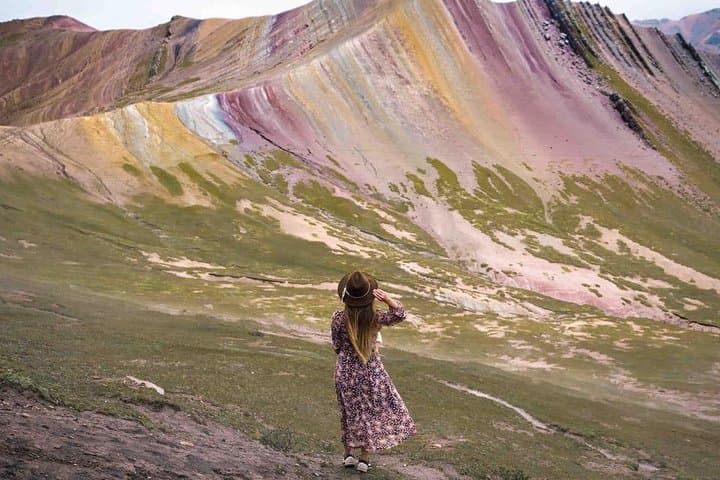
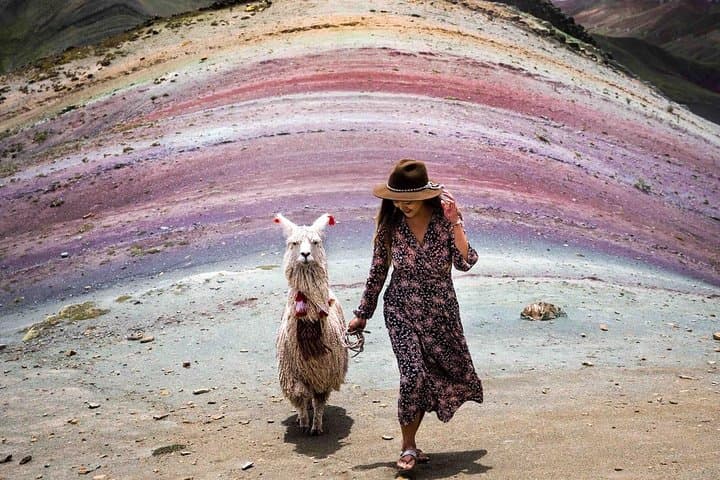
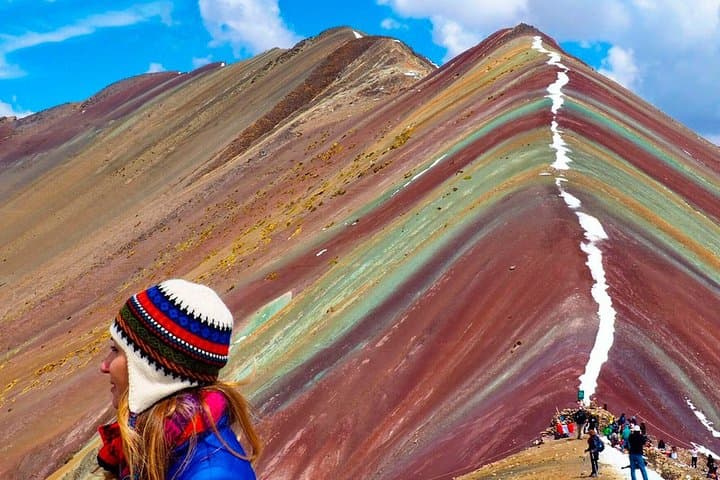
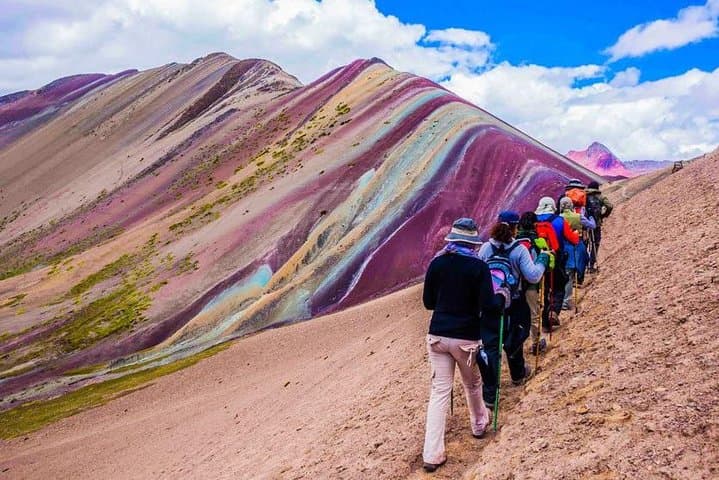
Before dawn the van slides out of Cusco and into a hard, parked sky. By the time you reach the high puna the air is thin, cold, and clear: a long sweep of scrub, grazing alpacas and the stony flank of Ausangate cutting the horizon. From Chillihuani (about 4,600 m) the trail climbs along red and ochre scree toward Vinicunca, the so‑called Rainbow Mountain, where layered mineral bands stripe a steep ridge at 5,036 m.
Before dawn the van slides out of Cusco and into a hard, parked sky. By the time you reach the high puna the air is thin, cold, and clear: a long sweep of scrub, grazing alpacas and the stony flank of Ausangate cutting the horizon. From Chillihuani (about 4,600 m) the trail climbs along red and ochre scree toward Vinicunca, the so‑called Rainbow Mountain, where layered mineral bands stripe a steep ridge at 5,036 m.
Geology here reads like a page of earth history—iron oxides, clay and other minerals compacted and uplifted by tectonic forces and glacial action. Culturally the route crosses Quechua communities that still herd llamas and tend high‑altitude potato varieties; the mountain and surrounding passes are part of a living Andean landscape with ritual significance to local people.
Expect roughly 1–1.5 hours of ascent from the park gate with a similar descent—terrain alternates packed dirt, loose scree and short steeper pitches. Altitude, not technical difficulty, is the main challenge; many operators supply oxygen canisters and a guide who explains the colored strata and local stories.
Practical guidance: start early to avoid crowds and afternoon weather, carry layered insulation and sun protection, and hydrate in the days before travel. Move deliberately on the final rise—short, measured steps reduce breathlessness. Allow time for acclimatization in Cusco (3,400 m) before this day trip; if you have cardiovascular or pregnancy concerns, skip it. At the summit you’ll have 30–60 minutes for photos before the return drive to Cusipata and back to Cusco mid‑evening.