THE ADVENTURE COLLECTIVE® · Independent discovery and booking for outdoor travel

A full-day guided hike from Cusco to Vinicunca (Rainbow Mountain) that trades distance for altitude: reach 5,200 m for a striking banded landscape formed by mineral-rich layers. This guide covers what to expect, how to prepare, and local insights to make the most of the day.
A full-day guided hike from Cusco to Vinicunca (Rainbow Mountain) that trades distance for altitude: reach 5,200 m for a striking banded landscape formed by mineral-rich layers. This guide covers what to expect, how to prepare, and local insights to make the most of the day.
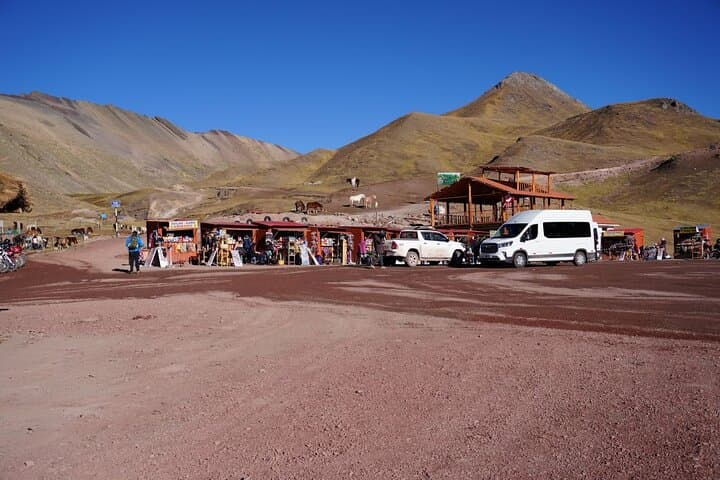
Dawn breaks over the high Andes and the bus rolls out of Cusco into thinning air and expanding sky. By mid-morning you arrive at the trailhead and the landscape opens — wind-polished ridges, low scrub, and the distant shoulder of Vinicunca. The walk is short in distance but uncompromising in elevation: the final crest sits around 5,200 m, where color bands of iron, copper and sulfates stare back like painted cliffs.
Verified experiences and guided adventures in the surrounding area.
Operated by Machupicchu Jungle · Cusco, Cusco Region
Dawn breaks over the high Andes and the bus rolls out of Cusco into thinning air and expanding sky. By mid-morning you arrive at the trailhead and the landscape opens — wind-polished ridges, low scrub, and the distant shoulder of Vinicunca. The walk is short in distance but uncompromising in elevation: the final crest sits around 5,200 m, where color bands of iron, copper and sulfates stare back like painted cliffs.
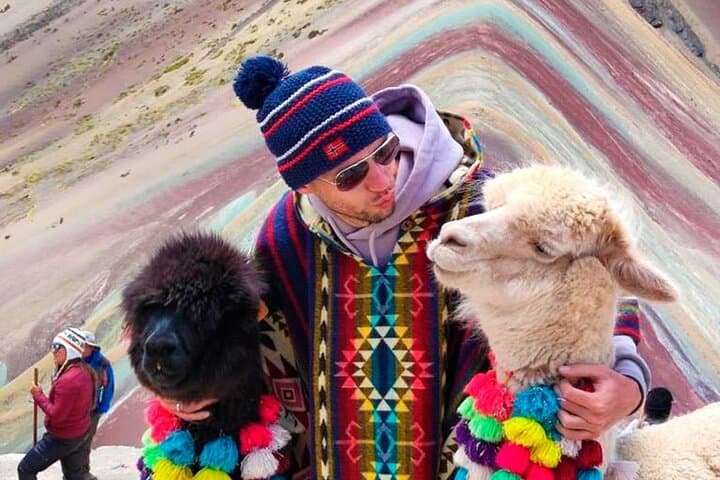
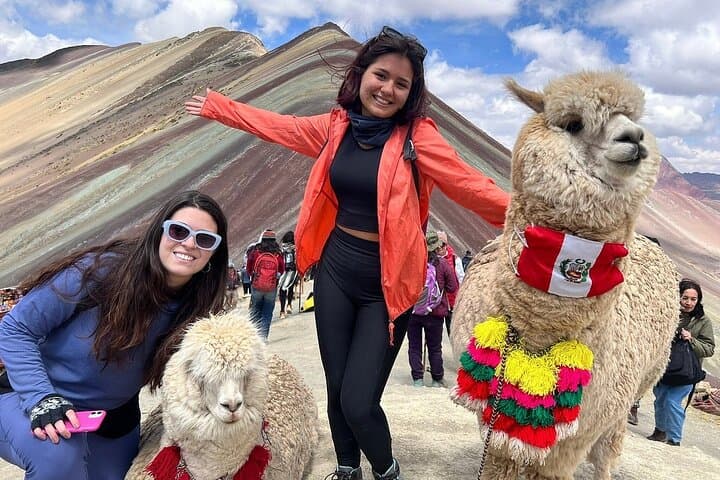
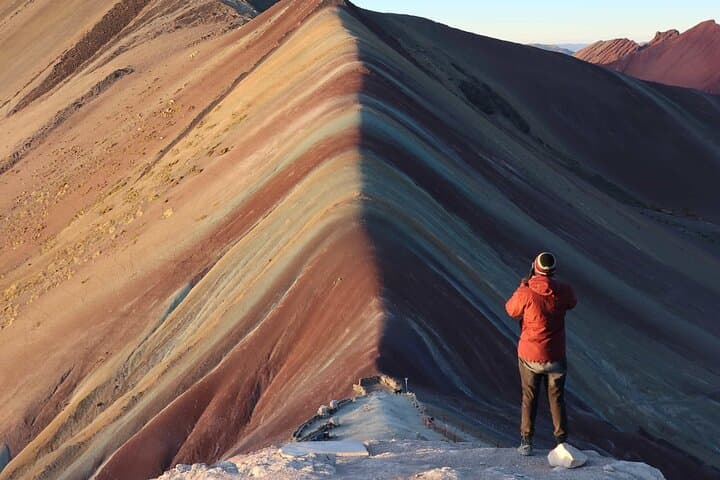
Geology here is literal storytelling. Layers of sediment, uplifted by the same tectonic forces that built the Andes, oxidized and weathered into stripes of rust, ochre, turquoise and lavender. The Quechua communities in the Ausangate region have grazed llamas and kept mountain rites for centuries; you’ll notice alpaca herders and stone corrals on the way. Guides usually explain both the mineral origins and local customs while monitoring for altitude stress.
Practicalities matter: expect a long day (12–14 hours door-to-door), rough trail with switchbacks and scree, and dramatic temperature swings. Acclimatize in Cusco for 48–72 hours, drink plenty of water, move at a steady pace and use walking poles on the steeper sections. Bring layered clothing, sunscreen, high-calorie snacks and a backup plan if the weather closes in — high-altitude storms can come on fast.
The reward is compact and unmistakable: standing at the rim, wind tugging at your jacket, colors shifting with sun and shadow. It’s vivid, fragile and best experienced with respect for the landscape and the communities that live here.
challenging.
12–14 hours (door-to-door).
Good cardiovascular fitness and prior moderate hiking experience recommended; ability to walk uphill for 1–2 hours at high altitude.
Physically it’s a short hike (about 1–2 hours each way) but the elevation makes it strenuous—expect reduced pace and breathlessness; acclimatization is the best preparation.
Basic facilities are available near checkpoints and small roadside stops, but not at the summit; bring toilet paper and hand sanitizer.
Entrance to Vinicunca requires a paid park fee collected at checkpoints; most tours include this in the itinerary or handle payment on your behalf.
Tours may cancel for heavy rain or snow for safety; weather can change rapidly at 5,200 m, so flexible planning is essential.
Vinicunca’s colorful exposure became internationally famous in the past decade due to increased tourism; the ridge itself sits in an area long used by Quechua herders tied to Ausangate traditions.
The area is ecologically fragile and suffers from trail erosion and litter; stick to paths, pack out waste and support local guides and community initiatives.
Machupicchu Jungle operates guided outdoor trips and adventures with an emphasis on safety, stewardship, and memorable experiences.
Dawn breaks over the high Andes and the bus rolls out of Cusco into thinning air and expanding sky. By mid-morning you arrive at the trailhead and the landscape opens — wind-polished ridges, low scrub, and the distant shoulder of Vinicunca. The walk is short in distance but uncompromising in elevation: the final crest sits around 5,200 m, where color bands of iron, copper and sulfates stare back like painted cliffs.
Dawn breaks over the high Andes and the bus rolls out of Cusco into thinning air and expanding sky. By mid-morning you arrive at the trailhead and the landscape opens — wind-polished ridges, low scrub, and the distant shoulder of Vinicunca. The walk is short in distance but uncompromising in elevation: the final crest sits around 5,200 m, where color bands of iron, copper and sulfates stare back like painted cliffs.
Geology here is literal storytelling. Layers of sediment, uplifted by the same tectonic forces that built the Andes, oxidized and weathered into stripes of rust, ochre, turquoise and lavender. The Quechua communities in the Ausangate region have grazed llamas and kept mountain rites for centuries; you’ll notice alpaca herders and stone corrals on the way. Guides usually explain both the mineral origins and local customs while monitoring for altitude stress.
Practicalities matter: expect a long day (12–14 hours door-to-door), rough trail with switchbacks and scree, and dramatic temperature swings. Acclimatize in Cusco for 48–72 hours, drink plenty of water, move at a steady pace and use walking poles on the steeper sections. Bring layered clothing, sunscreen, high-calorie snacks and a backup plan if the weather closes in — high-altitude storms can come on fast.
The reward is compact and unmistakable: standing at the rim, wind tugging at your jacket, colors shifting with sun and shadow. It’s vivid, fragile and best experienced with respect for the landscape and the communities that live here.