THE ADVENTURE COLLECTIVE® · Independent discovery and booking for outdoor travel

Trek from Cusco to Vinicunca—Rainbow Mountain—and Red Valley in a full-day high-altitude hike that combines stark geology, Quechua highland culture, and dramatic mountain views. This practical guide covers what to expect, how to prepare, and the key logistics for a safe, rewarding day on the trail.
Trek from Cusco to Vinicunca—Rainbow Mountain—and Red Valley in a full-day high-altitude hike that combines stark geology, Quechua highland culture, and dramatic mountain views. This practical guide covers what to expect, how to prepare, and the key logistics for a safe, rewarding day on the trail.
At first light the minivan threads out of Cusco and the Andes open up: rusted ridgelines, a thin blue sky, and the banded flank of Vinicunca—Rainbow Mountain—unfurling beneath the glaciers of Ausangate.
Verified experiences and guided adventures in the surrounding area.
Operated by Machu Picchu by Locals · Cusco, Cusco
At first light the minivan threads out of Cusco and the Andes open up: rusted ridgelines, a thin blue sky, and the banded flank of Vinicunca—Rainbow Mountain—unfurling beneath the glaciers of Ausangate.
The trail pushes through puna grass and small Quechua hamlets where alpacas graze and locals mend woven garments. The stripes you see are geological chapters—iron oxides, chlorites and sulfates stacked and exposed by glacial scraping and millennia of uplift—now painted across a high saddle that weather and meltwater keep revealing.
Culturally the route follows long-standing herding tracks; vendors and families still work the passes, offering coca tea and simple snacks to trekkers. The hike itself is honest: steep pitches, loose scree, and sustained climbing to 5,000+ meters where the air is thin and every step asks for patience.
Practical guidance is straightforward. Depart very early from Cusco, spend at least a day acclimatizing in the city, and carry cash for the entry ticket and local stalls. Dress in layers—sun is intense and wind switches fast—and use trekking poles to steady descents. The operator typically includes pickup, breakfast, lunch, the Vinicunca ticket and oxygen on site, but spare batteries and water are worth packing; cold drains electronics and thirst comes quicker at altitude.
Finish with respect: stick to the path, leave no litter, and give space to shepherds and wildlife. The reward is clear: sweeping Andean panoramas, red valleys, and up-close encounters with a living highland landscape.
moderate.
10–12 hours.
Moderate aerobic fitness recommended; brief bouts of steep climbing and prolonged walking at altitude require good cardiovascular conditioning.
Expect a 10–12 hour day with very early pickup (often 3:00–4:00 AM) from Cusco to arrive at trailheads before midday.
Yes—because the summit exceeds 5,000 m, spend at least one full day in Cusco and monitor for altitude symptoms; the operator carries oxygen as a precaution.
Most operators include round-trip transport from Cusco, breakfast, lunch, the Rainbow Mountain admission ticket and access to oxygen if needed—confirm specifics at booking.
Dry season (May–September) offers more reliable skies and firmer trails; the wet season (December–March) brings thicker cloud and slippery conditions.
The trail follows ancestral herding and footpaths used by Quechua communities for centuries; the area sits within traditional grazing lands below Ausangate.
This high-altitude environment is fragile—stay on marked trails, pack out waste, and support local guides who prioritize low-impact practices.
Machu Picchu by Locals operates guided outdoor trips and adventures with an emphasis on safety, stewardship, and memorable experiences.
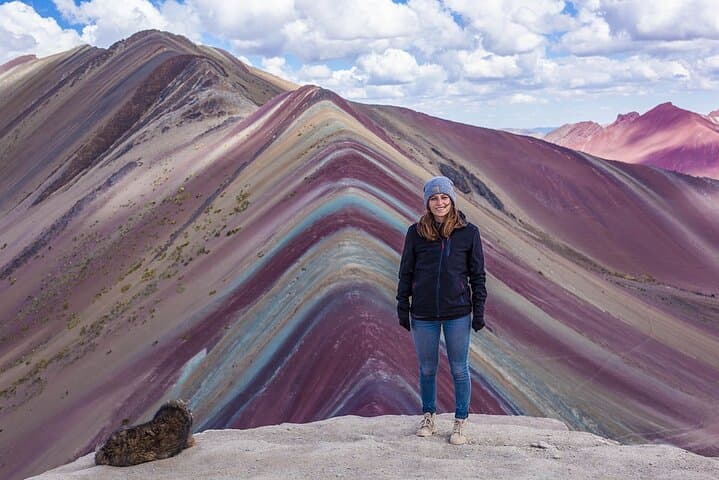
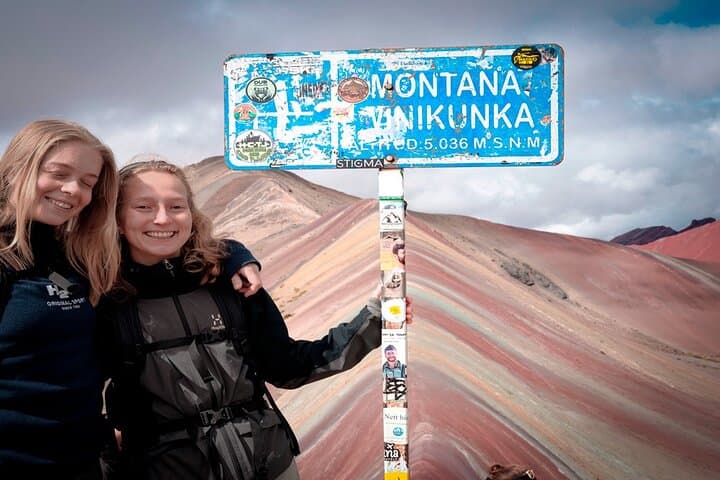
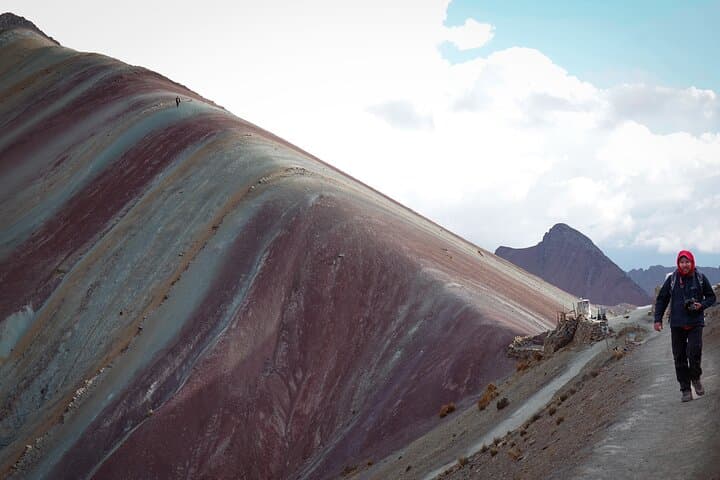
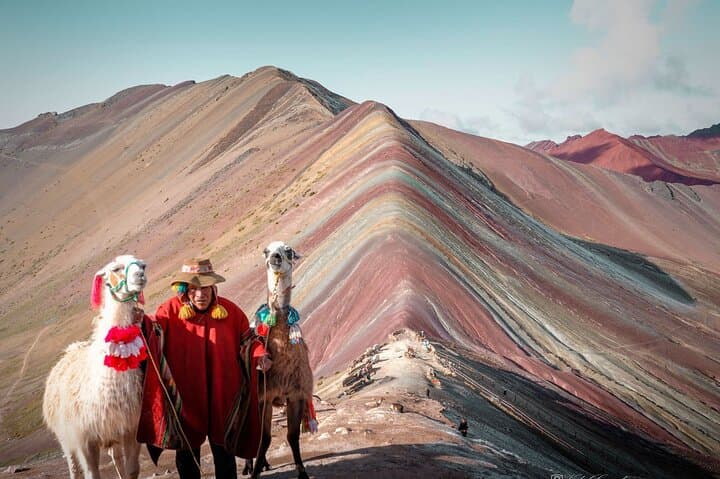
At first light the minivan threads out of Cusco and the Andes open up: rusted ridgelines, a thin blue sky, and the banded flank of Vinicunca—Rainbow Mountain—unfurling beneath the glaciers of Ausangate.
At first light the minivan threads out of Cusco and the Andes open up: rusted ridgelines, a thin blue sky, and the banded flank of Vinicunca—Rainbow Mountain—unfurling beneath the glaciers of Ausangate.
The trail pushes through puna grass and small Quechua hamlets where alpacas graze and locals mend woven garments. The stripes you see are geological chapters—iron oxides, chlorites and sulfates stacked and exposed by glacial scraping and millennia of uplift—now painted across a high saddle that weather and meltwater keep revealing.
Culturally the route follows long-standing herding tracks; vendors and families still work the passes, offering coca tea and simple snacks to trekkers. The hike itself is honest: steep pitches, loose scree, and sustained climbing to 5,000+ meters where the air is thin and every step asks for patience.
Practical guidance is straightforward. Depart very early from Cusco, spend at least a day acclimatizing in the city, and carry cash for the entry ticket and local stalls. Dress in layers—sun is intense and wind switches fast—and use trekking poles to steady descents. The operator typically includes pickup, breakfast, lunch, the Vinicunca ticket and oxygen on site, but spare batteries and water are worth packing; cold drains electronics and thirst comes quicker at altitude.
Finish with respect: stick to the path, leave no litter, and give space to shepherds and wildlife. The reward is clear: sweeping Andean panoramas, red valleys, and up-close encounters with a living highland landscape.