THE ADVENTURE COLLECTIVE® · Independent discovery and booking for outdoor travel

A full-day trek from Cusco to Vinicunca (Rainbow Mountain) climbs above 13,000 ft to reveal vivid mineral bands, Andean wildlife, and Ausangate’s glaciated skyline. This guide covers what you’ll see, how to prepare for altitude and terrain, and practical tips for timing and gear.
A full-day trek from Cusco to Vinicunca (Rainbow Mountain) climbs above 13,000 ft to reveal vivid mineral bands, Andean wildlife, and Ausangate’s glaciated skyline. This guide covers what you’ll see, how to prepare for altitude and terrain, and practical tips for timing and gear.
You step out before dawn in Cusco, the air thin and bright, and the minivan hums through Andean villages as light spills across terraced hills. By the time breakfast warms your hands, the trailhead sits at roughly 4,000 m (13,100 ft) and a two-hour climb awaits — a steady uphill through pumice scree, grassy slopes, and pockets of grazing llamas.
Verified experiences and guided adventures in the surrounding area.
Operated by Machupicchu USA · Cusco, Cusco
You step out before dawn in Cusco, the air thin and bright, and the minivan hums through Andean villages as light spills across terraced hills. By the time breakfast warms your hands, the trailhead sits at roughly 4,000 m (13,100 ft) and a two-hour climb awaits — a steady uphill through pumice scree, grassy slopes, and pockets of grazing llamas.
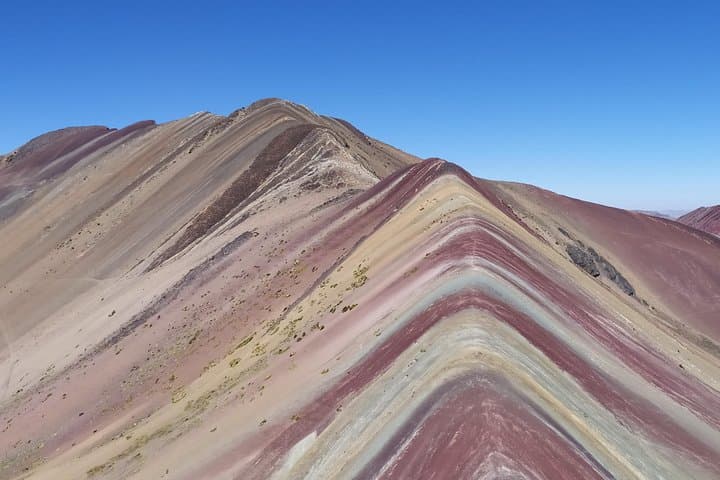
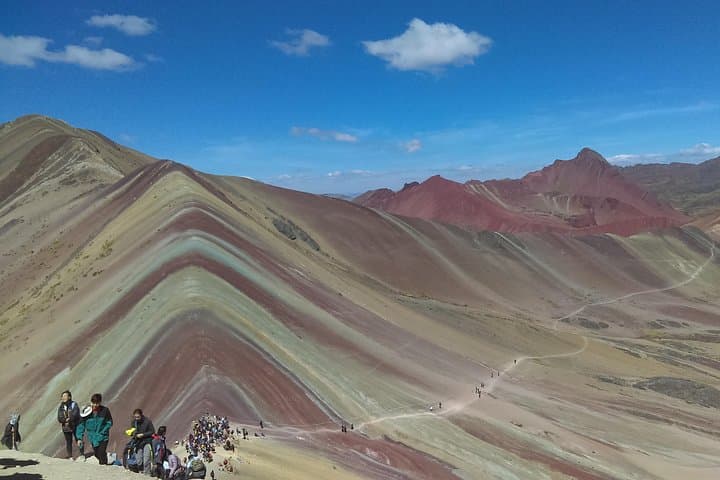
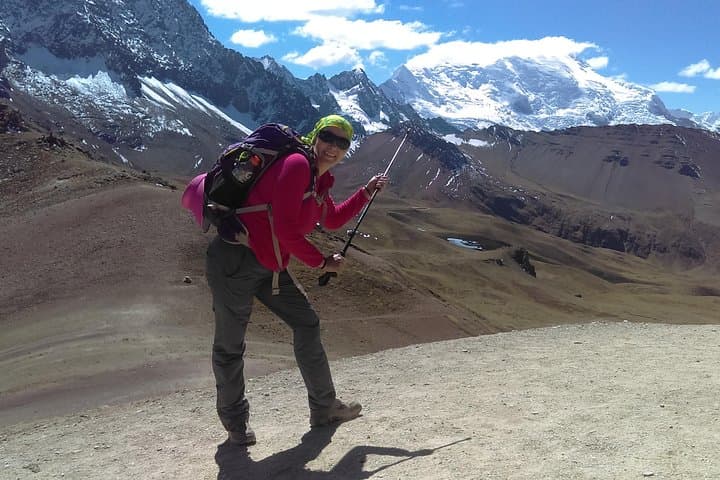
Geology here reads like a vertical map: iron oxides and copper minerals layered and exposed by glacial retreat produce the ridged bands of red, ochre, green and violet that made Vinicunca world-famous. The peaks around are part of the Cordillera Vilcanota; Ausangate looms as a glaciated backbone and a cultural axis for local Quechua communities who still practice seasonal herding.
Expect thin air, sudden weather shifts, and an Andean quiet punctuated by alpaca calls. The summit offers panoramic bowls of red mountains and valleys where vicuñas sometimes appear, and condors may ride thermal drafts above you.
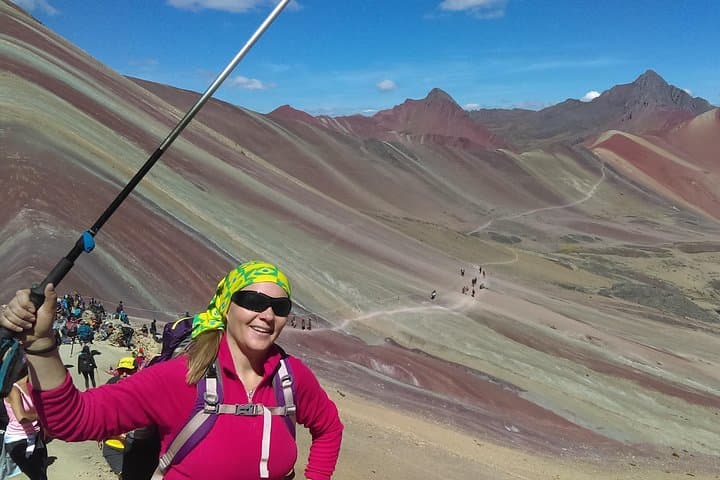
Practical guidance: allow at least two days in Cusco to acclimatize; the full outing (including 3.5-hour drive each way) runs about 9–10 hours. The trail is high-elevation and non-technical but steep in parts; use trekking poles, layer clothing, and drink often. Horse rental is available locally for steeper sections but budget for it in advance.
Timing is crucial: go early in the dry season for stable conditions and clearer light on the colors. Leave no trace — the mountain’s fragile soils and cultural sites need protection for future travelers.
challenging.
9–10 hours (door-to-door).
Good cardiovascular fitness and experience with sustained uphill hiking at altitude; ability to hike 2 hours uphill at 4,000 m.
The trail is non-technical but steep; expect about two hours of sustained uphill climbing at 4,000+ m and an equivalent descent — good fitness and acclimatization are essential.
Yes — horses are offered locally for an extra fee to help with steep sections, but availability varies and it's advisable to budget cash and confirm with your operator.
The dry season (May–September) offers the most stable weather and clearer views; afternoons can still cloud over, so mornings are best.
Typical day tours include hotel pickup in Cusco, breakfast, lunch and return transportation; check your booking details for exact inclusions and drop-off location.
The area sits within Quechua-speaking territories where mountains (apus) like Ausangate are considered sacred; seasonal herding and textile traditions persist among local communities.
High-elevation soils are fragile and visitor impacts concentrate quickly — stick to trails, avoid leaving waste, and support local guides who contribute to community conservation efforts.
Machupicchu USA operates guided outdoor trips and adventures with an emphasis on safety, stewardship, and memorable experiences.
You step out before dawn in Cusco, the air thin and bright, and the minivan hums through Andean villages as light spills across terraced hills. By the time breakfast warms your hands, the trailhead sits at roughly 4,000 m (13,100 ft) and a two-hour climb awaits — a steady uphill through pumice scree, grassy slopes, and pockets of grazing llamas.
You step out before dawn in Cusco, the air thin and bright, and the minivan hums through Andean villages as light spills across terraced hills. By the time breakfast warms your hands, the trailhead sits at roughly 4,000 m (13,100 ft) and a two-hour climb awaits — a steady uphill through pumice scree, grassy slopes, and pockets of grazing llamas.
Geology here reads like a vertical map: iron oxides and copper minerals layered and exposed by glacial retreat produce the ridged bands of red, ochre, green and violet that made Vinicunca world-famous. The peaks around are part of the Cordillera Vilcanota; Ausangate looms as a glaciated backbone and a cultural axis for local Quechua communities who still practice seasonal herding.
Expect thin air, sudden weather shifts, and an Andean quiet punctuated by alpaca calls. The summit offers panoramic bowls of red mountains and valleys where vicuñas sometimes appear, and condors may ride thermal drafts above you.
Practical guidance: allow at least two days in Cusco to acclimatize; the full outing (including 3.5-hour drive each way) runs about 9–10 hours. The trail is high-elevation and non-technical but steep in parts; use trekking poles, layer clothing, and drink often. Horse rental is available locally for steeper sections but budget for it in advance.
Timing is crucial: go early in the dry season for stable conditions and clearer light on the colors. Leave no trace — the mountain’s fragile soils and cultural sites need protection for future travelers.