THE ADVENTURE COLLECTIVE® · Independent discovery and booking for outdoor travel

An early-morning drive from Cusco leads to a thin-air climb up to Vinicunca (5,070 m), where mineral bands create the famous Rainbow Mountain. This full-day tour includes breakfast, a guided 3.5 km hike, and an optional Red Valley viewpoint.
An early-morning drive from Cusco leads to a thin-air climb up to Vinicunca (5,070 m), where mineral bands create the famous Rainbow Mountain. This full-day tour includes breakfast, a guided 3.5 km hike, and an optional Red Valley viewpoint.
Dawn breaks on the high plateau as a small van threads past quinoa fields and grazing alpacas. By 6 a.m. the air is thin and sharp; the trailhead at Phulawasipata (4,633 m) opens into wind-swept puna where the path climbs steadily toward the banded slopes of Vinicunca. Hikers move in measured steps—breath, foot, breath—until the colors of Rainbow Mountain unfurl ahead, streaks of iron, copper and clay that catch the morning light.
Verified experiences and guided adventures in the surrounding area.
Operated by QORIANKA TOURS · Cusco, Cusco Region
Dawn breaks on the high plateau as a small van threads past quinoa fields and grazing alpacas. By 6 a.m. the air is thin and sharp; the trailhead at Phulawasipata (4,633 m) opens into wind-swept puna where the path climbs steadily toward the banded slopes of Vinicunca. Hikers move in measured steps—breath, foot, breath—until the colors of Rainbow Mountain unfurl ahead, streaks of iron, copper and clay that catch the morning light.
The range is recent in human fame but ancient in geology: mineral-rich sediments uplifted by the Andes and exposed by glacial and wind erosion. Locals from the Quechua communities have long used these highlands for pasturing llamas and ritual offerings; guides often explain the mountain’s place in Andean cosmology as well as modern conservation efforts.
Expect rocky switchbacks, high-altitude grassland and occasional boggy patches around Puca Cocha lagoon. The standard route is about 3.5 km one-way with roughly 430–450 m of ascent to 5,070 m; plan for 1.5–2 hours uphill at a steady pace and a full-day outing including transfers and meals.
Practical bits matter: acclimatize in Cusco or nearby at 3,300 m, pace conservatively, and layer for sun and wind. Guides typically provide oxygen and a first-aid kit; optional Red Valley adds twenty minutes of steep walking for broader views. Bring water, sun protection, and comfortable boots; consider trekking poles. With clear weather the panorama is expansive—an Andean day that tests lungs, rewards patience, and leaves a lasting visual impression.
moderate.
8–10 hours (door-to-door).
Good aerobic fitness and prior exposure to high altitude recommended; able to walk on uneven terrain for 1–2 hours uphill.
The trail is short (about 3.5 km one-way) but steep and at very high altitude—expect 1.5–2 hours uphill; moderate fitness and acclimatization are important.
Yes—it's an optional extra 20 minutes of steeper walking from the summit area for wider views; ask your guide about any extra fee.
Stop, rest, hydrate and inform your guide immediately; many tours carry oxygen and guides are trained to assess symptoms and arrange descent if needed.
Children and fit seniors can do the hike if acclimatized, but it's not recommended for infants, pregnant travelers, or anyone with serious heart or spinal issues.
The colored bands are sedimentary layers altered by minerals and exposed by uplift and erosion; local Quechua communities have long used the highlands for pastoralism and ritual offerings.
Heavy season traffic creates erosion and litter issues—stick to the trail, pack out waste, and hire certified local guides to support community stewardship.
QORIANKA TOURS operates guided outdoor trips and adventures with an emphasis on safety, stewardship, and memorable experiences.
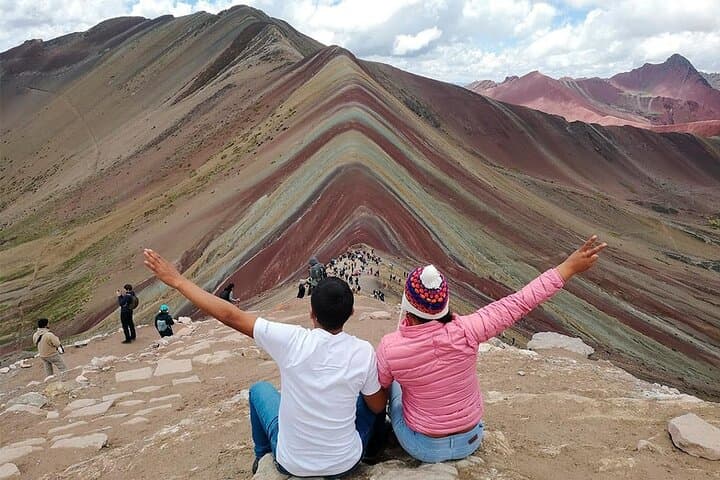
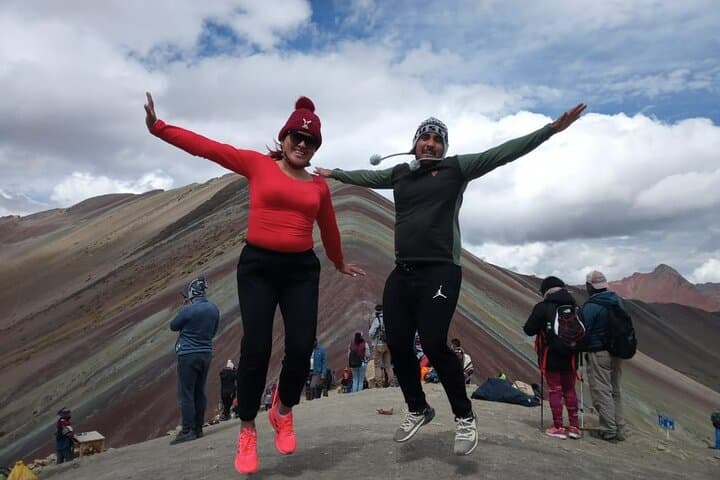
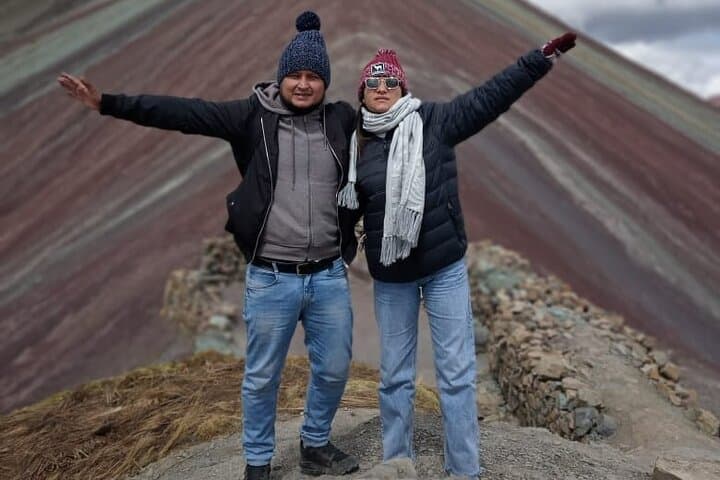
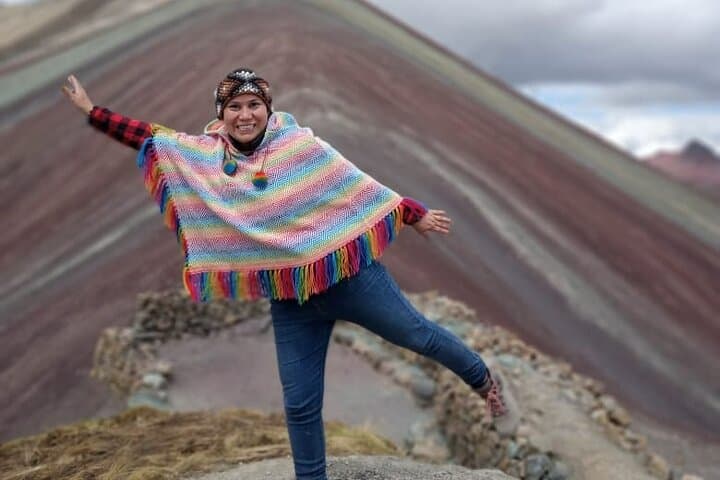
Dawn breaks on the high plateau as a small van threads past quinoa fields and grazing alpacas. By 6 a.m. the air is thin and sharp; the trailhead at Phulawasipata (4,633 m) opens into wind-swept puna where the path climbs steadily toward the banded slopes of Vinicunca. Hikers move in measured steps—breath, foot, breath—until the colors of Rainbow Mountain unfurl ahead, streaks of iron, copper and clay that catch the morning light.
Dawn breaks on the high plateau as a small van threads past quinoa fields and grazing alpacas. By 6 a.m. the air is thin and sharp; the trailhead at Phulawasipata (4,633 m) opens into wind-swept puna where the path climbs steadily toward the banded slopes of Vinicunca. Hikers move in measured steps—breath, foot, breath—until the colors of Rainbow Mountain unfurl ahead, streaks of iron, copper and clay that catch the morning light.
The range is recent in human fame but ancient in geology: mineral-rich sediments uplifted by the Andes and exposed by glacial and wind erosion. Locals from the Quechua communities have long used these highlands for pasturing llamas and ritual offerings; guides often explain the mountain’s place in Andean cosmology as well as modern conservation efforts.
Expect rocky switchbacks, high-altitude grassland and occasional boggy patches around Puca Cocha lagoon. The standard route is about 3.5 km one-way with roughly 430–450 m of ascent to 5,070 m; plan for 1.5–2 hours uphill at a steady pace and a full-day outing including transfers and meals.
Practical bits matter: acclimatize in Cusco or nearby at 3,300 m, pace conservatively, and layer for sun and wind. Guides typically provide oxygen and a first-aid kit; optional Red Valley adds twenty minutes of steep walking for broader views. Bring water, sun protection, and comfortable boots; consider trekking poles. With clear weather the panorama is expansive—an Andean day that tests lungs, rewards patience, and leaves a lasting visual impression.