THE ADVENTURE COLLECTIVE® · Independent discovery and booking for outdoor travel

Spend a full day traveling from Cusco to Vinicunca (Rainbow Mountain) for one of the Andes’ most striking color displays. This practical guide covers what to expect on the trail, cultural context, and how to prepare for the thin air and variable weather.
Spend a full day traveling from Cusco to Vinicunca (Rainbow Mountain) for one of the Andes’ most striking color displays. This practical guide covers what to expect on the trail, cultural context, and how to prepare for the thin air and variable weather.
A pre-dawn bus rumbles out of Cusco and the highland night thins into pale pink. By the time the road climbs into puna grasslands you can already see serrated ridgelines and the white crown of Ausangate watching over the valley. The walk begins at a thin-air trailhead; each step feels louder at 5,000+ meters, and then the first slab of banded color appears — iron reds, manganese blues and ochres stacked like a geological pageant.
Verified experiences and guided adventures in the surrounding area.
Operated by Kantu Peru Tours · Cusco, Cusco
A pre-dawn bus rumbles out of Cusco and the highland night thins into pale pink. By the time the road climbs into puna grasslands you can already see serrated ridgelines and the white crown of Ausangate watching over the valley. The walk begins at a thin-air trailhead; each step feels louder at 5,000+ meters, and then the first slab of banded color appears — iron reds, manganese blues and ochres stacked like a geological pageant.
Vinicunca’s stripes are recent revelations to tourism but ancient products of sediment, mineral oxidation and glacial sculpting. The mountain sits on the eastern Andean flank, where local Quechua communities maintain grazing lands and seasonal pathways. Guides often point out nearby Ausangate, an Apu (sacred mountain) in Andean cosmology, which frames the day and explains why communities still hold offerings and rituals on its slopes.
Expect mostly compacted dirt and high‑altitude talus with short steeper pitches; the advertised round trip from the parking is roughly 3–4 km of walking on well‑trodden trails but the challenge is the elevation gain and thin air.
Practical edge: start early to avoid afternoon cloud build-up, move deliberately to manage breathing, and carry layers for fierce sun and sudden wind. Hydrate and use high‑SPF sun protection — the sun at 5,000 m is blunt.
A typical group tour from Cusco runs 10–12 hours total with breakfast, a short uphill hike to the viewpoint, and a return through Cusipata for lunch. It’s a high‑altitude day of big views, cultural contact, and a real test of aerobic patience.
challenging.
10–12 hours.
Good cardiovascular fitness recommended and prior acclimatization; not suitable for people with serious heart or respiratory conditions.
The hike from the final parking area to the viewpoint is about 30–90 minutes one way depending on fitness and where the vehicle drops you; total walking distance is roughly 3–4 km round trip.
Not always — visibility depends on weather and season; dry months (May–September) offer the most consistent clear skies, while rain and clouds can mute the pigments.
This operator’s tour has a minimum age of 18 and advises against participation for pregnant travelers or those with serious medical issues due to extreme altitude.
Yes — most group tours include early breakfast, lunch in Cusipata or a community, and round‑trip transportation from central Cusco.
Vinicunca’s striped appearance is the result of layered sedimentary deposits altered by tectonics and glaciation; the Ausangate massif nearby is an important Apu in Quechua tradition.
Increased visitation stresses fragile puna soils and local water sources; travel with reputable operators, stay on trails, and follow local waste‑management guidelines.
Kantu Peru Tours operates guided outdoor trips and adventures with an emphasis on safety, stewardship, and memorable experiences.
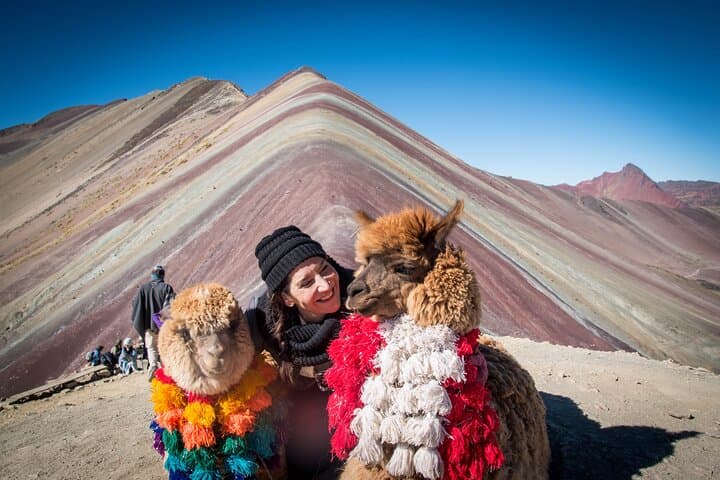
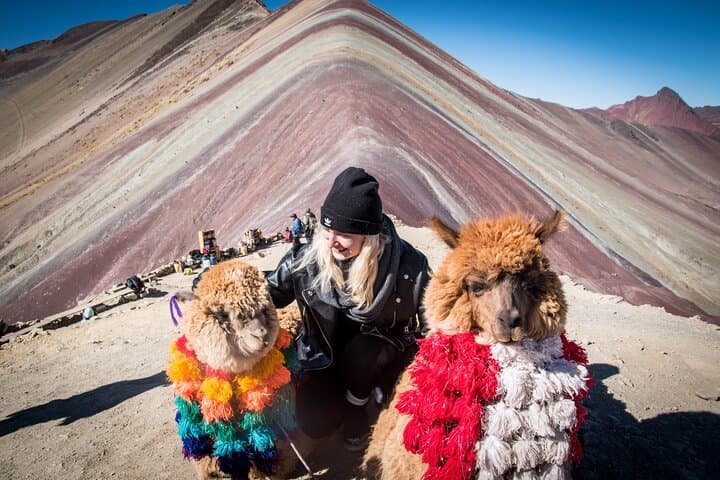
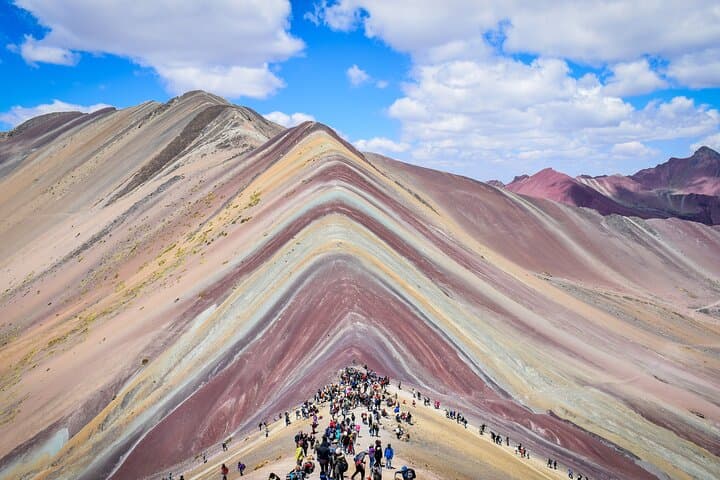
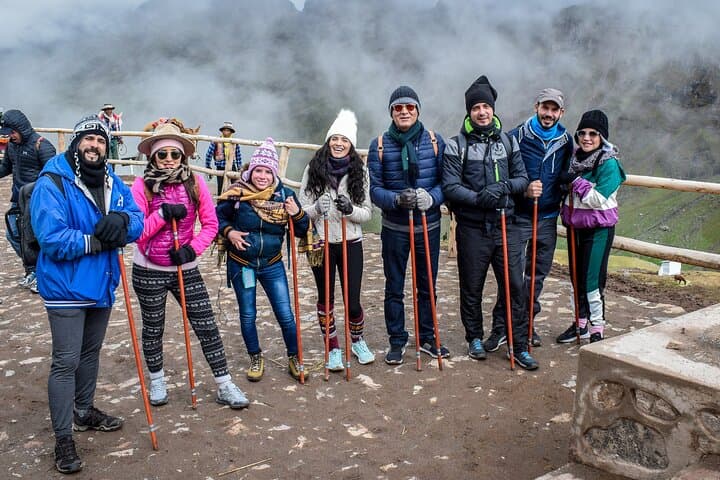
A pre-dawn bus rumbles out of Cusco and the highland night thins into pale pink. By the time the road climbs into puna grasslands you can already see serrated ridgelines and the white crown of Ausangate watching over the valley. The walk begins at a thin-air trailhead; each step feels louder at 5,000+ meters, and then the first slab of banded color appears — iron reds, manganese blues and ochres stacked like a geological pageant.
A pre-dawn bus rumbles out of Cusco and the highland night thins into pale pink. By the time the road climbs into puna grasslands you can already see serrated ridgelines and the white crown of Ausangate watching over the valley. The walk begins at a thin-air trailhead; each step feels louder at 5,000+ meters, and then the first slab of banded color appears — iron reds, manganese blues and ochres stacked like a geological pageant.
Vinicunca’s stripes are recent revelations to tourism but ancient products of sediment, mineral oxidation and glacial sculpting. The mountain sits on the eastern Andean flank, where local Quechua communities maintain grazing lands and seasonal pathways. Guides often point out nearby Ausangate, an Apu (sacred mountain) in Andean cosmology, which frames the day and explains why communities still hold offerings and rituals on its slopes.
Expect mostly compacted dirt and high‑altitude talus with short steeper pitches; the advertised round trip from the parking is roughly 3–4 km of walking on well‑trodden trails but the challenge is the elevation gain and thin air.
Practical edge: start early to avoid afternoon cloud build-up, move deliberately to manage breathing, and carry layers for fierce sun and sudden wind. Hydrate and use high‑SPF sun protection — the sun at 5,000 m is blunt.
A typical group tour from Cusco runs 10–12 hours total with breakfast, a short uphill hike to the viewpoint, and a return through Cusipata for lunch. It’s a high‑altitude day of big views, cultural contact, and a real test of aerobic patience.