THE ADVENTURE COLLECTIVE® · Independent discovery and booking for outdoor travel

A high‑altitude day hike from Cusco that brings you face-to-face with vividly banded slopes and the red‑pigmented bowls of the Red Valley. Expect thin air, steep short climbs, and strong mineral-colored panoramas—best prepared with layers and a slow pace.
A high‑altitude day hike from Cusco that brings you face-to-face with vividly banded slopes and the red‑pigmented bowls of the Red Valley. Expect thin air, steep short climbs, and strong mineral-colored panoramas—best prepared with layers and a slow pace.
You step out of the van before dawn and the Andes press close—thin air, wind that seems to test your breath, and a horizon of serrated peaks. The trail climbs through puna grass and mineral-streaked scree; ahead, the banded slopes of Rainbow Mountain wait like a geological palette exposed.
Verified experiences and guided adventures in the surrounding area.
Operated by camino peru · Cusco, Cusco
You step out of the van before dawn and the Andes press close—thin air, wind that seems to test your breath, and a horizon of serrated peaks. The trail climbs through puna grass and mineral-streaked scree; ahead, the banded slopes of Rainbow Mountain wait like a geological palette exposed.
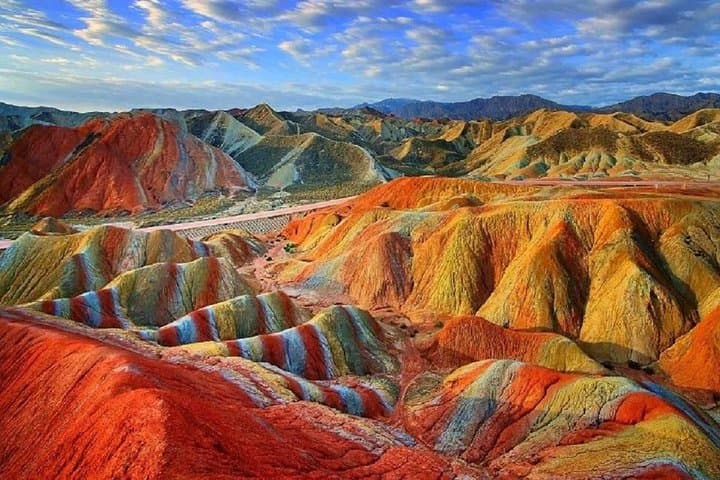
This place tells a short history in its colors: iron oxides, copper sulfates and other minerals oxidized over millions of years to create the red, yellow and turquoise stripes. Local Quechua communities have used the high puna for seasonal herding for centuries, and the area lies on routes that linked mountain pastures to Cusco long before tourism arrived.
Geologically, you’re on uplifted sediment and weathered volcanic deposits — fragile soils that rut easily underfoot. Cultural notes are immediate: llamas and alpacas graze with herders nearby, and many guides offer short explanations of local customs and altarpieces where travelers pause to leave coca leaves for the mountains.
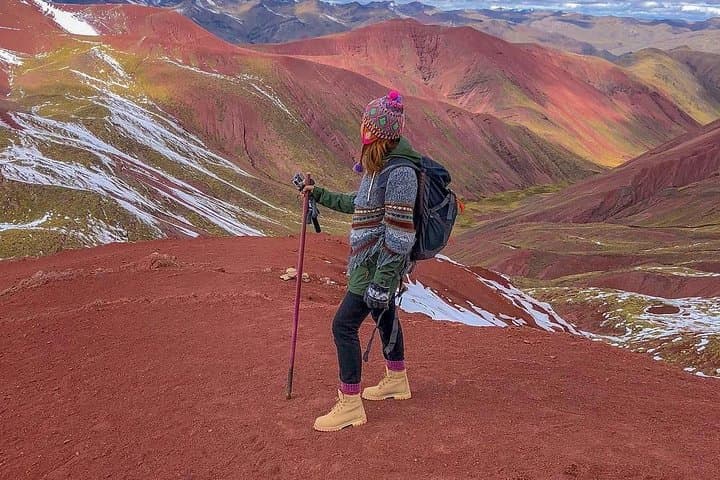
Practically, the full-day excursion typically runs from early morning to evening and includes transport, guide, entrance fee and basic first aid/oxygen. Hikes vary but expect 1–3 hours of walking one-way at elevations above 4,500 m (Vinicunca peaks around 5,100–5,200 m), with short steep sections and loose gravel. Pace yourself—altitude, not distance, is the limiting factor. Start slow, hydrate, use layered clothing for wind and sun, and plan for muddy sections in the rainy season (Dec–Mar). If you’re short on time, saddle options and horses are available for parts of the ascent, but verify availability and welfare standards. Leave no trace: the colored slopes are fragile and erosion spreads quickly under heavy foot traffic.
moderate.
12 hours.
Good aerobic fitness for walking and dealing with high altitude; able to manage steep sections and 1–3 hours of hiking one-way.
Walking time varies by fitness and route—expect 1–3 hours one‑way from the trailhead; total trip from Cusco is commonly 10–12 hours including transport.
The hike itself is not technical but the altitude (4,500–5,200 m) can cause sickness; acclimatize beforehand, move slowly, and use guides who carry oxygen and first aid.
Yes, many operators offer horse rentals for ascent or descent, but confirm animal welfare practices and availability in advance.
The dry season (May–Sep) offers clearer skies and firmer trails; the rainy season (Dec–Mar) brings muddy conditions and potential trail closures.
The high Andes around Vinicunca lie on traditional Quechua grazing routes and have long been used for seasonal pastoralism; modern tourism here grew after the colorful stripes became widely photographed in the 2010s.
The colored slopes are vulnerable to erosion; stick to marked trails, avoid touching exposed mineral faces and support local guide associations that use fees for trail maintenance.
camino peru operates guided outdoor trips and adventures with an emphasis on safety, stewardship, and memorable experiences.
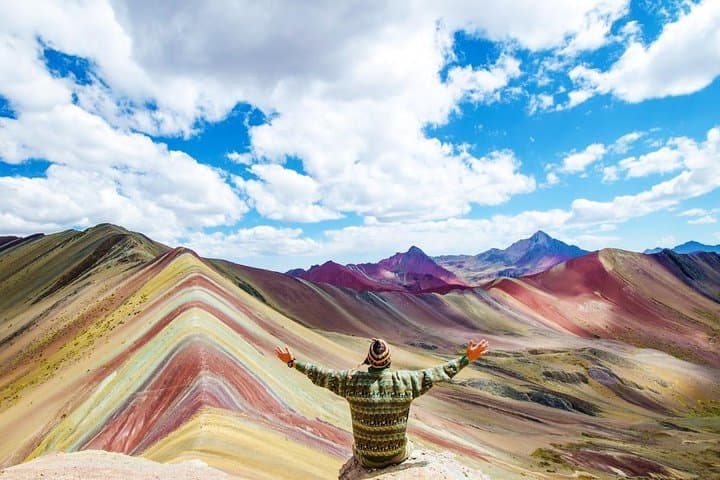
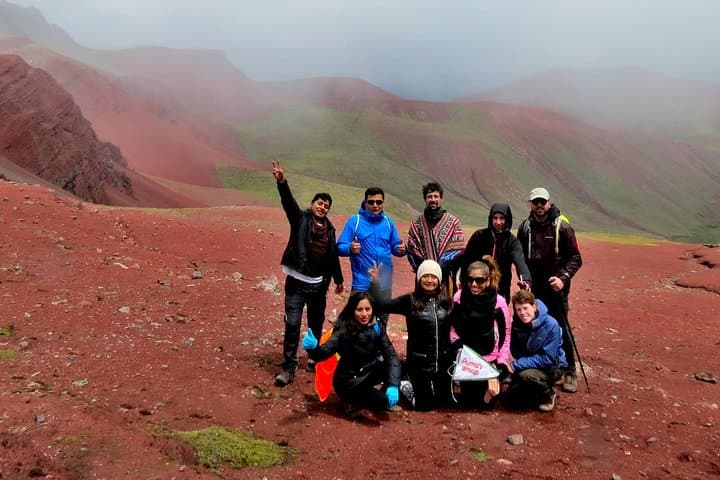
You step out of the van before dawn and the Andes press close—thin air, wind that seems to test your breath, and a horizon of serrated peaks. The trail climbs through puna grass and mineral-streaked scree; ahead, the banded slopes of Rainbow Mountain wait like a geological palette exposed.
You step out of the van before dawn and the Andes press close—thin air, wind that seems to test your breath, and a horizon of serrated peaks. The trail climbs through puna grass and mineral-streaked scree; ahead, the banded slopes of Rainbow Mountain wait like a geological palette exposed.
This place tells a short history in its colors: iron oxides, copper sulfates and other minerals oxidized over millions of years to create the red, yellow and turquoise stripes. Local Quechua communities have used the high puna for seasonal herding for centuries, and the area lies on routes that linked mountain pastures to Cusco long before tourism arrived.
Geologically, you’re on uplifted sediment and weathered volcanic deposits — fragile soils that rut easily underfoot. Cultural notes are immediate: llamas and alpacas graze with herders nearby, and many guides offer short explanations of local customs and altarpieces where travelers pause to leave coca leaves for the mountains.
Practically, the full-day excursion typically runs from early morning to evening and includes transport, guide, entrance fee and basic first aid/oxygen. Hikes vary but expect 1–3 hours of walking one-way at elevations above 4,500 m (Vinicunca peaks around 5,100–5,200 m), with short steep sections and loose gravel. Pace yourself—altitude, not distance, is the limiting factor. Start slow, hydrate, use layered clothing for wind and sun, and plan for muddy sections in the rainy season (Dec–Mar). If you’re short on time, saddle options and horses are available for parts of the ascent, but verify availability and welfare standards. Leave no trace: the colored slopes are fragile and erosion spreads quickly under heavy foot traffic.