THE ADVENTURE COLLECTIVE® · Independent discovery and booking for outdoor travel

Escape the city for a full-day private transfer to Rahba Dam in Ras Al Khaimah. Calm water framed by rugged Hajar foothills makes this an ideal spot for short hikes, birdwatching and a relaxed picnic away from crowds.
Escape the city for a full-day private transfer to Rahba Dam in Ras Al Khaimah. Calm water framed by rugged Hajar foothills makes this an ideal spot for short hikes, birdwatching and a relaxed picnic away from crowds.
A low-slung road unwinds from the city, then the air thins and the silhouettes of broken mountains appear. At Rahba Dam the water lies still, a glass plane that holds the jagged ridgelines like a second sky. Visitors arrive by private transfer, stepping out into dry, mineral-scented wind and a scene that favors quiet observation over flashier attractions.
Verified experiences and guided adventures in the surrounding area.
Operated by Sham Al Marjan Tours LLC · Ras Al Khaimah, Ras Al Khaimah
A low-slung road unwinds from the city, then the air thins and the silhouettes of broken mountains appear. At Rahba Dam the water lies still, a glass plane that holds the jagged ridgelines like a second sky. Visitors arrive by private transfer, stepping out into dry, mineral-scented wind and a scene that favors quiet observation over flashier attractions.
The dam is part of Ras Al Khaimah’s recent water-management works, built to capture seasonal runoff from the Hajar foothills. Geologically the basin sits where older sedimentary plateaus meet younger igneous intrusions, producing steep wadis and rocky viewpoints. Culturally the area reflects the emirate’s long relationship with water — small dams, falaj systems and seasonal pools have supported villages here for generations.
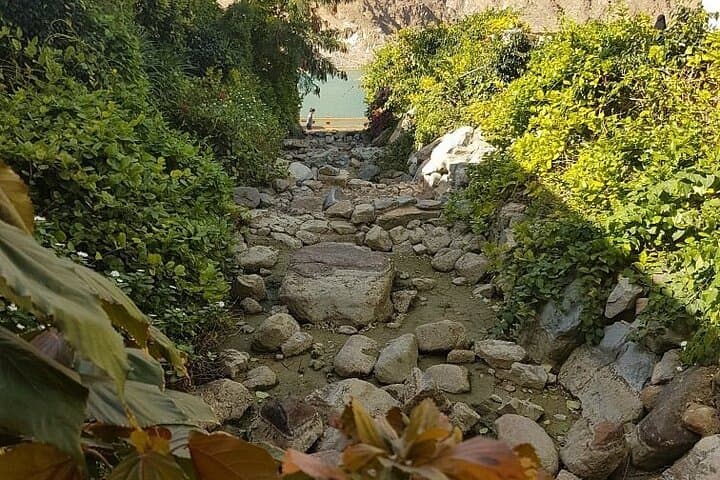
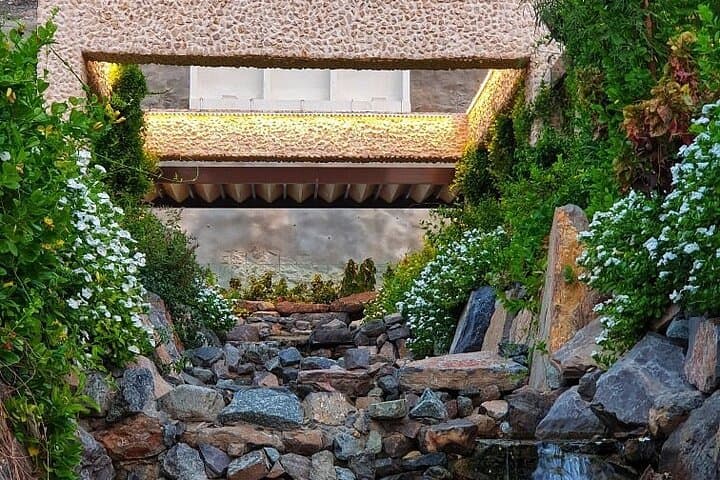
Expect flat, rocky shorelines, short dirt tracks that climb to compact viewpoints, and pockets of reeds that attract migratory birds in cooler months. The place suits short hikes, birdwatching and slow picnics rather than technical trekking; watch for sun exposure and sudden crosswinds in open areas.
Practical guidance: allow a full day for pickup from Dubai or Ras Al Khaimah (the touring time is typically 9–10 hours with transfers), carry at least 2 liters of water per person, wear closed-toe shoes for uneven shoreline rock, and schedule visits early morning or late afternoon for cooler light and better bird activity. Leave no trace — the desert’s thin soils recover slowly.
Rahba Dam is a study in quiet contrasts: still water, sharp rock, and an easy rhythm that asks only that you slow down and look.
easy.
9–10 hours.
Basic mobility and general fitness for short walks and standing on uneven ground; suitable for most ages.
The full activity runs about 9–10 hours including private pickup and drop-off, depending on your pickup location (Dubai or Ras Al Khaimah).
Swimming is generally not recommended — the shoreline is rocky and water quality/conditions vary; follow local operator advice on-site.
Some shoreline areas and viewing points are accessible, but many paths are uneven; confirm specific accessibility needs with the operator before booking.
Most private-transfer tours allow time for picnics but do not include meals; bring your own food or arrange a stop at a local café when planning pickup details.
Rahba Dam is part of modern water-capture efforts in Ras Al Khaimah, reflecting historical local practices of harvesting seasonal runoff from Hajar foothills to support communities.
The surrounding desert has fragile soils and scarce water; stick to existing tracks, pack out litter and avoid disturbing reed beds where birds nest.
Sham Al Marjan Tours LLC operates guided outdoor trips and adventures with an emphasis on safety, stewardship, and memorable experiences.


A low-slung road unwinds from the city, then the air thins and the silhouettes of broken mountains appear. At Rahba Dam the water lies still, a glass plane that holds the jagged ridgelines like a second sky. Visitors arrive by private transfer, stepping out into dry, mineral-scented wind and a scene that favors quiet observation over flashier attractions.
A low-slung road unwinds from the city, then the air thins and the silhouettes of broken mountains appear. At Rahba Dam the water lies still, a glass plane that holds the jagged ridgelines like a second sky. Visitors arrive by private transfer, stepping out into dry, mineral-scented wind and a scene that favors quiet observation over flashier attractions.
The dam is part of Ras Al Khaimah’s recent water-management works, built to capture seasonal runoff from the Hajar foothills. Geologically the basin sits where older sedimentary plateaus meet younger igneous intrusions, producing steep wadis and rocky viewpoints. Culturally the area reflects the emirate’s long relationship with water — small dams, falaj systems and seasonal pools have supported villages here for generations.
Expect flat, rocky shorelines, short dirt tracks that climb to compact viewpoints, and pockets of reeds that attract migratory birds in cooler months. The place suits short hikes, birdwatching and slow picnics rather than technical trekking; watch for sun exposure and sudden crosswinds in open areas.
Practical guidance: allow a full day for pickup from Dubai or Ras Al Khaimah (the touring time is typically 9–10 hours with transfers), carry at least 2 liters of water per person, wear closed-toe shoes for uneven shoreline rock, and schedule visits early morning or late afternoon for cooler light and better bird activity. Leave no trace — the desert’s thin soils recover slowly.
Rahba Dam is a study in quiet contrasts: still water, sharp rock, and an easy rhythm that asks only that you slow down and look.