THE ADVENTURE COLLECTIVE® · Independent discovery and booking for outdoor travel

Float two hours of class III rapids on the Upper Urubamba—accessible from Cusco with private camp comforts, hot showers and a post-run sauna. This full-day trip blends technical whitewater, Andean scenery, and practical guide support for adventurous paddlers.
Float two hours of class III rapids on the Upper Urubamba—accessible from Cusco with private camp comforts, hot showers and a post-run sauna. This full-day trip blends technical whitewater, Andean scenery, and practical guide support for adventurous paddlers.
You feel the Andes before you see them: a low, cool pressure that tightens your breath and makes the first sip of coffee taste like fuel. The drive out of Cusco eases through high puna grass and small stone hamlets, then drops toward the Urubamba where the mountains peel back and the river begins to hurry. At the private campground in Cusipata, guides hand out neoprene and helmets, and the river—brown, fast, uncompromising—seems to grin at the bank.
Verified experiences and guided adventures in the surrounding area.
Operated by Machupicchu Nice · Cusipata, Cusco
You feel the Andes before you see them: a low, cool pressure that tightens your breath and makes the first sip of coffee taste like fuel. The drive out of Cusco eases through high puna grass and small stone hamlets, then drops toward the Urubamba where the mountains peel back and the river begins to hurry. At the private campground in Cusipata, guides hand out neoprene and helmets, and the river—brown, fast, uncompromising—seems to grin at the bank.
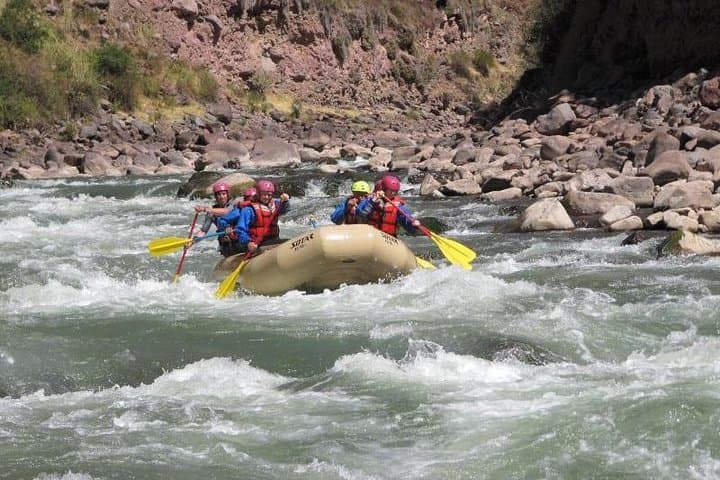
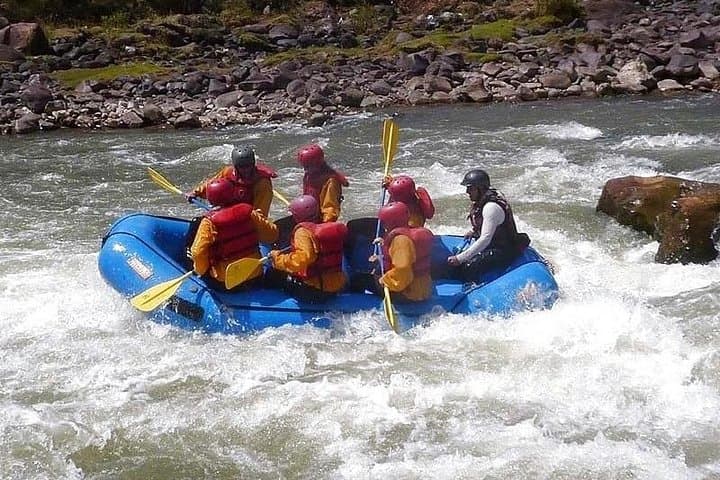
This run follows the Upper Urubamba, a waterway threaded through the Sacred Valley and fed by Andean snowmelt. The Chuquicahuana section earns its reputation on short, punchy class III and III+ rapids: technical waves and tight channels that reward quick paddling and clean lines. Geologically, you’re riding meltwater carved through volcanic tuff and marine sediment uplifted by the same forces that raised Machu Picchu’s ridges; the result is a river that alternates between sculpted narrow chutes and broader, reflective pools.
The area blends Inca history with contemporary highland life. Fields on the terraces below the road still grow native corn and tubers, and communities maintain weaving traditions handed down generations. Guides often point out remnants of ancient trails that ran parallel to the river—old lines of communication that linked settlements long before roads.
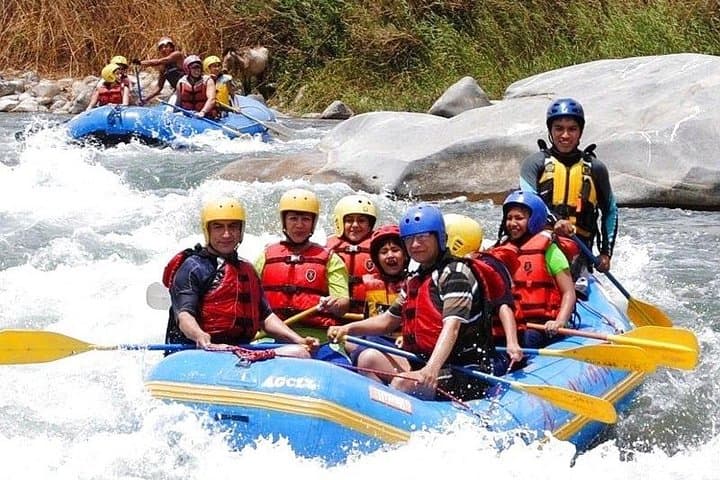
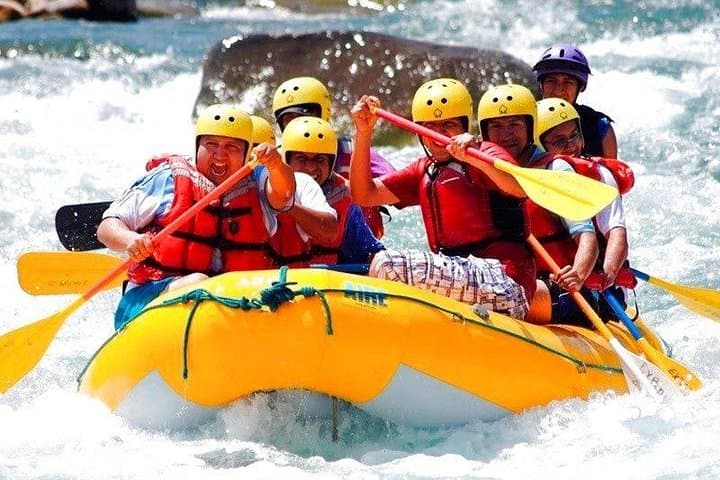
Practical rhythm: after a safety briefing and gear fitting you’ll drive a final short stretch to the Chuqui put-in. Expect roughly two hours of river time and about seven hours total for the trip from pickup to drop-off. The operator provides wetsuits, spray jackets, helmets and raft gear; at the end you return to camp for lunch, hot showers and a restorative sauna. There’s even a pair of 100-meter ziplines that cross the Urubamba if you want to keep the adrenaline going.
Plan for altitude and variable weather. Mornings can be crisp; afternoons warm with sun strong enough to burn through cloud cover. Hydrate the day before and bring a small backpack with a dry set of clothes for the ride home. Though rapids are consistent, river level changes with seasonal runoff—wet season makes volumes higher and current swifter.
This stretch suits paddlers comfortable with active, technical class III rapids rather than novices trying to stay dry; guides coach you through strokes and safety maneuvers. By the time the bus heads back to Cusco at day’s end, the river has done what it does best: sharpened your focus and left you surprisingly calm, like someone who’s just run something honest and come out smiling.
moderate.
6–7 hours.
Moderate fitness; able to paddle actively for short bursts and follow safety commands. Comfortable with bursts of exertion and quick recovery.
Expect about 1.5 hours by air-conditioned vehicle depending on traffic and your hotel location in Cusco.
This section runs mainly class III to III+, with technical waves and tight channels suitable for paddlers with basic instruction and a good attitude.
Yes—wetsuits, helmets, spray jackets and paddles are provided by the operator.
Children are allowed when they meet the operator’s minimum age guidelines and can follow safety instructions; check the booking page for age limits.
The operator monitors river levels and weather; safety is prioritized and trips may be rescheduled or canceled if conditions are unsafe.
Yes—pickup from most Cusco hotels is provided, typically about 15 minutes before the scheduled departure.
The Urubamba valley was central to Inca agriculture and transit; many modern trails follow ancient routes that linked highland communities.
Operators encourage leave-no-trace practices and work with local camps to minimize waste; stick to provided facilities and avoid single-use plastics.
Machupicchu Nice operates guided outdoor trips and adventures with an emphasis on safety, stewardship, and memorable experiences.
You feel the Andes before you see them: a low, cool pressure that tightens your breath and makes the first sip of coffee taste like fuel. The drive out of Cusco eases through high puna grass and small stone hamlets, then drops toward the Urubamba where the mountains peel back and the river begins to hurry. At the private campground in Cusipata, guides hand out neoprene and helmets, and the river—brown, fast, uncompromising—seems to grin at the bank.
You feel the Andes before you see them: a low, cool pressure that tightens your breath and makes the first sip of coffee taste like fuel. The drive out of Cusco eases through high puna grass and small stone hamlets, then drops toward the Urubamba where the mountains peel back and the river begins to hurry. At the private campground in Cusipata, guides hand out neoprene and helmets, and the river—brown, fast, uncompromising—seems to grin at the bank.
This run follows the Upper Urubamba, a waterway threaded through the Sacred Valley and fed by Andean snowmelt. The Chuquicahuana section earns its reputation on short, punchy class III and III+ rapids: technical waves and tight channels that reward quick paddling and clean lines. Geologically, you’re riding meltwater carved through volcanic tuff and marine sediment uplifted by the same forces that raised Machu Picchu’s ridges; the result is a river that alternates between sculpted narrow chutes and broader, reflective pools.
The area blends Inca history with contemporary highland life. Fields on the terraces below the road still grow native corn and tubers, and communities maintain weaving traditions handed down generations. Guides often point out remnants of ancient trails that ran parallel to the river—old lines of communication that linked settlements long before roads.
Practical rhythm: after a safety briefing and gear fitting you’ll drive a final short stretch to the Chuqui put-in. Expect roughly two hours of river time and about seven hours total for the trip from pickup to drop-off. The operator provides wetsuits, spray jackets, helmets and raft gear; at the end you return to camp for lunch, hot showers and a restorative sauna. There’s even a pair of 100-meter ziplines that cross the Urubamba if you want to keep the adrenaline going.
Plan for altitude and variable weather. Mornings can be crisp; afternoons warm with sun strong enough to burn through cloud cover. Hydrate the day before and bring a small backpack with a dry set of clothes for the ride home. Though rapids are consistent, river level changes with seasonal runoff—wet season makes volumes higher and current swifter.
This stretch suits paddlers comfortable with active, technical class III rapids rather than novices trying to stay dry; guides coach you through strokes and safety maneuvers. By the time the bus heads back to Cusco at day’s end, the river has done what it does best: sharpened your focus and left you surprisingly calm, like someone who’s just run something honest and come out smiling.