THE ADVENTURE COLLECTIVE® · Independent discovery and booking for outdoor travel

Just a couple hours from Bogotá, a full-day run on the Río Negro delivers 5 km of lively rapids, local-guided instruction, and a farm-based lunch and lounge. It’s a compact, hands-on rafting trip for travelers with moderate fitness who want a taste of Colombia’s river country.
Just a couple hours from Bogotá, a full-day run on the Río Negro delivers 5 km of lively rapids, local-guided instruction, and a farm-based lunch and lounge. It’s a compact, hands-on rafting trip for travelers with moderate fitness who want a taste of Colombia’s river country.
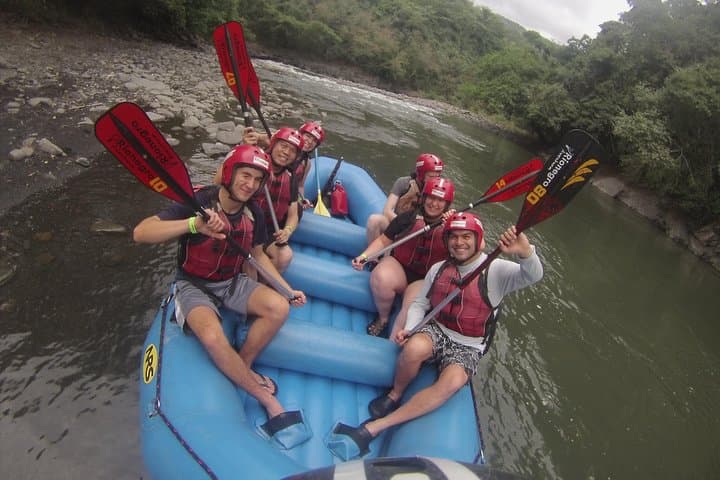
The morning starts before Bogotá wakes: an early van hums out of the city and the air shifts from high Andean chill to a thicker, greener warmth as the landscape descends. Two hours later you arrive in Tobía, a small town in Cundinamarca whose steep hills and fast rivers have long dared adrenaline seekers. Guides in local Jeeps ferry the group to Paso del Rejo, a low ridge above the Río Negro; below, the river threads through a narrow valley ready to push you downstream.
Verified experiences and guided adventures in the surrounding area.
Operated by Nueva Lengua - Tours · Tobía, Cundinamarca
The morning starts before Bogotá wakes: an early van hums out of the city and the air shifts from high Andean chill to a thicker, greener warmth as the landscape descends. Two hours later you arrive in Tobía, a small town in Cundinamarca whose steep hills and fast rivers have long dared adrenaline seekers. Guides in local Jeeps ferry the group to Paso del Rejo, a low ridge above the Río Negro; below, the river threads through a narrow valley ready to push you downstream.
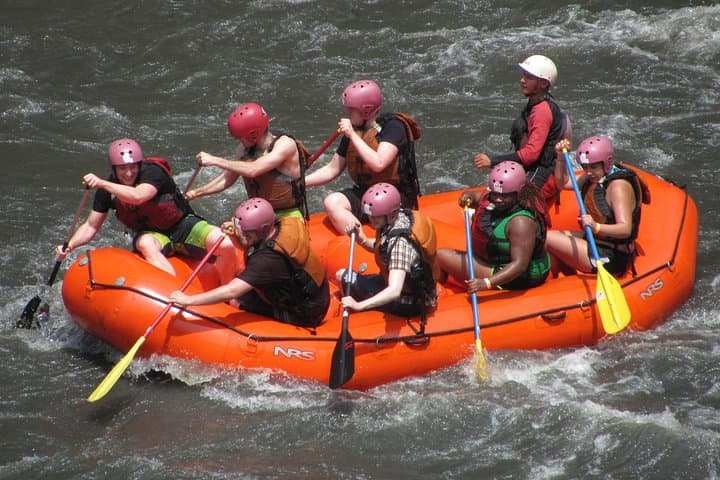
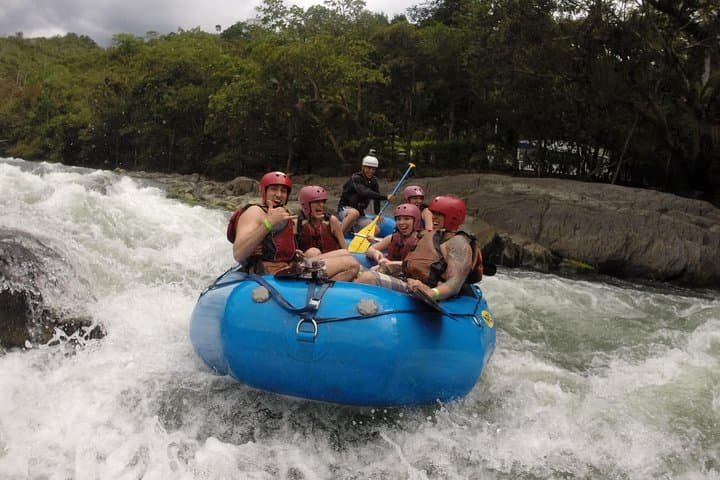
The run itself is compact and muscular: about 5 km of Class II–III rapids depending on recent rains, a riffle-and-wave sequence that favors solid paddling and quick decision-making more than brute courage. The Río Negro has cut its channel through weathered volcanic-andesitic rock, leaving short drops and polished boulders that shape eddies and play waves. That geological churn, combined with existing farmsteads on the riverbanks, creates an intimate rafting corridor — you’re often within earshot of farmers and the chatter of birds.
Tobía’s history is practical more than famous. Once a transit point for agricultural goods, it reinvented itself around adventure sports in recent decades; the people you meet — guides, the family-run farm where you change, the cooks serving lunch — are the reason the experience feels rooted. After the run, the day softens: lunch on the farm is a plate of local flavors, then there’s time to cool off in a pool, play table tennis or billiards, and trade river stories with your guides.
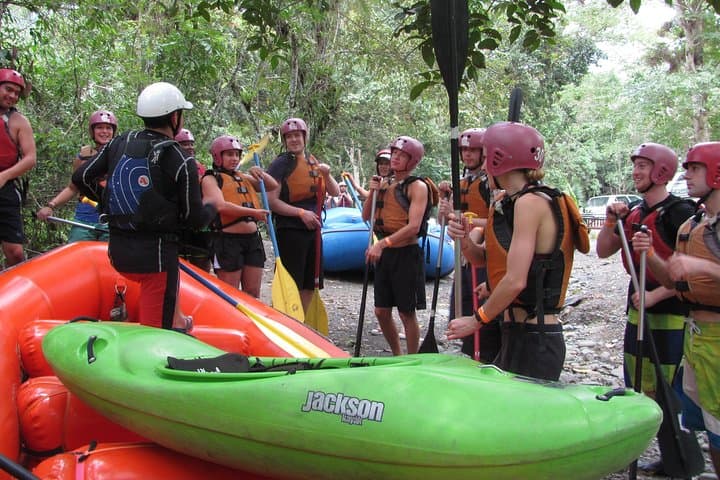
Practical edge: the trip is long but accessible. Expect a full day — roughly 11 hours total from Bogotá and back — with about 5 km of rafting on the Río Negro. The route is suitable for travelers with moderate fitness and no major joint or heart issues; guides provide safety briefing and life vests. Weather drives river conditions: the best windows are during drier months when the rapids are lively but predictable; heavy rains push the river into a more challenging, less forgiving state.
Plan on quick-dry clothing, secure footwear, sun and insect protection, and a waterproof pouch for valuables. Bring a small amount of cash for souvenirs and guide tips; your phone will work most of the way but expect gaps in service. If you’re keen on photography, aim for the river bends at mid-morning or late afternoon for the best light.
By late afternoon the road climbs back toward Bogotá and the city’s silhouette returns. What lingers from a day on the Río Negro is straightforward: a measured rush of water, the low hum of the valley, and the clarity that comes from moving through landscape that still feels, in places, untamed.
moderate.
10–11 hours.
Travelers should have moderate cardiovascular fitness and be comfortable entering/exiting a raft; not suitable for serious mobility limitations.
The guided river portion covers roughly 5 km on the Río Negro, with rapid sequences varying by season.
No — guides give a full safety briefing and lead the raft; basic swimming comfort is recommended.
Yes — the full-day tour includes round-trip pickup and drop-off from central Bogotá hotels.
Wear quick-dry clothes, a swimsuit beneath, and closed-toe water shoes; bring sunscreen and a hat for breaks.
Yes — lunch is served at the farm after the activity and typically features local Colombian dishes.
Children may join if they meet the operator’s age and health requirements—confirm during booking and provide required passenger details.
Tobía transitioned from an agricultural transit village to an adventure-sport hub in recent decades; local families often host and guide visitors.
Operate with local guides who emphasize leaving no trace and minimizing riverbank impact; avoid littering and follow guide instructions to protect fragile riparian zones.
Nueva Lengua - Tours operates guided outdoor trips and adventures with an emphasis on safety, stewardship, and memorable experiences.
The morning starts before Bogotá wakes: an early van hums out of the city and the air shifts from high Andean chill to a thicker, greener warmth as the landscape descends. Two hours later you arrive in Tobía, a small town in Cundinamarca whose steep hills and fast rivers have long dared adrenaline seekers. Guides in local Jeeps ferry the group to Paso del Rejo, a low ridge above the Río Negro; below, the river threads through a narrow valley ready to push you downstream.
The morning starts before Bogotá wakes: an early van hums out of the city and the air shifts from high Andean chill to a thicker, greener warmth as the landscape descends. Two hours later you arrive in Tobía, a small town in Cundinamarca whose steep hills and fast rivers have long dared adrenaline seekers. Guides in local Jeeps ferry the group to Paso del Rejo, a low ridge above the Río Negro; below, the river threads through a narrow valley ready to push you downstream.
The run itself is compact and muscular: about 5 km of Class II–III rapids depending on recent rains, a riffle-and-wave sequence that favors solid paddling and quick decision-making more than brute courage. The Río Negro has cut its channel through weathered volcanic-andesitic rock, leaving short drops and polished boulders that shape eddies and play waves. That geological churn, combined with existing farmsteads on the riverbanks, creates an intimate rafting corridor — you’re often within earshot of farmers and the chatter of birds.
Tobía’s history is practical more than famous. Once a transit point for agricultural goods, it reinvented itself around adventure sports in recent decades; the people you meet — guides, the family-run farm where you change, the cooks serving lunch — are the reason the experience feels rooted. After the run, the day softens: lunch on the farm is a plate of local flavors, then there’s time to cool off in a pool, play table tennis or billiards, and trade river stories with your guides.
Practical edge: the trip is long but accessible. Expect a full day — roughly 11 hours total from Bogotá and back — with about 5 km of rafting on the Río Negro. The route is suitable for travelers with moderate fitness and no major joint or heart issues; guides provide safety briefing and life vests. Weather drives river conditions: the best windows are during drier months when the rapids are lively but predictable; heavy rains push the river into a more challenging, less forgiving state.
Plan on quick-dry clothing, secure footwear, sun and insect protection, and a waterproof pouch for valuables. Bring a small amount of cash for souvenirs and guide tips; your phone will work most of the way but expect gaps in service. If you’re keen on photography, aim for the river bends at mid-morning or late afternoon for the best light.
By late afternoon the road climbs back toward Bogotá and the city’s silhouette returns. What lingers from a day on the Río Negro is straightforward: a measured rush of water, the low hum of the valley, and the clarity that comes from moving through landscape that still feels, in places, untamed.