THE ADVENTURE COLLECTIVE® · Independent discovery and booking for outdoor travel

Leave Bogotá for a pulse-quickening day on the Rio Negro near Tobía—a 5 km raft run framed by Andean gullies, followed by a farm lunch and poolside relaxation. Practical for first-time rafters with a taste for local culture and short, punchy rapids.
Leave Bogotá for a pulse-quickening day on the Rio Negro near Tobía—a 5 km raft run framed by Andean gullies, followed by a farm lunch and poolside relaxation. Practical for first-time rafters with a taste for local culture and short, punchy rapids.
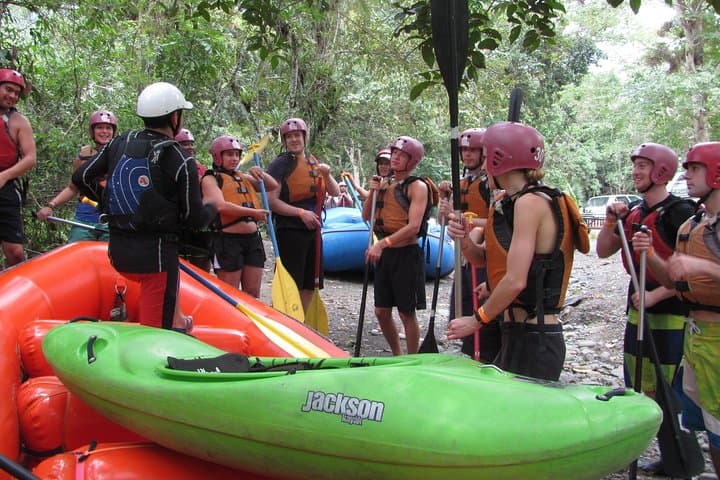
The van eases out of Bogotá's traffic and the city shrinks into bands of gray and green. Within two hours the altitude drops and the air warms; palms and coffee plots edge the road. At a farmhouse outside Tobía, local guides in bright helmets hand out life jackets and grin like people who spend their days reading rivers. From there a convoy of Jeeps bumps along a dirt track up to Paso del Rejo, where the Rio Negro waits—five kilometers of riffles and short, punchy rapids that dare you to loosen your grip and move with the current.
Verified experiences and guided adventures in the surrounding area.
Operated by Nueva Lengua - Tours · Tobía, Cundinamarca
The van eases out of Bogotá's traffic and the city shrinks into bands of gray and green. Within two hours the altitude drops and the air warms; palms and coffee plots edge the road. At a farmhouse outside Tobía, local guides in bright helmets hand out life jackets and grin like people who spend their days reading rivers. From there a convoy of Jeeps bumps along a dirt track up to Paso del Rejo, where the Rio Negro waits—five kilometers of riffles and short, punchy rapids that dare you to loosen your grip and move with the current.
Tobía sits on the leeward flank of the Eastern Cordillera, where Andean slopes give way to the lower valleys that feed the Magdalena basin. The river has cut a narrow corridor through weathered andesite and sedimentary layers, creating short technical rapids ideal for a half-day raft: enough turbulence to feel alive, without the remoteness of multi-day expeditions. Adventure tourism here has grown in recent decades; local families who once farmed exclusively now run farms, jeeps, and guiding outfits, blending rural hospitality with international safety standards.
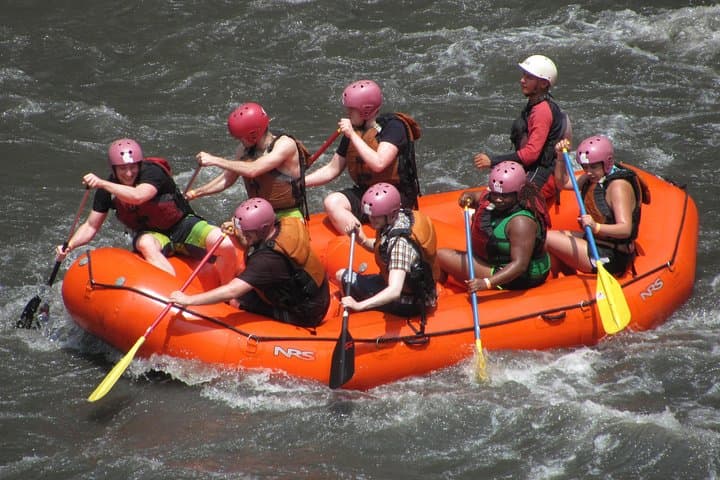
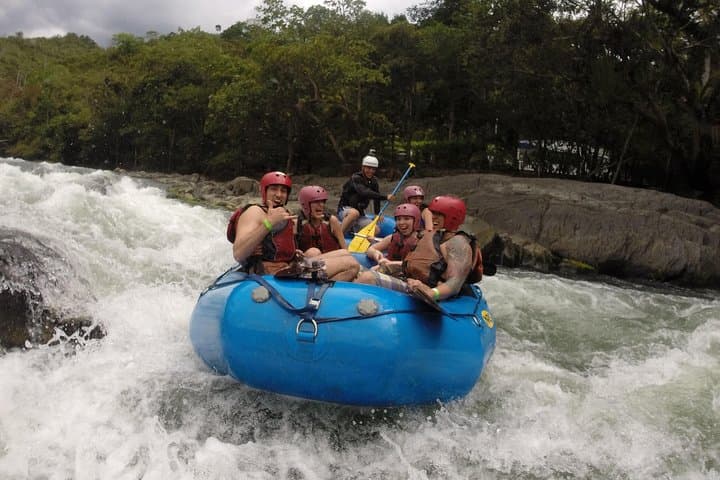
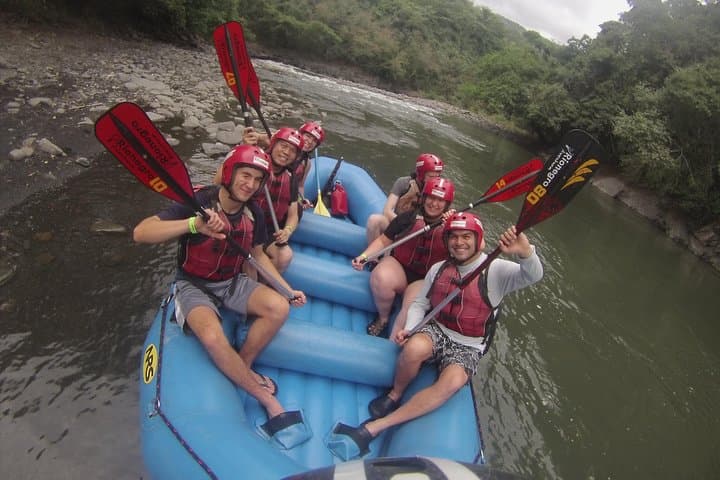
The experience is compact and social. Guides brief the group, describe hand signals, and ferry rafts to the put-in. The 5 km paddle is a rhythm of sprint and glide—edging for a tricky drop, laughing through a foam-strewn bend, scanning the canyon for kingfishers. When the run ends, the farm transforms into a backyard resort: a midday lunch of grilled meats and fresh fruit, a dip in the pool to cool off, and a few rounds of table tennis or billiards while the guides swap river stories.
Practical edge: the trip is full-day (about 11 hours door-to-door from Bogotá), requires a moderate fitness level and basic swimming confidence, and is run by local, Spanish-speaking guides who emphasize safety. Bring quick-dry clothing, river shoes with secure straps, and a small dry bag for phone and keys. Expect warm temperatures far different from Bogotá—pack sunscreen and rehydrate frequently.
Timing matters: water levels affect rapid character—higher flows make sections faster and more forceful; low water exposes rocks. If you want photos of action, sit forward on the raft and ask your guide for a calmer eddy so you can capture faces and river texture. Finally, leaving a tip for the guides and taking a moment to buy coffee or snacks from the farm helps sustain the local economy—this is community-driven adventure tourism, where the river’s pulse supports village livelihoods.
moderate.
11 hours (door-to-door from Bogotá).
Moderate fitness and basic swimming ability; expect short bursts of paddling and scrambling at the put-in
The river section is about 5 km; the full tour from Bogotá takes roughly 11 hours including transfers, briefing, and lunch.
No prior experience is required—guides provide instruction and the rapids are suitable for beginners with moderate fitness.
Pickup from Bogotá hotels is provided; confirm your pickup point during booking.
Local guides provide helmets, life jackets, a safety briefing, and experienced sweep guides; notify operators of any health issues before departure.
Age and weight limits vary by operator; children with strong swimming skills may be allowed—check booking questions regarding age band and parental consent.
Operators monitor conditions—trips may be adjusted for safety; cancellation and refund terms apply if the company cancels due to unsafe river levels.
Tobía evolved from a rural farming community into an adventure hub as river sports grew in popularity; local families now mix agriculture with guiding services.
Operators encourage leave-no-trace practices; support local businesses and avoid single-use plastics to reduce river pollution.
Nueva Lengua - Tours operates guided outdoor trips and adventures with an emphasis on safety, stewardship, and memorable experiences.
The van eases out of Bogotá's traffic and the city shrinks into bands of gray and green. Within two hours the altitude drops and the air warms; palms and coffee plots edge the road. At a farmhouse outside Tobía, local guides in bright helmets hand out life jackets and grin like people who spend their days reading rivers. From there a convoy of Jeeps bumps along a dirt track up to Paso del Rejo, where the Rio Negro waits—five kilometers of riffles and short, punchy rapids that dare you to loosen your grip and move with the current.
The van eases out of Bogotá's traffic and the city shrinks into bands of gray and green. Within two hours the altitude drops and the air warms; palms and coffee plots edge the road. At a farmhouse outside Tobía, local guides in bright helmets hand out life jackets and grin like people who spend their days reading rivers. From there a convoy of Jeeps bumps along a dirt track up to Paso del Rejo, where the Rio Negro waits—five kilometers of riffles and short, punchy rapids that dare you to loosen your grip and move with the current.
Tobía sits on the leeward flank of the Eastern Cordillera, where Andean slopes give way to the lower valleys that feed the Magdalena basin. The river has cut a narrow corridor through weathered andesite and sedimentary layers, creating short technical rapids ideal for a half-day raft: enough turbulence to feel alive, without the remoteness of multi-day expeditions. Adventure tourism here has grown in recent decades; local families who once farmed exclusively now run farms, jeeps, and guiding outfits, blending rural hospitality with international safety standards.
The experience is compact and social. Guides brief the group, describe hand signals, and ferry rafts to the put-in. The 5 km paddle is a rhythm of sprint and glide—edging for a tricky drop, laughing through a foam-strewn bend, scanning the canyon for kingfishers. When the run ends, the farm transforms into a backyard resort: a midday lunch of grilled meats and fresh fruit, a dip in the pool to cool off, and a few rounds of table tennis or billiards while the guides swap river stories.
Practical edge: the trip is full-day (about 11 hours door-to-door from Bogotá), requires a moderate fitness level and basic swimming confidence, and is run by local, Spanish-speaking guides who emphasize safety. Bring quick-dry clothing, river shoes with secure straps, and a small dry bag for phone and keys. Expect warm temperatures far different from Bogotá—pack sunscreen and rehydrate frequently.
Timing matters: water levels affect rapid character—higher flows make sections faster and more forceful; low water exposes rocks. If you want photos of action, sit forward on the raft and ask your guide for a calmer eddy so you can capture faces and river texture. Finally, leaving a tip for the guides and taking a moment to buy coffee or snacks from the farm helps sustain the local economy—this is community-driven adventure tourism, where the river’s pulse supports village livelihoods.