THE ADVENTURE COLLECTIVE® · Independent discovery and booking for outdoor travel

Drop from Cusco into the Chuquicahuana stretch of the Urubamba for a full‑day Class III–IV rafting run. Expect powerful waves, technical eddies and a post‑paddle sauna and lunch at the riverside camp.
Drop from Cusco into the Chuquicahuana stretch of the Urubamba for a full‑day Class III–IV rafting run. Expect powerful waves, technical eddies and a post‑paddle sauna and lunch at the riverside camp.
A cold, high‑altitude morning in Cusco gives way to the river’s roar as the minibus slips down toward the valley. Within 90 minutes the air warms; the Urubamba—here called the Chuquicahuana section—appears below steep, rocky banks, daring you to drop into its carved channels. Guides fit wetsuits and helmets; the raft bows lift, then plunge, through large stationary waves and punchy holes that shape this run.
Verified experiences and guided adventures in the surrounding area.
Operated by Esteban Adventure Agencia de Operadora de Turismo. · Cusco, Cusco Region
A cold, high‑altitude morning in Cusco gives way to the river’s roar as the minibus slips down toward the valley. Within 90 minutes the air warms; the Urubamba—here called the Chuquicahuana section—appears below steep, rocky banks, daring you to drop into its carved channels. Guides fit wetsuits and helmets; the raft bows lift, then plunge, through large stationary waves and punchy holes that shape this run.
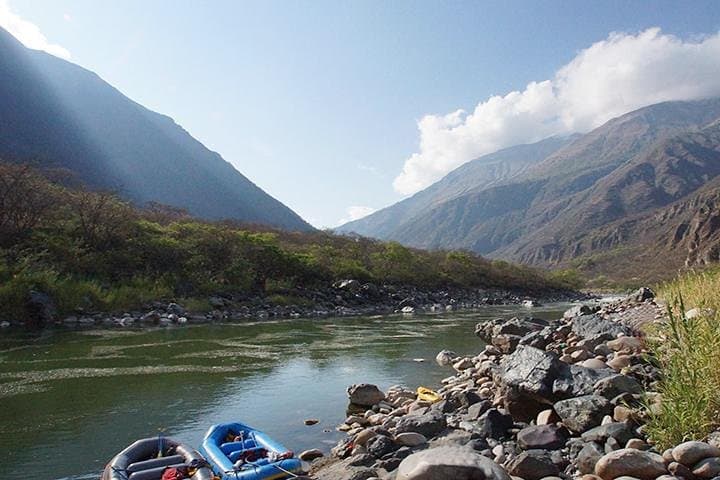
Geology here is dramatic: Andean granite and metamorphic beds direct fast water through narrow constrictions, creating the Class III–IV rapids that make this reach popular. Culturally, the Urubamba corridor has threaded Inca communities and the Sacred Valley for centuries—local lodge crews serve regional food after the trip, and stories of the river’s role in irrigation and travel linger in camp conversation.
Practically, expect an eight‑hour outing with hotel pickup, safety briefing, and roughly two hours on the water. Wear a bathing suit under the provided wetsuit, bring river shoes, sunscreen, and a quick‑dry change. Guides include a safety kayaker and rescue gear; listen closely to commands and practice the wet‑exit and paddle strokes before launching.
Timing matters: flows rise in the rainy season and can make holes more powerful; the dry months offer more predictable lines. After the run, a hot shower or sauna, and a hearty lunch restore energy. This day trip balances adrenaline and access—ideal for paddlers who want hard water without overnight logistics.
challenging.
8 hours.
Good cardiovascular fitness and core strength; able to paddle hard and exit the raft if needed.
This stretch contains Class III–IV rapids with large waves and holes; it’s technical but guided for experienced novices and intermediate paddlers.
No formal certification required, but participants should be comfortable swimming and have good fitness—guides give a full safety briefing and practice session.
Typical inclusions are hotel pickup/return from Cusco, full river kit (wetsuit, helmet, PFD, paddle), professional guides, lunch, drinks, and post‑raft facilities like showers and sauna.
The dry season (May–September) offers more predictable flows; the wet season increases difficulty and can make holes stronger, so check seasonal conditions with the operator.
The Urubamba has long linked highland communities and was central to Inca transport and agriculture; the Sacred Valley’s terraces and trails run parallel to many river segments.
River health depends on responsible tourism—use local operators who manage waste, avoid single‑use plastics, and follow Leave No Trace principles to reduce erosion and pollution.
Esteban Adventure Agencia de Operadora de Turismo. operates guided outdoor trips and adventures with an emphasis on safety, stewardship, and memorable experiences.
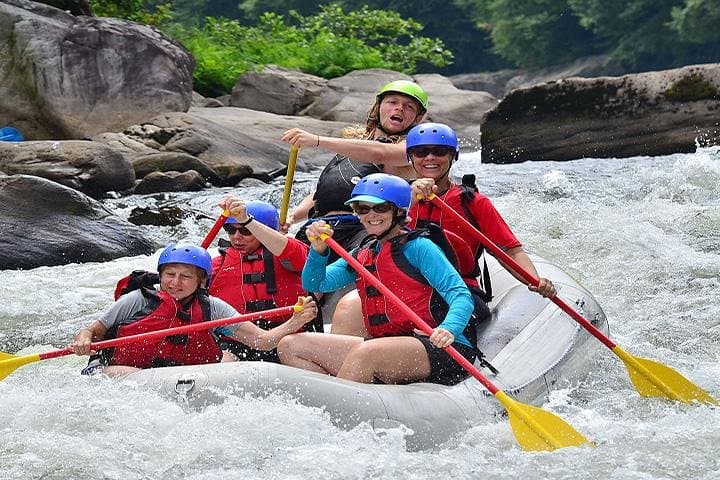
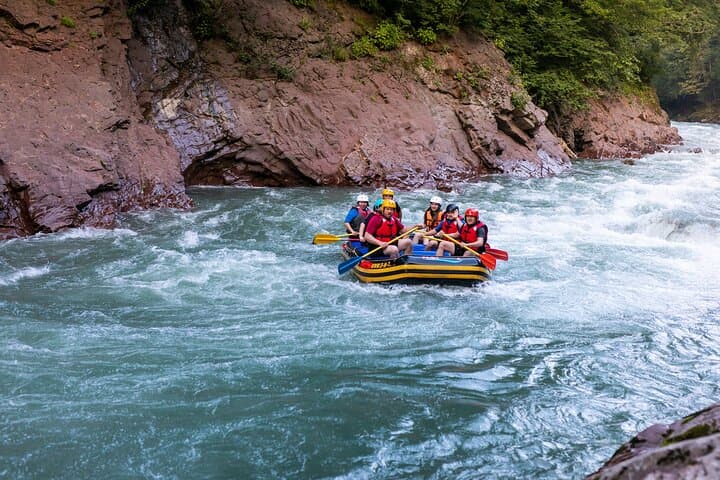
A cold, high‑altitude morning in Cusco gives way to the river’s roar as the minibus slips down toward the valley. Within 90 minutes the air warms; the Urubamba—here called the Chuquicahuana section—appears below steep, rocky banks, daring you to drop into its carved channels. Guides fit wetsuits and helmets; the raft bows lift, then plunge, through large stationary waves and punchy holes that shape this run.
A cold, high‑altitude morning in Cusco gives way to the river’s roar as the minibus slips down toward the valley. Within 90 minutes the air warms; the Urubamba—here called the Chuquicahuana section—appears below steep, rocky banks, daring you to drop into its carved channels. Guides fit wetsuits and helmets; the raft bows lift, then plunge, through large stationary waves and punchy holes that shape this run.
Geology here is dramatic: Andean granite and metamorphic beds direct fast water through narrow constrictions, creating the Class III–IV rapids that make this reach popular. Culturally, the Urubamba corridor has threaded Inca communities and the Sacred Valley for centuries—local lodge crews serve regional food after the trip, and stories of the river’s role in irrigation and travel linger in camp conversation.
Practically, expect an eight‑hour outing with hotel pickup, safety briefing, and roughly two hours on the water. Wear a bathing suit under the provided wetsuit, bring river shoes, sunscreen, and a quick‑dry change. Guides include a safety kayaker and rescue gear; listen closely to commands and practice the wet‑exit and paddle strokes before launching.
Timing matters: flows rise in the rainy season and can make holes more powerful; the dry months offer more predictable lines. After the run, a hot shower or sauna, and a hearty lunch restore energy. This day trip balances adrenaline and access—ideal for paddlers who want hard water without overnight logistics.