THE ADVENTURE COLLECTIVE® · Independent discovery and booking for outdoor travel

Ride 18 km of the Río Pescados for a raw, full-day whitewater run near Veracruz that mixes class II–IV rapids with a post-trip soak in hot springs. Expect expert guides, hands-on safety briefings and a river that alternates between playful and demanding.
Ride 18 km of the Río Pescados for a raw, full-day whitewater run near Veracruz that mixes class II–IV rapids with a post-trip soak in hot springs. Expect expert guides, hands-on safety briefings and a river that alternates between playful and demanding.
Morning light slices through the trees and the river answers with a metallic rush—the Pescados is already moving when the first rafts are inflated. Guides hand out helmets and life vests with the efficiency of people who measure risk in moving water; the group checks lines, grips paddles and listens as the river’s voice rises from a whisper to a dare. Over the next 18 kilometers the current will prod, push and occasionally shove rafters through a series of class II–IV rapids, then slow to reveal hot springs and a camp where tired shoulders melt into warm pools.
Verified experiences and guided adventures in the surrounding area.
Operated by ARENA TOURS · Veracruz, Veracruz
Morning light slices through the trees and the river answers with a metallic rush—the Pescados is already moving when the first rafts are inflated. Guides hand out helmets and life vests with the efficiency of people who measure risk in moving water; the group checks lines, grips paddles and listens as the river’s voice rises from a whisper to a dare. Over the next 18 kilometers the current will prod, push and occasionally shove rafters through a series of class II–IV rapids, then slow to reveal hot springs and a camp where tired shoulders melt into warm pools.
Río Pescados runs through the coastal plain of Veracruz, a landscape gouged by uplift and erosion where limestone and volcanic deposits meet the Gulf lowlands. Indigenous communities used these waterways for centuries; during colonial times small rivers like the Pescados served as lifelines for trade between interior farms and coastal ports. Today the river is as much a playground as it is a corridor of local life—farmsteads, shaded camp plazas and the occasional roadside stand selling fresh fruit punctuate the route.
Geologically, the river cuts through sedimentary terraces that reveal the region’s slow geological tilt toward the Gulf. Rain and seasonal flow dictate the rafting character here: higher water means bigger waves and more frequent class IV sections, while low season smooths the ride into longer eddies and scenic floats.
Culturally, the day ends with a local rhythm—box lunch under palms, laughter in the camp’s changing rooms, and the slow steam of thermal pools that have been used for generations. Guides on this route are certified and bilingual at many camps; they teach paddle techniques, river reading and how to bail safely if a boat flips.
Practical guidance: plan for a full day. Pickup from hotels in Veracruz or Boca del Río begins early; the group meets at camp around 9:00 AM. Expect about 3–4 hours on the water and an overall 8–9 hour outing including transport, safety briefings and time at the hot springs. Rapids are rated II–IV—this is not a beginner float, but prior rafting experience isn’t required. Wear closed water shoes with good tread, quick-dry clothing, and secure sunglasses. Bring a dry bag for a small camera or phone; devices should be tethered.
Hydrate before you arrive—tropical sun and river exertion make a difference. If you have a bad back, heart conditions or pregnancy the operators advise against participation. Respect the river: use reef-safe sunscreen, avoid littering, and let guides handle tricky maneuvers. When you step out at the final camp, the pools and green spaces offer the kind of slow calm that makes the day feel complete—the river will have pushed you, and then given you back warm, steady water to rest in.
moderate.
8–9 hours (including transport and hot springs).
Moderate fitness; able to sit, paddle and brace for several hours and handle sudden bursts of exertion
The river run covers about 18 km; plan for roughly 3–4 hours of rafting within a full-day 8–9 hour schedule including transfers and time at camp.
Rapids range from class II to IV—guides lead the group and no prior experience is required, but basic paddling ability and comfort in moving water help.
Policies vary; infants may ride in strollers during transfers but check age restrictions with the operator—many sections are not suitable for very young children.
Closed water shoes, quick-dry clothing, and a sun-protective layer; avoid cotton—bring a towel and dry change of clothes for after the hot springs.
Round-trip hotel pickup from Veracruz or Boca del Río is included; pickup times are early and exact locations are confirmed after booking.
This trip is not recommended for guests with serious heart conditions, pregnancy, or significant spinal problems—consult the operator for details.
Small coastal rivers in Veracruz were historically used by indigenous communities and later by colonial traders to move goods from inland farms to Gulf ports.
Operators emphasize leave-no-trace practices and encourage biodegradable sunscreen and responsible waste disposal to protect river health and hot spring pools.
ARENA TOURS operates guided outdoor trips and adventures with an emphasis on safety, stewardship, and memorable experiences.
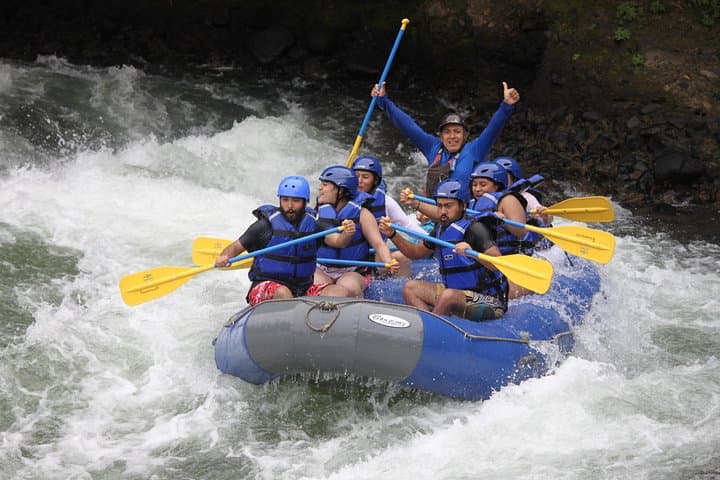
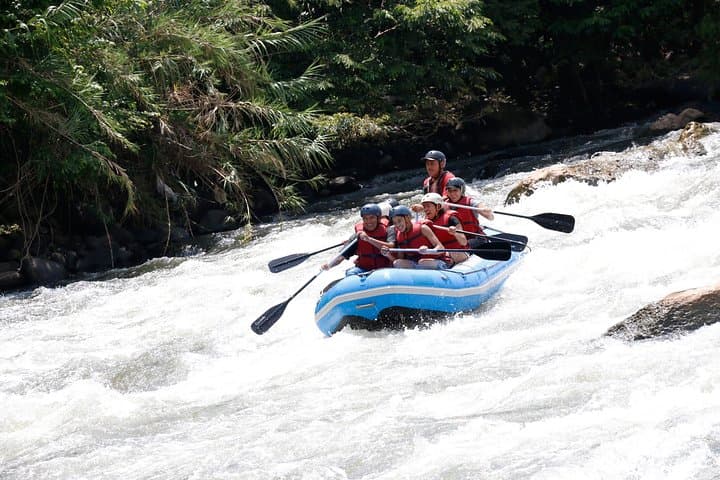
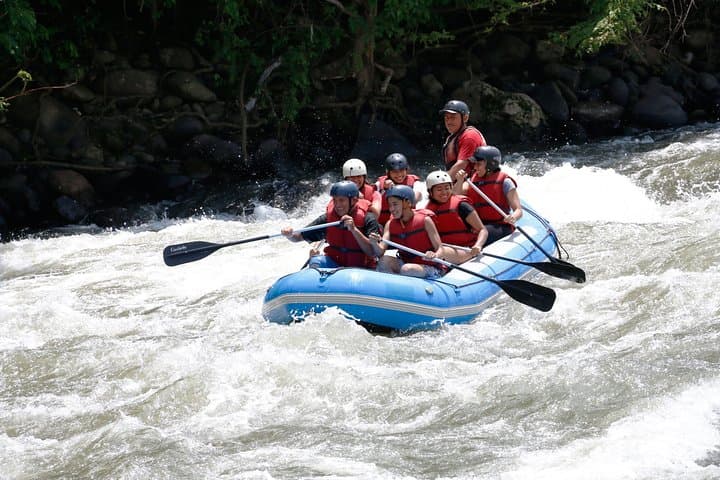
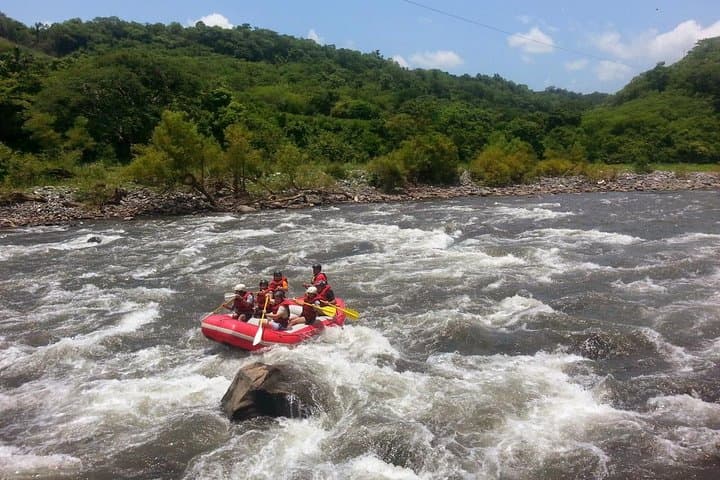
Morning light slices through the trees and the river answers with a metallic rush—the Pescados is already moving when the first rafts are inflated. Guides hand out helmets and life vests with the efficiency of people who measure risk in moving water; the group checks lines, grips paddles and listens as the river’s voice rises from a whisper to a dare. Over the next 18 kilometers the current will prod, push and occasionally shove rafters through a series of class II–IV rapids, then slow to reveal hot springs and a camp where tired shoulders melt into warm pools.
Morning light slices through the trees and the river answers with a metallic rush—the Pescados is already moving when the first rafts are inflated. Guides hand out helmets and life vests with the efficiency of people who measure risk in moving water; the group checks lines, grips paddles and listens as the river’s voice rises from a whisper to a dare. Over the next 18 kilometers the current will prod, push and occasionally shove rafters through a series of class II–IV rapids, then slow to reveal hot springs and a camp where tired shoulders melt into warm pools.
Río Pescados runs through the coastal plain of Veracruz, a landscape gouged by uplift and erosion where limestone and volcanic deposits meet the Gulf lowlands. Indigenous communities used these waterways for centuries; during colonial times small rivers like the Pescados served as lifelines for trade between interior farms and coastal ports. Today the river is as much a playground as it is a corridor of local life—farmsteads, shaded camp plazas and the occasional roadside stand selling fresh fruit punctuate the route.
Geologically, the river cuts through sedimentary terraces that reveal the region’s slow geological tilt toward the Gulf. Rain and seasonal flow dictate the rafting character here: higher water means bigger waves and more frequent class IV sections, while low season smooths the ride into longer eddies and scenic floats.
Culturally, the day ends with a local rhythm—box lunch under palms, laughter in the camp’s changing rooms, and the slow steam of thermal pools that have been used for generations. Guides on this route are certified and bilingual at many camps; they teach paddle techniques, river reading and how to bail safely if a boat flips.
Practical guidance: plan for a full day. Pickup from hotels in Veracruz or Boca del Río begins early; the group meets at camp around 9:00 AM. Expect about 3–4 hours on the water and an overall 8–9 hour outing including transport, safety briefings and time at the hot springs. Rapids are rated II–IV—this is not a beginner float, but prior rafting experience isn’t required. Wear closed water shoes with good tread, quick-dry clothing, and secure sunglasses. Bring a dry bag for a small camera or phone; devices should be tethered.
Hydrate before you arrive—tropical sun and river exertion make a difference. If you have a bad back, heart conditions or pregnancy the operators advise against participation. Respect the river: use reef-safe sunscreen, avoid littering, and let guides handle tricky maneuvers. When you step out at the final camp, the pools and green spaces offer the kind of slow calm that makes the day feel complete—the river will have pushed you, and then given you back warm, steady water to rest in.