THE ADVENTURE COLLECTIVE® · Independent discovery and booking for outdoor travel

Charge the Río Negro from Baños de Agua Santa on a 1.5‑hour Class III+/IV descent framed by volcanic cliffs and roadside waterfalls. This full‑service half‑day trip includes transport, wetsuit, safety gear, photos and lunch — ideal for paddlers ready for technical whitewater and Andean scenery.
Charge the Río Negro from Baños de Agua Santa on a 1.5‑hour Class III+/IV descent framed by volcanic cliffs and roadside waterfalls. This full‑service half‑day trip includes transport, wetsuit, safety gear, photos and lunch — ideal for paddlers ready for technical whitewater and Andean scenery.
The river hits first — cold, brown water churning between black volcanic rock and steep green banks, fog from hidden waterfalls clinging to the trees. You push off near Baños de Agua Santa and feel the channel pick up; the Río Negro runs fast here, throwing the raft into pocketed currents and glossy, sudden waves that demand quick paddling and sharper focus.
Verified experiences and guided adventures in the surrounding area.
Operated by Top Sport Adventure · Baños de Agua Santa, Tungurahua
The river hits first — cold, brown water churning between black volcanic rock and steep green banks, fog from hidden waterfalls clinging to the trees. You push off near Baños de Agua Santa and feel the channel pick up; the Río Negro runs fast here, throwing the raft into pocketed currents and glossy, sudden waves that demand quick paddling and sharper focus.
This corridor is carved from volcanic flows fed by the nearby Tungurahua massif and shaped by decades of erosive runoff. Baños itself grew as a hot‑spring and pilgrim town at the foot of the volcano; today it’s the staging ground for paddlers seeking intense whitewater and a side of Andean culture — roadside fruit stands, small cacao farms and cascades you pass on the 50‑minute drive toward Puyo.
Expect roughly 1.5 hours of active class III+ and IV descent on the Río Negro inside a 5.5‑hour excursion that includes transport, safety gear, photos and lunch. Guides run safety briefings and deploy rescue kayaks; helmets and lifejackets are standard and wetsuits are provided. The river tests teamwork and timing rather than pure strength: anticipate strong eddies, technical boofs and mandatory swims for unprepared parties.
Practical notes: arrive with a light, secure pack or leave valuables in the vans; use shoes with good grip; hydrate and eat but avoid heavy meals immediately before hitting rapids. The trip is not recommended for pregnant travelers or those with serious heart conditions. For photographers: waterproof housings or a guide‑shot package are the safest ways to take home images. This run rewards controlled risk — it pushes you, then releases you back into the warm comfort of Baños’ thermal pools and a well‑earned lunch.
challenging.
5–6 hours.
Moderate to fit — comfortable with sustained paddling, braces and brief swims; good cardiovascular base recommended
The active descent on the Río Negro is approximately 1.5 hours within a total 5.5‑hour excursion including transport and lunch.
Yes — the operator supplies wetsuits, helmets, lifejackets and safety kayaks; you should bring river shoes and quick‑dry clothes.
No formal experience is required, but participants should be comfortable swimming and able to follow guide commands; the trip is rated Class III+ to IV.
Full refunds are available with cancellation at least 24 hours prior; the operator cancels for bad weather and will refund if the trip cannot run.
Baños developed around thermal springs and a 17th‑century shrine to the Virgin of Agua Santa; the town’s economy grew with pilgrims and later ecotourists seeking the surrounding volcanic landscapes.
Operators emphasize minimizing riverbank impact and use guided briefings to prevent litter; avoid single‑use plastics and follow guide instructions to protect riparian zones.
Top Sport Adventure operates guided outdoor trips and adventures with an emphasis on safety, stewardship, and memorable experiences.
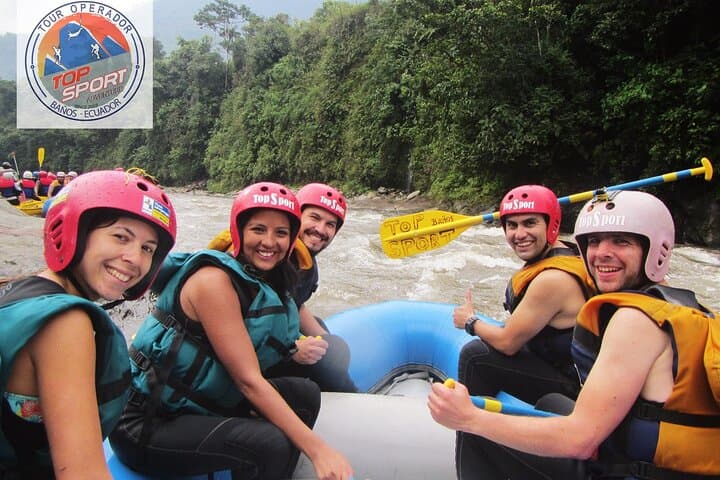
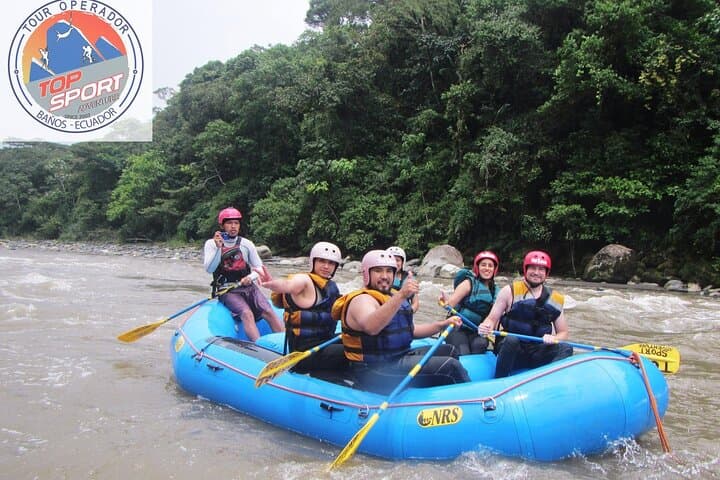
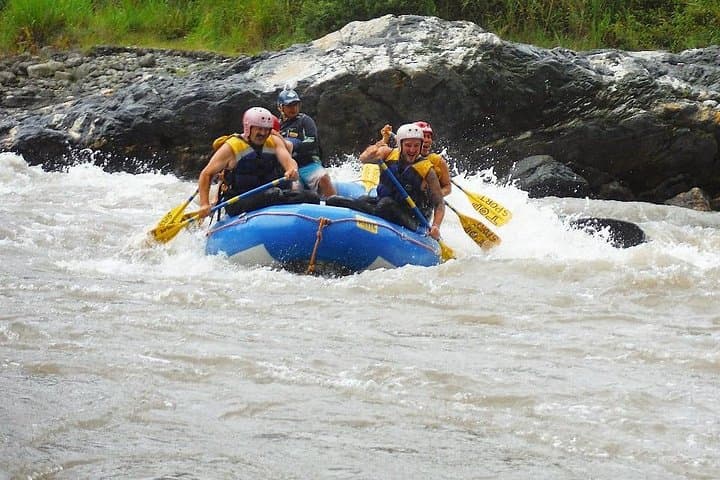
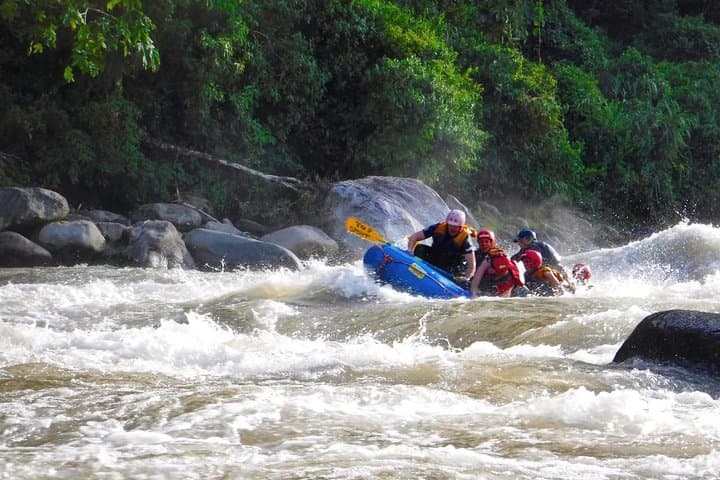
The river hits first — cold, brown water churning between black volcanic rock and steep green banks, fog from hidden waterfalls clinging to the trees. You push off near Baños de Agua Santa and feel the channel pick up; the Río Negro runs fast here, throwing the raft into pocketed currents and glossy, sudden waves that demand quick paddling and sharper focus.
The river hits first — cold, brown water churning between black volcanic rock and steep green banks, fog from hidden waterfalls clinging to the trees. You push off near Baños de Agua Santa and feel the channel pick up; the Río Negro runs fast here, throwing the raft into pocketed currents and glossy, sudden waves that demand quick paddling and sharper focus.
This corridor is carved from volcanic flows fed by the nearby Tungurahua massif and shaped by decades of erosive runoff. Baños itself grew as a hot‑spring and pilgrim town at the foot of the volcano; today it’s the staging ground for paddlers seeking intense whitewater and a side of Andean culture — roadside fruit stands, small cacao farms and cascades you pass on the 50‑minute drive toward Puyo.
Expect roughly 1.5 hours of active class III+ and IV descent on the Río Negro inside a 5.5‑hour excursion that includes transport, safety gear, photos and lunch. Guides run safety briefings and deploy rescue kayaks; helmets and lifejackets are standard and wetsuits are provided. The river tests teamwork and timing rather than pure strength: anticipate strong eddies, technical boofs and mandatory swims for unprepared parties.
Practical notes: arrive with a light, secure pack or leave valuables in the vans; use shoes with good grip; hydrate and eat but avoid heavy meals immediately before hitting rapids. The trip is not recommended for pregnant travelers or those with serious heart conditions. For photographers: waterproof housings or a guide‑shot package are the safest ways to take home images. This run rewards controlled risk — it pushes you, then releases you back into the warm comfort of Baños’ thermal pools and a well‑earned lunch.