THE ADVENTURE COLLECTIVE® · Independent discovery and booking for outdoor travel

A full-day whitewater expedition that runs a 20–25km stretch of Class III–IV rapids on the Río Majes, beginning with a 3-hour drive from Arequipa and ending with local river shrimp and a visit to the Toro Muerto petroglyphs. Expect technical rapids, canyon views, and local cultural stops.
A full-day whitewater expedition that runs a 20–25km stretch of Class III–IV rapids on the Río Majes, beginning with a 3-hour drive from Arequipa and ending with local river shrimp and a visit to the Toro Muerto petroglyphs. Expect technical rapids, canyon views, and local cultural stops.
The morning bus peels away from Arequipa when the city is still rinsing off its night—smoke from bakeries, church bells, and the slow heat of the high plateau. By midmorning the road threads down toward the Majes Valley, and the landscape loosens: volcanic ridges give way to terraced farms and the river’s canyon steps into view. You arrive at the put-in with the taste of dust and coffee on your tongue and the river, steely and fast, daring you to climb aboard.
Verified experiences and guided adventures in the surrounding area.
Operated by Kanuwa Rafting · Arequipa, Arequipa
The morning bus peels away from Arequipa when the city is still rinsing off its night—smoke from bakeries, church bells, and the slow heat of the high plateau. By midmorning the road threads down toward the Majes Valley, and the landscape loosens: volcanic ridges give way to terraced farms and the river’s canyon steps into view. You arrive at the put-in with the taste of dust and coffee on your tongue and the river, steely and fast, daring you to climb aboard.
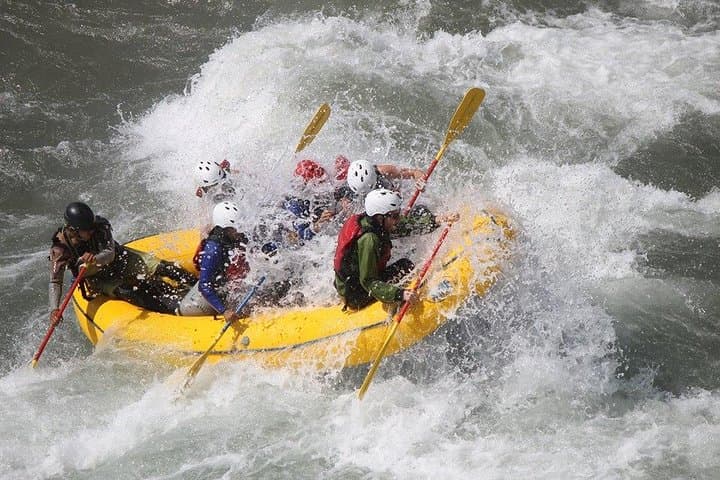
The Río Majes is not a placid tourist float; it’s a working river carved through volcanic and sedimentary rock, dropping over 20–25km through a sequence of Class III and IV rapids that demand attention. Geologically, the valley is a margin where Andean uplift meets coastal basalts, and the result is a river that alternates swift riffles, clean drops, and tight, technical slots. Culturally the route ends in the lowland farms of the Majes irrigation system—fields fed by one of the region’s crucial waterworks—and the day finishes with a plate of river shrimp, a local specialty that tastes of lime and sun.
History here is layered. Near the river sit the Toro Muerto petroglyphs—thousands of prehistoric engravings that speak to a long human relationship with the valley’s resources. Colonial-era canals and haciendas later refashioned the same landscape into irrigated agriculture; today, rafting routes thread through that human story, combining adrenaline with a strong sense of place.
Practicalities: operators run a roughly 20–25km stretch that takes about three hours on the water; plan on a full day overall because the put-in is about a three-hour drive from Arequipa. The river is technical in sections—expect sustained class III and occasional IV flips—and guides outfit you with helmets, life vests, wetsuits, booties and splash jackets. All participants must know how to swim and be in at least moderate physical shape.
Pack light but smart: a swimsuit under quick-dry layers, secure water shoes, high-SPF sunscreen, and a small dry bag for a phone or camera. Bring cash for local snacks and the shrimp lunch, and be prepared for temperature swings from cool canyon shade to hot valley sun.
Safety and comfort are straightforward: follow your guide’s commands, keep a low center of gravity in rapids, and hydrate steadily. After the last rapid, allow time to walk the petroglyph panels or visit a local déjeuner counter for river shrimp—both feel like the day’s natural denouement.
If you want a full-day that pairs serious whitewater with cultural context—rock art, local food, and the slow rhythms of irrigation agriculture—Río Majes delivers. It’s a trip that moves you through both landscape and time, with enough speed to keep you wide awake.
challenging.
8–10 hours (full-day, includes transfers).
Moderate to strong cardio fitness recommended; swimmers only. Be able to sit, paddle and react for several hours.
No — guides will brief basics and the trip accepts beginners, but you must be comfortable swimming and following guide commands in Class III–IV rapids.
The put-in is approximately a three-hour drive from Arequipa city center; operators schedule early pickup to make a full day out of the excursion.
Children can participate if they are strong swimmers and meet the operator’s age guidelines—confirm age and physical ability when booking.
Operators may cancel for unsafe river conditions; the tour policy allows refunds if canceled with sufficient notice—check the 24-hour cancellation terms.
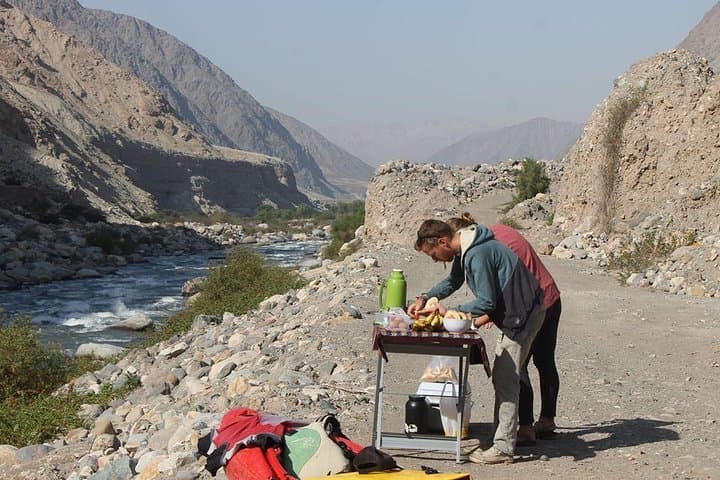
Yes — breakfast, snacks, coffee/tea and a full lunch (including the local Majes river shrimp option) are included; advise dietary restrictions ahead of time.
Swimsuit, towel, change of clothes, water bottle, sunscreen, insect repellent, dry bag and any necessary medications.
The Majes Valley preserves pre-Columbian rock art like Toro Muerto and later colonial-era irrigation works; the river has shaped local agriculture and culture for millennia.
Operators typically follow leave-no-trace protocols and limit group sizes; water extraction and agricultural runoff are local concerns—pack out plastics and support operators that minimize impact.
Kanuwa Rafting operates guided outdoor trips and adventures with an emphasis on safety, stewardship, and memorable experiences.
The morning bus peels away from Arequipa when the city is still rinsing off its night—smoke from bakeries, church bells, and the slow heat of the high plateau. By midmorning the road threads down toward the Majes Valley, and the landscape loosens: volcanic ridges give way to terraced farms and the river’s canyon steps into view. You arrive at the put-in with the taste of dust and coffee on your tongue and the river, steely and fast, daring you to climb aboard.
The morning bus peels away from Arequipa when the city is still rinsing off its night—smoke from bakeries, church bells, and the slow heat of the high plateau. By midmorning the road threads down toward the Majes Valley, and the landscape loosens: volcanic ridges give way to terraced farms and the river’s canyon steps into view. You arrive at the put-in with the taste of dust and coffee on your tongue and the river, steely and fast, daring you to climb aboard.
The Río Majes is not a placid tourist float; it’s a working river carved through volcanic and sedimentary rock, dropping over 20–25km through a sequence of Class III and IV rapids that demand attention. Geologically, the valley is a margin where Andean uplift meets coastal basalts, and the result is a river that alternates swift riffles, clean drops, and tight, technical slots. Culturally the route ends in the lowland farms of the Majes irrigation system—fields fed by one of the region’s crucial waterworks—and the day finishes with a plate of river shrimp, a local specialty that tastes of lime and sun.
History here is layered. Near the river sit the Toro Muerto petroglyphs—thousands of prehistoric engravings that speak to a long human relationship with the valley’s resources. Colonial-era canals and haciendas later refashioned the same landscape into irrigated agriculture; today, rafting routes thread through that human story, combining adrenaline with a strong sense of place.
Practicalities: operators run a roughly 20–25km stretch that takes about three hours on the water; plan on a full day overall because the put-in is about a three-hour drive from Arequipa. The river is technical in sections—expect sustained class III and occasional IV flips—and guides outfit you with helmets, life vests, wetsuits, booties and splash jackets. All participants must know how to swim and be in at least moderate physical shape.
Pack light but smart: a swimsuit under quick-dry layers, secure water shoes, high-SPF sunscreen, and a small dry bag for a phone or camera. Bring cash for local snacks and the shrimp lunch, and be prepared for temperature swings from cool canyon shade to hot valley sun.
Safety and comfort are straightforward: follow your guide’s commands, keep a low center of gravity in rapids, and hydrate steadily. After the last rapid, allow time to walk the petroglyph panels or visit a local déjeuner counter for river shrimp—both feel like the day’s natural denouement.
If you want a full-day that pairs serious whitewater with cultural context—rock art, local food, and the slow rhythms of irrigation agriculture—Río Majes delivers. It’s a trip that moves you through both landscape and time, with enough speed to keep you wide awake.