THE ADVENTURE COLLECTIVE® · Independent discovery and booking for outdoor travel

Experience spring whitewater on the Drac near Gap: a 2½-hour guided run through the La Fare–La Guinguette rapids that balances playful waves with clear safety instruction. Perfect for adventurers who can swim and want a brisk alpine river ride.
Experience spring whitewater on the Drac near Gap: a 2½-hour guided run through the La Fare–La Guinguette rapids that balances playful waves with clear safety instruction. Perfect for adventurers who can swim and want a brisk alpine river ride.
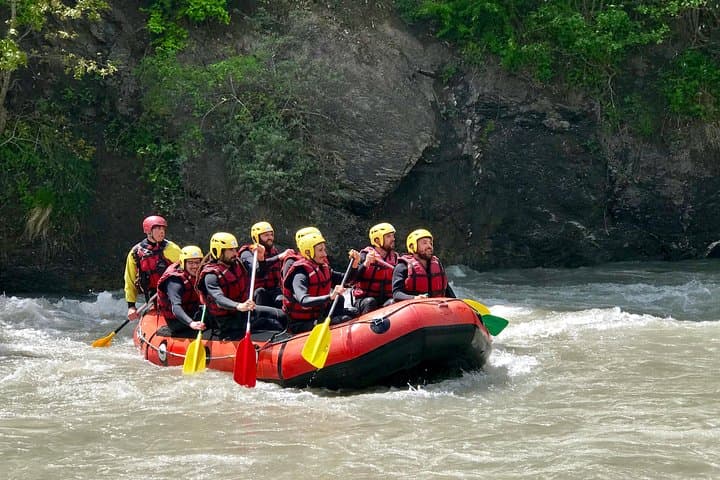
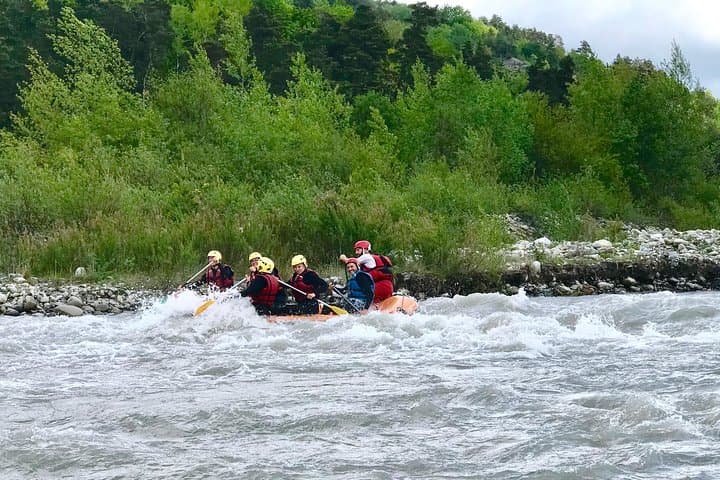
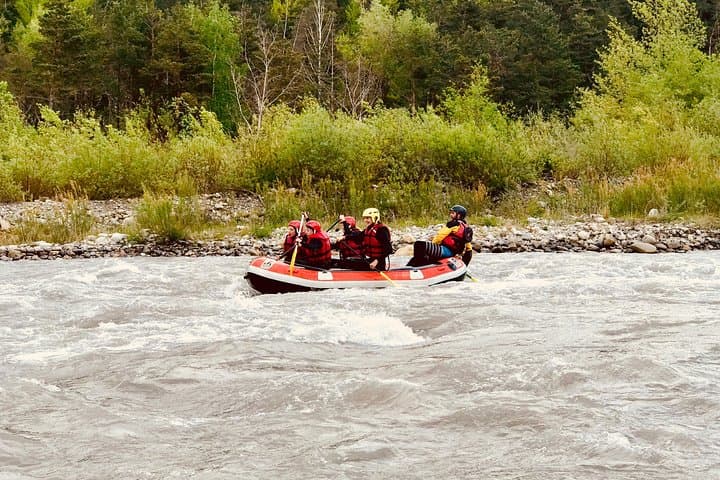
You push off from the gravel bank and the river takes over—cold, fast, and uncompromising. The Drac roars as if testing your intent, a braided ribbon of snowmelt racing down from the Hautes-Alpes. On the La Fare–La Guinguette section, the guide's commands cut through spray and laughter: paddle left, brace, hold on. For 2½ hours the raft becomes a simple covenant between human hands and a river that will not be toyed with.
Verified experiences and guided adventures in the surrounding area.
Operated by EVP - Eau Vive Passion · Gap, Hautes-Alpes
You push off from the gravel bank and the river takes over—cold, fast, and uncompromising. The Drac roars as if testing your intent, a braided ribbon of snowmelt racing down from the Hautes-Alpes. On the La Fare–La Guinguette section, the guide's commands cut through spray and laughter: paddle left, brace, hold on. For 2½ hours the raft becomes a simple covenant between human hands and a river that will not be toyed with.
This stretch of the Drac has long shaped the local landscape and livelihoods. Fed by the Chaillol snowfields and the higher Dauphiné Alps, the river carved narrow gorges and terraces that supported mills and small farms for centuries. Today, the road that runs parallel—Gap to Grenoble—still echoes with the same flow of movement: shepherds, traders, and now rafters seeking the seasonal surge of spring.
Geologically the valley is young and energetic. The water carries glacial melt and coarse sediment, scouring bedrock and throwing up sudden drops and standing waves. Culturally, the Drac corridor has always been a link between alpine outposts and the plains—stop at La Guinguette and you’ll find a riverside bar where locals trade fishing tips and maps to hidden cascades.
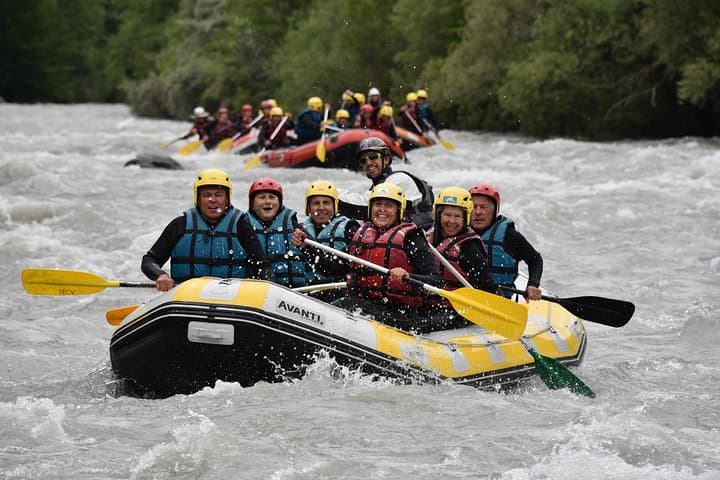
Practically, this is a guided, all-ages-friendly run that rewards basic strength and a willingness to get wet. The operator outfits every participant with CE-standard neoprene (5 mm suit, jacket, booties), helmet, vest and a paddle. Expect fast-moving rapids in April–May: the current will push you through class II–III waves with occasional surges that feel fiercer when the melt picks up.
Fitness and preparation matter. You do not need whitewater experience, but you should be comfortable in water and able to follow commands—this is not a float trip. Bring a swimsuit, secure footwear (no flip-flops), and a lightweight change of clothes for after. The meeting point is behind the roundabout bar on the main Gap–Grenoble road by the river; operators provide private transport to put-in and take-out as needed.
Timing is key: spring delivers the drama—higher water and lively waves—while late summer reduces flow to gentler runs. Guides brief thoroughly on paddling technique and self-rescue basics before launch. Listen, lean into the rhythm, and let the Drac do what it does: it will test you, reward you with speed and spray, and leave you grinning on the bank when the final eddy settles.
moderate.
2–3 hours.
Moderate fitness: able to paddle actively, brace in waves, and follow verbal commands; comfortable in cold water.
No—guided runs are designed for novices, but you must be able to swim and follow the guide’s instructions.
Operators typically allow most ages with parental consent for minors; check directly for any minimum age or maximum weight restrictions.
A quick-dry swimsuit or synthetic base layer; avoid cotton which stays wet and chills you after the trip.
Yes—high water, storms, or unsafe conditions can cancel the run; refunds or rescheduling follow the operator’s 24‑hour policy.
Not recommended—unless stored in a proper dry bag and secured to you; phones are easily lost in rapids.
Moderate—short bursts of paddling and bracing are required, plus the ability to sit in a moving raft for the duration.
The Drac has long linked alpine communities to the valleys; its seasonal surges historically powered mills and shaped local agriculture.
River management balances recreational use with trout habitat and erosion control—stick to marked access points and avoid bank trampling to limit impact.
EVP - Eau Vive Passion operates guided outdoor trips and adventures with an emphasis on safety, stewardship, and memorable experiences.
You push off from the gravel bank and the river takes over—cold, fast, and uncompromising. The Drac roars as if testing your intent, a braided ribbon of snowmelt racing down from the Hautes-Alpes. On the La Fare–La Guinguette section, the guide's commands cut through spray and laughter: paddle left, brace, hold on. For 2½ hours the raft becomes a simple covenant between human hands and a river that will not be toyed with.
You push off from the gravel bank and the river takes over—cold, fast, and uncompromising. The Drac roars as if testing your intent, a braided ribbon of snowmelt racing down from the Hautes-Alpes. On the La Fare–La Guinguette section, the guide's commands cut through spray and laughter: paddle left, brace, hold on. For 2½ hours the raft becomes a simple covenant between human hands and a river that will not be toyed with.
This stretch of the Drac has long shaped the local landscape and livelihoods. Fed by the Chaillol snowfields and the higher Dauphiné Alps, the river carved narrow gorges and terraces that supported mills and small farms for centuries. Today, the road that runs parallel—Gap to Grenoble—still echoes with the same flow of movement: shepherds, traders, and now rafters seeking the seasonal surge of spring.
Geologically the valley is young and energetic. The water carries glacial melt and coarse sediment, scouring bedrock and throwing up sudden drops and standing waves. Culturally, the Drac corridor has always been a link between alpine outposts and the plains—stop at La Guinguette and you’ll find a riverside bar where locals trade fishing tips and maps to hidden cascades.
Practically, this is a guided, all-ages-friendly run that rewards basic strength and a willingness to get wet. The operator outfits every participant with CE-standard neoprene (5 mm suit, jacket, booties), helmet, vest and a paddle. Expect fast-moving rapids in April–May: the current will push you through class II–III waves with occasional surges that feel fiercer when the melt picks up.
Fitness and preparation matter. You do not need whitewater experience, but you should be comfortable in water and able to follow commands—this is not a float trip. Bring a swimsuit, secure footwear (no flip-flops), and a lightweight change of clothes for after. The meeting point is behind the roundabout bar on the main Gap–Grenoble road by the river; operators provide private transport to put-in and take-out as needed.
Timing is key: spring delivers the drama—higher water and lively waves—while late summer reduces flow to gentler runs. Guides brief thoroughly on paddling technique and self-rescue basics before launch. Listen, lean into the rhythm, and let the Drac do what it does: it will test you, reward you with speed and spray, and leave you grinning on the bank when the final eddy settles.