THE ADVENTURE COLLECTIVE® · Independent discovery and booking for outdoor travel

Float and paddle through the Sava Dolinka's class II–III rapids for a 3‑hour family-friendly rafting run with alpine views and professional guides. This accessible adventure combines easy whitewater, scenic stretches and included pickup from Bled.
Float and paddle through the Sava Dolinka's class II–III rapids for a 3‑hour family-friendly rafting run with alpine views and professional guides. This accessible adventure combines easy whitewater, scenic stretches and included pickup from Bled.
A low, cold wind off the Julian Alps cuts across the river just before the raft slides into the first set of waves. You feel the current tug at the hull, guides shout a quick chorus of commands, and the raft leans into class II–III drops that are lively but not savage. For 90 minutes the Sava Dolinka pushes you past gravel bars and alder-lined bends, with constant views of craggy peaks that rise like a wall behind townhouses and pasture.
Verified experiences and guided adventures in the surrounding area.
Operated by Adventure Rafting Bled · Bled, Upper Carniola
A low, cold wind off the Julian Alps cuts across the river just before the raft slides into the first set of waves. You feel the current tug at the hull, guides shout a quick chorus of commands, and the raft leans into class II–III drops that are lively but not savage. For 90 minutes the Sava Dolinka pushes you past gravel bars and alder-lined bends, with constant views of craggy peaks that rise like a wall behind townhouses and pasture.
This section of the Sava Dolinka has been carrying mountain melt and human traffic for centuries. The river begins in the high karst springs near Kranjska Gora and, as it reaches Bled, slows into wider channels interrupted by riffles—perfect for an introductory whitewater run. The geology is limestone and dolomite; cut banks expose pale rock and the occasional fossil while the river's sediment creates gravel islands where willow and alder stake small claims.
Locals treat rafting as a summer rhythm: a way to cool off, to connect with nearby nature without the logistical drag of a multi-day trip. The guides you'll meet are often swift-water rescue certified and raised on the same river, and their practical knowledge—how the river will change after a storm, which eddy hides a slick current—matters more than rhetoric.
Practicalities are straightforward. The full experience runs about three hours from pickup to drop-off; expect roughly 1.5 hours actually on the water over a course of about 7–9 kilometers. Rapids are graded II–III (easy to intermediate), so paddling bursts alternate with long stretches where you simply float and look up at the mountains. Minimum age is 3, though children under 12 must raft with an adult. All necessary gear—helmets, PFDs, paddles—is supplied; guides handle safety briefings and demonstrate re-entry techniques.
Booking logistics: in high season you’ll find departures at 10:00, 14:00 and 17:30; in shoulder months usually one morning departure. Expect transfers from Bled accommodations and allow extra time for summer traffic. The operator can cancel if river levels are unsafe; in that case you’ll be offered an alternate date or a full refund.
What to bring: quick-dry clothing, sturdy water shoes, sun protection and a small dry bag for your phone. If you want a quieter run, choose the earliest trip—light is better for photos and the river tends to calm later in the afternoon. Above all, trust the guide: they read the river in ways a map cannot, and following their commands is the surest route to a memorable, safe float through one of Slovenia’s most accessible alpine corridors.
moderate.
3 hours (approx. 1.5 hours on water).
Suitable for most people with basic mobility; expect short bursts of paddling and occasional wet exits—good aerobic baseline helpful.
Yes—minimum age is 3; children under 12 must be accompanied by an adult. Guides tailor the run to family groups and prioritize safety.
Trips operate subject to appropriate water levels; unsafe conditions lead to cancellation with an option for a full refund or rescheduling.
You should be comfortable in water but formal swimming skills aren’t mandatory—guides equip PFDs and teach safety drills; however, basic swimming is a plus.
Yes—pickup and drop-off at accommodations in the Bled area are included; exact pickup time is confirmed one day before departure.
Quick-dry clothes, water shoes, and a light layer for cooler mornings; avoid jeans. Helmets and PFDs are provided by the operator.
Group sizes vary; trips run as shared tours and operators pair parties to fill rafts, typically seating 6–10 people depending on raft type.
The Sava Dolinka is the upper headwater of the Sava river system; historically it shaped local trade routes and powered small mills before tourism grew in the 20th century.
Operators follow strict gear and waste-management practices; avoid sunscreen with harmful chemicals and keep to suggested pick-up points to minimize bank erosion.
Adventure Rafting Bled operates guided outdoor trips and adventures with an emphasis on safety, stewardship, and memorable experiences.
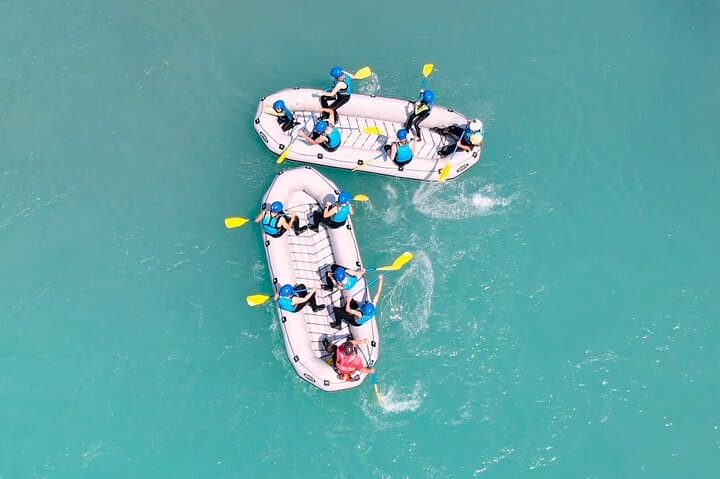
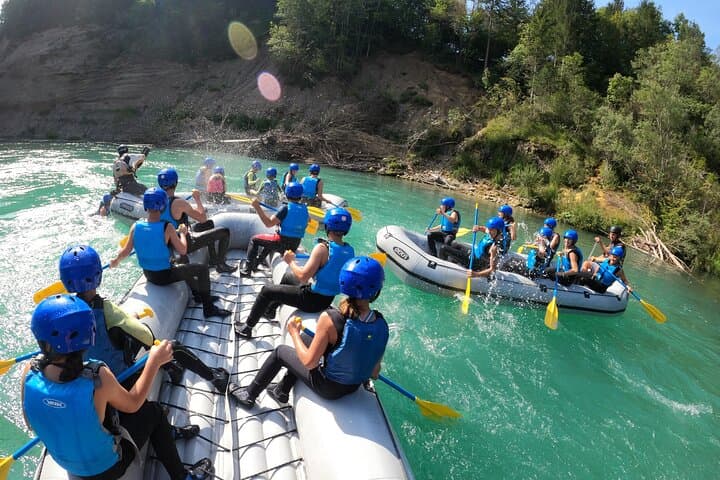
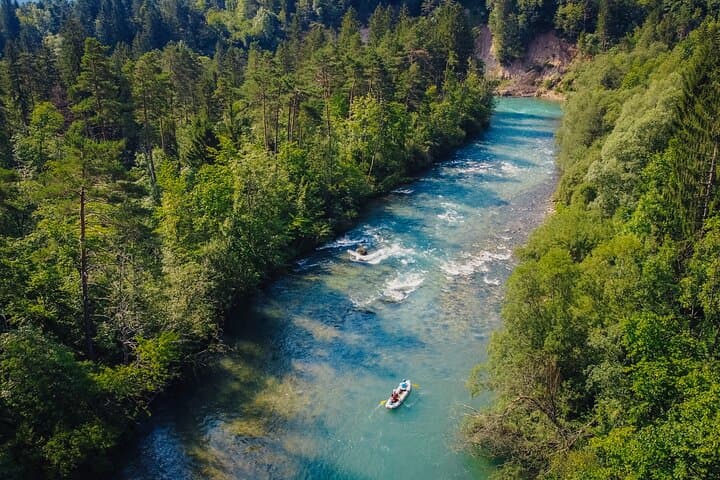
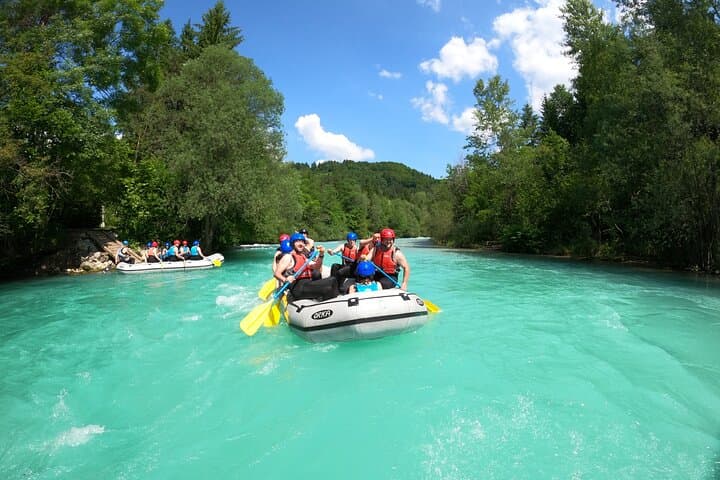
A low, cold wind off the Julian Alps cuts across the river just before the raft slides into the first set of waves. You feel the current tug at the hull, guides shout a quick chorus of commands, and the raft leans into class II–III drops that are lively but not savage. For 90 minutes the Sava Dolinka pushes you past gravel bars and alder-lined bends, with constant views of craggy peaks that rise like a wall behind townhouses and pasture.
A low, cold wind off the Julian Alps cuts across the river just before the raft slides into the first set of waves. You feel the current tug at the hull, guides shout a quick chorus of commands, and the raft leans into class II–III drops that are lively but not savage. For 90 minutes the Sava Dolinka pushes you past gravel bars and alder-lined bends, with constant views of craggy peaks that rise like a wall behind townhouses and pasture.
This section of the Sava Dolinka has been carrying mountain melt and human traffic for centuries. The river begins in the high karst springs near Kranjska Gora and, as it reaches Bled, slows into wider channels interrupted by riffles—perfect for an introductory whitewater run. The geology is limestone and dolomite; cut banks expose pale rock and the occasional fossil while the river's sediment creates gravel islands where willow and alder stake small claims.
Locals treat rafting as a summer rhythm: a way to cool off, to connect with nearby nature without the logistical drag of a multi-day trip. The guides you'll meet are often swift-water rescue certified and raised on the same river, and their practical knowledge—how the river will change after a storm, which eddy hides a slick current—matters more than rhetoric.
Practicalities are straightforward. The full experience runs about three hours from pickup to drop-off; expect roughly 1.5 hours actually on the water over a course of about 7–9 kilometers. Rapids are graded II–III (easy to intermediate), so paddling bursts alternate with long stretches where you simply float and look up at the mountains. Minimum age is 3, though children under 12 must raft with an adult. All necessary gear—helmets, PFDs, paddles—is supplied; guides handle safety briefings and demonstrate re-entry techniques.
Booking logistics: in high season you’ll find departures at 10:00, 14:00 and 17:30; in shoulder months usually one morning departure. Expect transfers from Bled accommodations and allow extra time for summer traffic. The operator can cancel if river levels are unsafe; in that case you’ll be offered an alternate date or a full refund.
What to bring: quick-dry clothing, sturdy water shoes, sun protection and a small dry bag for your phone. If you want a quieter run, choose the earliest trip—light is better for photos and the river tends to calm later in the afternoon. Above all, trust the guide: they read the river in ways a map cannot, and following their commands is the surest route to a memorable, safe float through one of Slovenia’s most accessible alpine corridors.