THE ADVENTURE COLLECTIVE® · Independent discovery and booking for outdoor travel

Spend a day from Kota Kinabalu tracking Borneo’s famous Rafflesia blooms. This guided tour combines easy rainforest walks, local conservation insights, and a chance to see the world’s largest flower in its fragile habitat.
Spend a day from Kota Kinabalu tracking Borneo’s famous Rafflesia blooms. This guided tour combines easy rainforest walks, local conservation insights, and a chance to see the world’s largest flower in its fragile habitat.
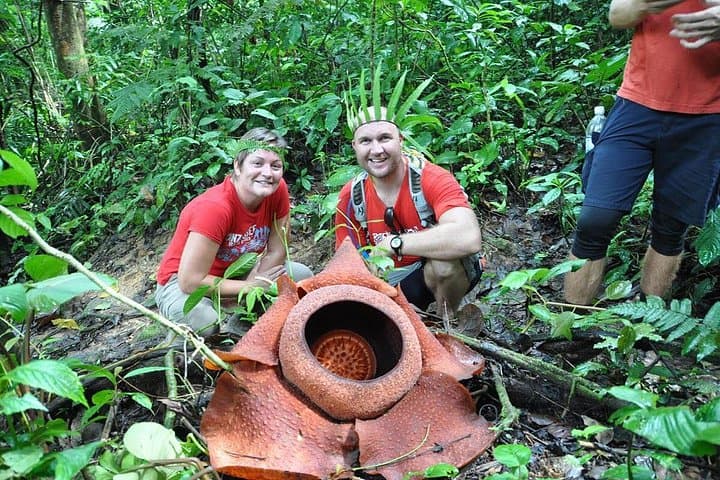
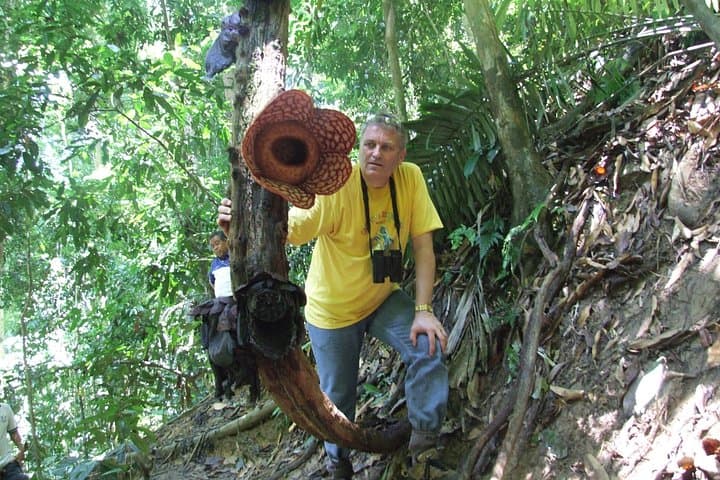
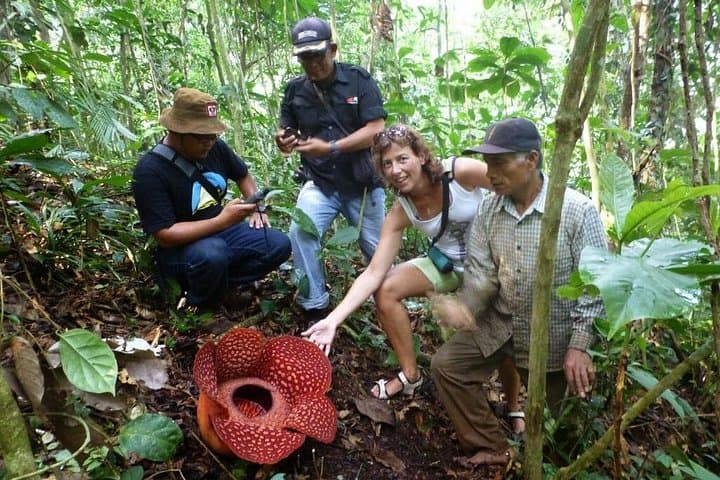
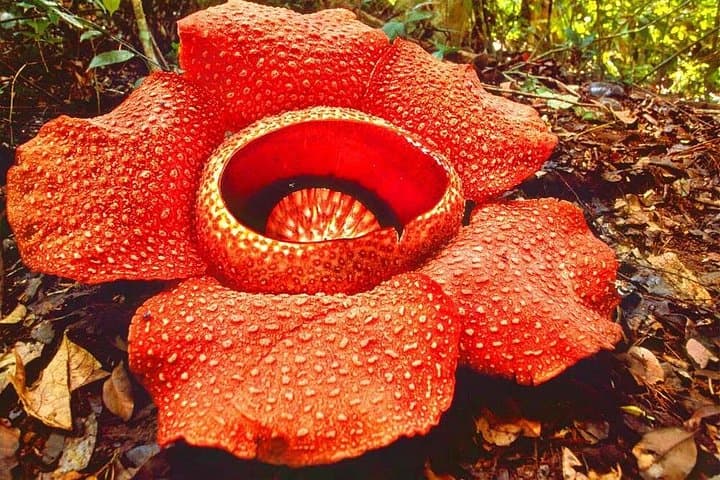
A low, humid canopy parts and the forest floor seems to hold its breath: that’s the moment guides watch for, when a gigantically patterned Rafflesia bloom announces itself like a rare, brief visitor. On this full‑day outing from Kota Kinabalu, the jungle moves with purpose—vines coil, leaf litter muffles footsteps, and the parasitic Rafflesia demands the patience of anyone who came to see the world’s largest flower.
Verified experiences and guided adventures in the surrounding area.
Operated by Asni Global · Kota Kinabalu, Sabah
A low, humid canopy parts and the forest floor seems to hold its breath: that’s the moment guides watch for, when a gigantically patterned Rafflesia bloom announces itself like a rare, brief visitor. On this full‑day outing from Kota Kinabalu, the jungle moves with purpose—vines coil, leaf litter muffles footsteps, and the parasitic Rafflesia demands the patience of anyone who came to see the world’s largest flower.
Sabah’s Rafflesia species are found only on Borneo and Sumatra. Named after Sir Stamford Raffles, these blooms are not rooted in soil but feed off jungle vines; their life cycle is slow and fragile, which is why local communities and reserves protect specific sites. Geologically the area sits on ancient tropical lowland and hill forest soils that support the host vines and the insect communities that pollinate the flowers. Culturally, visits link to local eco‑guides and village efforts to monitor blooms and trail health.
Practicalities are straightforward: expect a 6–7 hour excursion including hotel pickup from Kota Kinabalu, roughly an hour‑plus drive depending on the route, and 1–3 hours on easy to uneven forest paths. Wear sturdy shoes, insect protection and a light rain shell; bring water and a camera with a zoom lens. Guides time visits to maximize sighting chances and minimize disturbance—stay on marked paths and follow instructions. The reward is brief but striking: a floral giant, its pungent scent filling the understory, briefly ruling the rainforest before retreating back into the vines.
easy.
6–7 hours.
Basic walking fitness; able to handle 1–3 hours of on/off trail walking with short inclines
Drive time varies by traffic and route but typically ranges from 1.5 to 2 hours each way depending on the reserve visited.
Guides visit monitoring sites at peak times, but blooms are seasonal and unpredictable; sightings are common but never guaranteed.
Yes—paths are generally easy but can be uneven; inform the operator of mobility concerns for tailored pickup and pacing.
No—blooms are fragile and protected; guides will advise a safe viewing distance to prevent damage and cross‑contamination.
Rafflesia was named after Sir Stamford Raffles and its species in Sabah are unique to Borneo and Sumatra; local communities have long played roles in monitoring and protecting blooms.
Rafflesia depends on specific host vines and intact forest; staying on trails, avoiding touching blooms, and supporting local guides helps protect the plants and their habitat.
Asni Global operates guided outdoor trips and adventures with an emphasis on safety, stewardship, and memorable experiences.
A low, humid canopy parts and the forest floor seems to hold its breath: that’s the moment guides watch for, when a gigantically patterned Rafflesia bloom announces itself like a rare, brief visitor. On this full‑day outing from Kota Kinabalu, the jungle moves with purpose—vines coil, leaf litter muffles footsteps, and the parasitic Rafflesia demands the patience of anyone who came to see the world’s largest flower.
A low, humid canopy parts and the forest floor seems to hold its breath: that’s the moment guides watch for, when a gigantically patterned Rafflesia bloom announces itself like a rare, brief visitor. On this full‑day outing from Kota Kinabalu, the jungle moves with purpose—vines coil, leaf litter muffles footsteps, and the parasitic Rafflesia demands the patience of anyone who came to see the world’s largest flower.
Sabah’s Rafflesia species are found only on Borneo and Sumatra. Named after Sir Stamford Raffles, these blooms are not rooted in soil but feed off jungle vines; their life cycle is slow and fragile, which is why local communities and reserves protect specific sites. Geologically the area sits on ancient tropical lowland and hill forest soils that support the host vines and the insect communities that pollinate the flowers. Culturally, visits link to local eco‑guides and village efforts to monitor blooms and trail health.
Practicalities are straightforward: expect a 6–7 hour excursion including hotel pickup from Kota Kinabalu, roughly an hour‑plus drive depending on the route, and 1–3 hours on easy to uneven forest paths. Wear sturdy shoes, insect protection and a light rain shell; bring water and a camera with a zoom lens. Guides time visits to maximize sighting chances and minimize disturbance—stay on marked paths and follow instructions. The reward is brief but striking: a floral giant, its pungent scent filling the understory, briefly ruling the rainforest before retreating back into the vines.