THE ADVENTURE COLLECTIVE® · Independent discovery and booking for outdoor travel

A compact, three-hour tour that threads WWII history, volcanic drama and local markets around Rabaul. Walk bunkers, peer into Mt Tavurvur’s crater from the observatory and sample hot springs with a local guide.
A compact, three-hour tour that threads WWII history, volcanic drama and local markets around Rabaul. Walk bunkers, peer into Mt Tavurvur’s crater from the observatory and sample hot springs with a local guide.
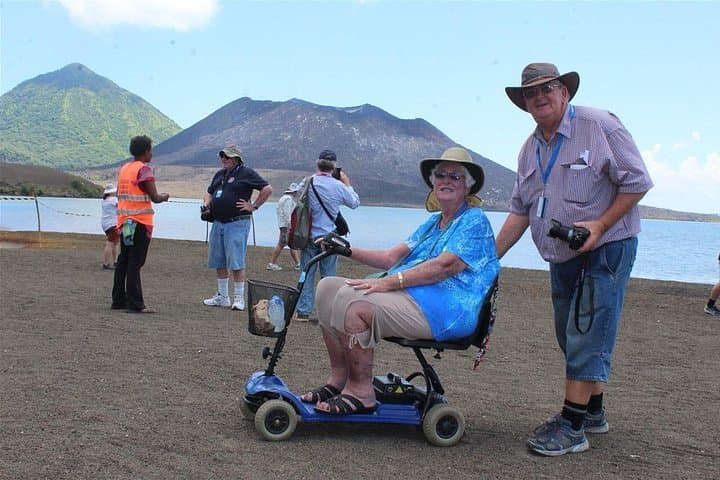
You step out of the minibus to salt on the air and the low rumble of the volcano, the harbour opening like a folded palm. Rabaul’s shoreline throws a raw welcome: black sand, scattering market stalls, and concrete shells of buildings scarred by war and ash. The tour moves at a deliberate pace—short walks between sites that let the land tell its history.
Verified experiences and guided adventures in the surrounding area.
Operated by PNG TOUR GUIDE · Rabaul, East New Britain Province
You step out of the minibus to salt on the air and the low rumble of the volcano, the harbour opening like a folded palm. Rabaul’s shoreline throws a raw welcome: black sand, scattering market stalls, and concrete shells of buildings scarred by war and ash. The tour moves at a deliberate pace—short walks between sites that let the land tell its history.
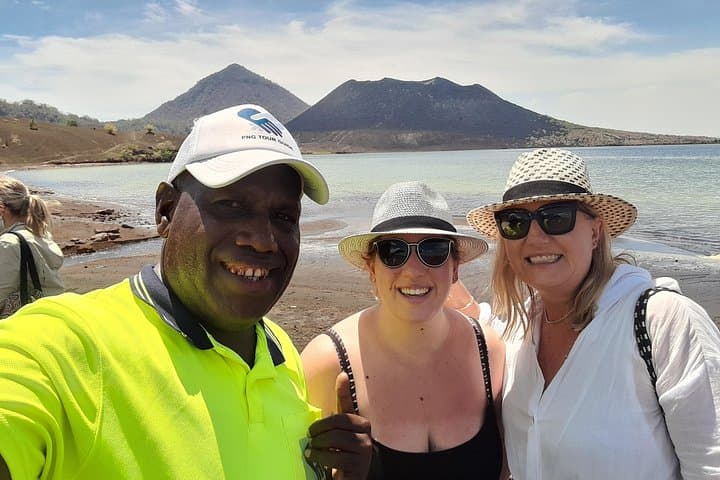
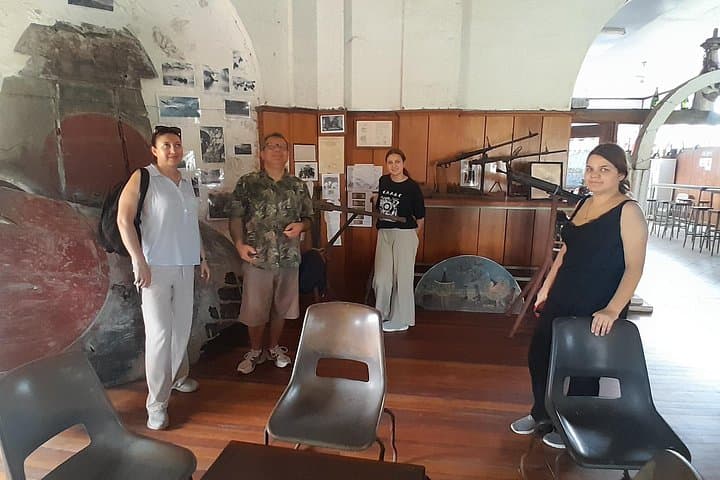
This coast was once a strategic WWII base and those scars remain—Yamamoto’s bunker and remnants of the old airport give a direct link to the Pacific campaign. Geologically, the Gazelle Peninsula is young and restless; Mt Tavurvur and nearby Vulcan last reshaped the town in 1994, showering ash and rearranging streets. Local culture is active and practical: market vendors selling sago and betel, guides tracing stories of wartime life and the eruptions that forced modern Rabaul’s relocation.
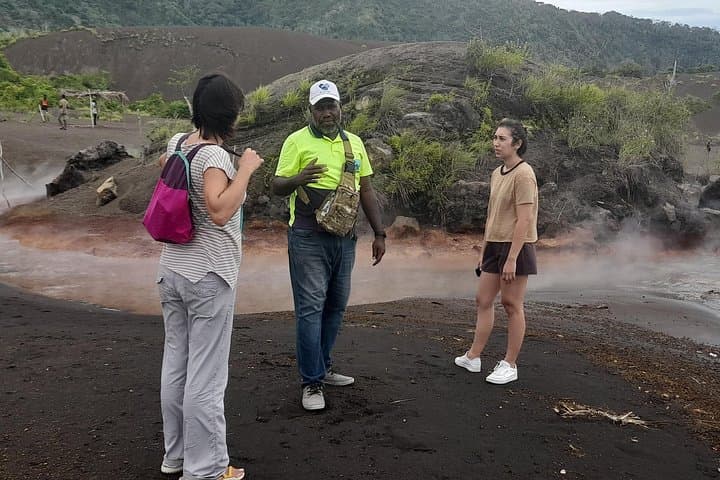
Expect easy walking on uneven surfaces, photo stops at the Rabaul Volcano Observatory lookout, and a soak-in-history feel at bunkers and memorials. Hot springs near the coastline steam like a reminder that the island is still breathing.
Practical notes: tours run about three hours, typically include transport, bottled water and English-speaking guides; carry small cash for market purchases. Wear sturdy shoes, sun protection and a light rain layer—weather shifts fast where sea and mountain meet. Respect memorials and restricted areas; these are active cultural sites and fragile volcanic terrain. Time visits for the dry months for clearer lookout views and calmer walking conditions.
easy.
3 hours.
Suitable for most fitness levels; involves short walks and standing at viewpoints and exhibits.
The tour is approximately three hours and includes short walks between sites, viewpoint stops and a market visit (when open).
Yes — infants can travel but must sit on laps; the tour is described as physically easy but some sites have uneven ground. Supervision is required around steep or unstable areas.
Transport, site fees and bottled water are typically included, and the tour is led by an English-speaking guide—confirm specifics when booking.
You can visit accessible hot spring areas and the Rabaul Volcano Observatory lookout for crater views; close access to active vents is restricted for safety.
Rabaul was a major Japanese naval and air base in WWII and was heavily damaged by Allied bombing; volcanic eruptions in 1994 further altered settlement patterns and infrastructure.
Stay on designated paths, avoid removing artifacts from WWII sites and limit plastic waste—local reefs and shoreline habitats are sensitive to pollution.
PNG TOUR GUIDE operates guided outdoor trips and adventures with an emphasis on safety, stewardship, and memorable experiences.
You step out of the minibus to salt on the air and the low rumble of the volcano, the harbour opening like a folded palm. Rabaul’s shoreline throws a raw welcome: black sand, scattering market stalls, and concrete shells of buildings scarred by war and ash. The tour moves at a deliberate pace—short walks between sites that let the land tell its history.
You step out of the minibus to salt on the air and the low rumble of the volcano, the harbour opening like a folded palm. Rabaul’s shoreline throws a raw welcome: black sand, scattering market stalls, and concrete shells of buildings scarred by war and ash. The tour moves at a deliberate pace—short walks between sites that let the land tell its history.
This coast was once a strategic WWII base and those scars remain—Yamamoto’s bunker and remnants of the old airport give a direct link to the Pacific campaign. Geologically, the Gazelle Peninsula is young and restless; Mt Tavurvur and nearby Vulcan last reshaped the town in 1994, showering ash and rearranging streets. Local culture is active and practical: market vendors selling sago and betel, guides tracing stories of wartime life and the eruptions that forced modern Rabaul’s relocation.
Expect easy walking on uneven surfaces, photo stops at the Rabaul Volcano Observatory lookout, and a soak-in-history feel at bunkers and memorials. Hot springs near the coastline steam like a reminder that the island is still breathing.
Practical notes: tours run about three hours, typically include transport, bottled water and English-speaking guides; carry small cash for market purchases. Wear sturdy shoes, sun protection and a light rain layer—weather shifts fast where sea and mountain meet. Respect memorials and restricted areas; these are active cultural sites and fragile volcanic terrain. Time visits for the dry months for clearer lookout views and calmer walking conditions.