THE ADVENTURE COLLECTIVE® · Independent discovery and booking for outdoor travel

Explore Rabat’s medina and the Kasbah of the Udayas on a 2–3 hour guided walk that blends history, craft workshops, and river-to-sea views. Perfect for travelers who want an urban adventure with local insight and practical guidance.
Explore Rabat’s medina and the Kasbah of the Udayas on a 2–3 hour guided walk that blends history, craft workshops, and river-to-sea views. Perfect for travelers who want an urban adventure with local insight and practical guidance.
You step through a narrow, tiled doorway and the city rearranges itself: the medina’s alleys fold around you like pages in a well-thumbed book, vendors call out, and the Atlantic breeze threads salt through orange-blossom air.
Verified experiences and guided adventures in the surrounding area.
Operated by Ilyas · Rabat, Rabat-Salé-Kénitra
You step through a narrow, tiled doorway and the city rearranges itself: the medina’s alleys fold around you like pages in a well-thumbed book, vendors call out, and the Atlantic breeze threads salt through orange-blossom air.
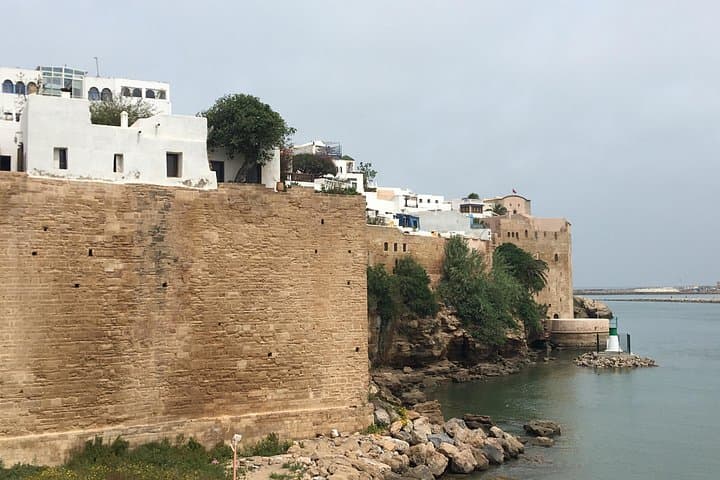
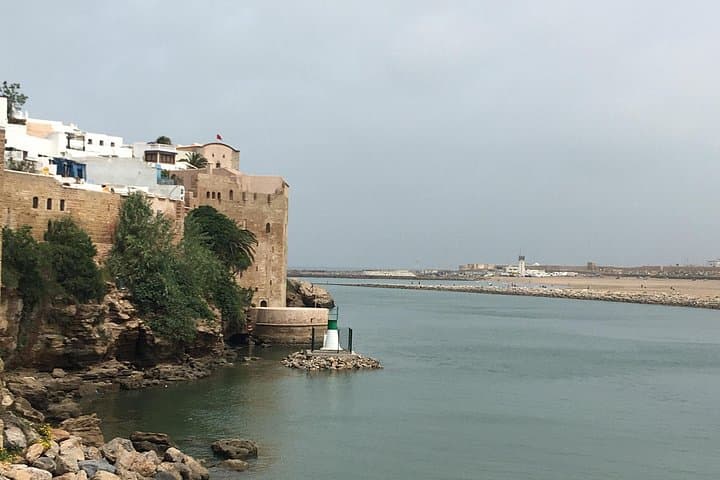
This guided walk centers on Rabat’s historic heart — the winding souks, the Kasbah of the Udayas perched above the Bou Regreg, and the quieter Jewish quarter where carved doors and small workshops reveal daily life. The Kasbah dates to Almohad and later Saadian occupations; its white-and-blue façades and defensive walls track centuries of coastal trade and strategic contest between river and sea.
Geologically the coast is flat and sandy, with the Bou Regreg river carving a tidal estuary that draws seabirds and shapes the city’s harbor. Culturally, Rabat blends post-colonial modernity with traditional crafts: leatherworkers, brass artisans, and mint-tea cafes populate routes that are as much social arteries as tourist paths.
Expect 2–3 hours of mostly flat walking on packed stone, occasional steps, and narrow lanes crowded with shoppers. A moderate fitness level is enough, but wear closed-toe shoes for cobbles and bring water — summer sun can be intense. Best times are morning or late afternoon when light sharpens colors and shops are open.
Practical tips: carry small bills for purchases, ask before photographing people, and allow time to linger on the kasbah walls for views toward Salé and the Atlantic. The tour balances history, culture, and sensory detail — a readable, walkable slice of Morocco that rewards curiosity and practical preparation.
moderate.
2–3 hours.
Moderate fitness: able to walk 2–4 miles over uneven surfaces and climb short flights of stairs.
The tour runs approximately 2–3 hours, covering the medina, Kasbah of the Udayas, and nearby market streets.
Infants may join but must sit on a guardian’s lap; the route has many stairs and crowds, so assess your child’s tolerance for walking and noise.
This walking tour focuses on exterior visits and neighborhood exploration; any paid museum entries are typically not included unless specified by the operator.
Guides commonly speak English and French; confirm language needs when booking to ensure availability.
Rabat expanded under Almohad and later Saadian rule; the Kasbah of the Udayas is a fortified district dating to medieval coastal defenses.
The medina’s narrow streets are vulnerable to congestion and litter; use reusable bottles, avoid single-use plastics, and follow local waste rules to limit impact.
Ilyas operates guided outdoor trips and adventures with an emphasis on safety, stewardship, and memorable experiences.
You step through a narrow, tiled doorway and the city rearranges itself: the medina’s alleys fold around you like pages in a well-thumbed book, vendors call out, and the Atlantic breeze threads salt through orange-blossom air.
You step through a narrow, tiled doorway and the city rearranges itself: the medina’s alleys fold around you like pages in a well-thumbed book, vendors call out, and the Atlantic breeze threads salt through orange-blossom air.
This guided walk centers on Rabat’s historic heart — the winding souks, the Kasbah of the Udayas perched above the Bou Regreg, and the quieter Jewish quarter where carved doors and small workshops reveal daily life. The Kasbah dates to Almohad and later Saadian occupations; its white-and-blue façades and defensive walls track centuries of coastal trade and strategic contest between river and sea.
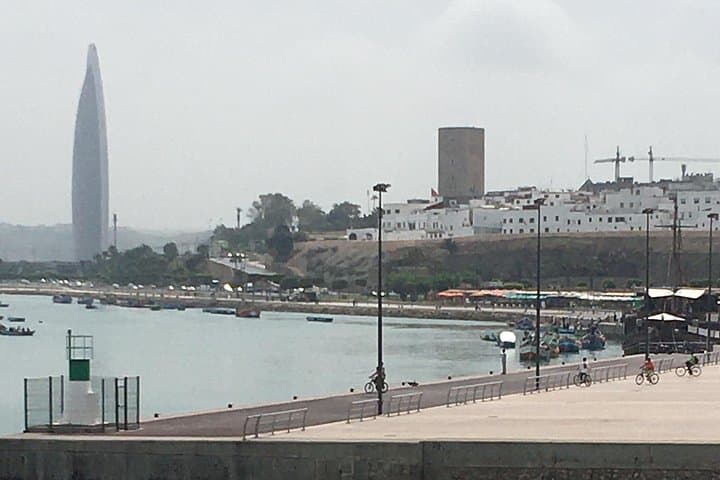
Geologically the coast is flat and sandy, with the Bou Regreg river carving a tidal estuary that draws seabirds and shapes the city’s harbor. Culturally, Rabat blends post-colonial modernity with traditional crafts: leatherworkers, brass artisans, and mint-tea cafes populate routes that are as much social arteries as tourist paths.
Expect 2–3 hours of mostly flat walking on packed stone, occasional steps, and narrow lanes crowded with shoppers. A moderate fitness level is enough, but wear closed-toe shoes for cobbles and bring water — summer sun can be intense. Best times are morning or late afternoon when light sharpens colors and shops are open.
Practical tips: carry small bills for purchases, ask before photographing people, and allow time to linger on the kasbah walls for views toward Salé and the Atlantic. The tour balances history, culture, and sensory detail — a readable, walkable slice of Morocco that rewards curiosity and practical preparation.