THE ADVENTURE COLLECTIVE® · Independent discovery and booking for outdoor travel

Follow centuries-old levadas from the Paul da Serra plateau down to Risco waterfall and the 25 Fontes pool. This full-day walk combines dramatic waterfalls, a UNESCO-protected laurel forest and engineered irrigation channels for an accessible, unforgettable mountain-to-valley hike.
Follow centuries-old levadas from the Paul da Serra plateau down to Risco waterfall and the 25 Fontes pool. This full-day walk combines dramatic waterfalls, a UNESCO-protected laurel forest and engineered irrigation channels for an accessible, unforgettable mountain-to-valley hike.
The path begins at a cool stone car park on the high plateau and immediately drops into a green world: moss-coated walls, a steady hiss of water and the smell of wet peat. You walk under an arch of laurel and heather as the trail follows a narrow levada, the engineered water channels that lace Madeira. At the Risco viewpoint the waterfall throws itself down the cliff, daring you to step closer; further on, 25 springs pour from the rockface into a small, glassy pool.
Verified experiences and guided adventures in the surrounding area.
Operated by Madeira Explorers · Rabaçal, Madeira
The path begins at a cool stone car park on the high plateau and immediately drops into a green world: moss-coated walls, a steady hiss of water and the smell of wet peat. You walk under an arch of laurel and heather as the trail follows a narrow levada, the engineered water channels that lace Madeira. At the Risco viewpoint the waterfall throws itself down the cliff, daring you to step closer; further on, 25 springs pour from the rockface into a small, glassy pool.
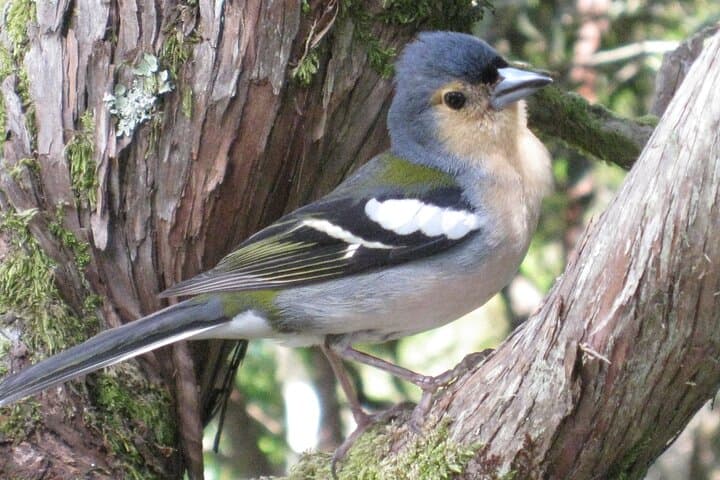
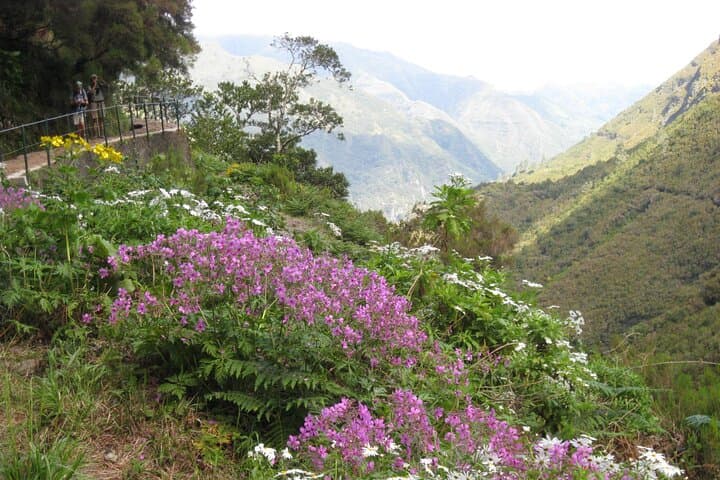
This route traces the island’s practical history — levadas carved between the 16th and 19th centuries to move mountain water to coastal fields — through terrain shaped by volcanic uplift and later erosion. The laurisilva forest here is a remnant of the Tertiary period, a humid, bright-green ecosystem that supports endemic birds and moss-draped trees. Local guides will point out endemic plants and explain how communities long adapted to steep slopes and scarce arable land.
Expect a steady, descending route on compact maintenance paths with occasional stone steps and a short service tunnel that requires care and a light. Practical planning: start early to avoid crowds and afternoon spray; pack a breathable rain shell, sturdy shoes with good grip and 1–2 liters of water. Pace yourself on the return climb—legs will feel the gradient. Respect the levada edges, stay on the path, and carry out anything you bring in. The walk is an accessible, four-hour immersion into Madeira’s wild water and forest, where engineered channels and native forest meet to create one of the island’s most immediate outdoor experiences.
moderate.
4 hours.
Moderate fitness — steady downhill and a climb back up; regular walkers will be comfortable.
The tour is rated moderate and runs about four hours total, with a steady descent, time at viewpoints, and a return climb.
The meeting point is Rabaçal car park; the operator provides air-conditioned vehicle transport and may offer hotel pickup if arranged in advance.
Not recommended for those with serious back or heart problems; children with good stamina can do it but assess the tunnel and narrow sections first.
Generally spring through fall for milder weather; mornings are best for clearer views and fewer people.
The levadas were engineered over centuries to move water from the humid north and high plateaus to drier agricultural terraces and settlements along the coast.
The levada corridors cut through Laurisilva — a UNESCO World Heritage site — so stick to paths, avoid trampling understory and pack out waste to protect fragile endemic habitats.
Madeira Explorers operates guided outdoor trips and adventures with an emphasis on safety, stewardship, and memorable experiences.
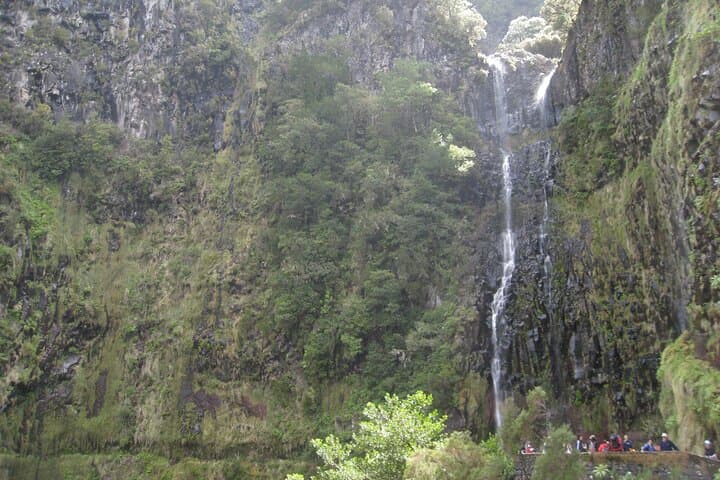
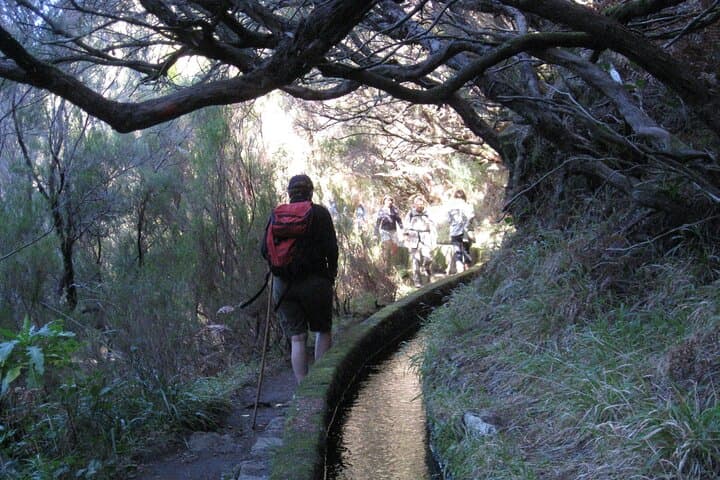
The path begins at a cool stone car park on the high plateau and immediately drops into a green world: moss-coated walls, a steady hiss of water and the smell of wet peat. You walk under an arch of laurel and heather as the trail follows a narrow levada, the engineered water channels that lace Madeira. At the Risco viewpoint the waterfall throws itself down the cliff, daring you to step closer; further on, 25 springs pour from the rockface into a small, glassy pool.
The path begins at a cool stone car park on the high plateau and immediately drops into a green world: moss-coated walls, a steady hiss of water and the smell of wet peat. You walk under an arch of laurel and heather as the trail follows a narrow levada, the engineered water channels that lace Madeira. At the Risco viewpoint the waterfall throws itself down the cliff, daring you to step closer; further on, 25 springs pour from the rockface into a small, glassy pool.
This route traces the island’s practical history — levadas carved between the 16th and 19th centuries to move mountain water to coastal fields — through terrain shaped by volcanic uplift and later erosion. The laurisilva forest here is a remnant of the Tertiary period, a humid, bright-green ecosystem that supports endemic birds and moss-draped trees. Local guides will point out endemic plants and explain how communities long adapted to steep slopes and scarce arable land.
Expect a steady, descending route on compact maintenance paths with occasional stone steps and a short service tunnel that requires care and a light. Practical planning: start early to avoid crowds and afternoon spray; pack a breathable rain shell, sturdy shoes with good grip and 1–2 liters of water. Pace yourself on the return climb—legs will feel the gradient. Respect the levada edges, stay on the path, and carry out anything you bring in. The walk is an accessible, four-hour immersion into Madeira’s wild water and forest, where engineered channels and native forest meet to create one of the island’s most immediate outdoor experiences.