THE ADVENTURE COLLECTIVE® · Independent discovery and booking for outdoor travel

Cover Ecuador’s highland highlights in four or five days: Cotopaxi’s volcano, Quilotoa’s crater lake, Baños’ waterfalls, Chimborazo’s puna, and colonial Cuenca. This guided loop balances short hikes with scenic drives and cultural stops.
Cover Ecuador’s highland highlights in four or five days: Cotopaxi’s volcano, Quilotoa’s crater lake, Baños’ waterfalls, Chimborazo’s puna, and colonial Cuenca. This guided loop balances short hikes with scenic drives and cultural stops.
A predawn Quito pickup, diesel hum and headlights cutting through cloud, sets the tone: the Andean cordillera rising like a row of sleeping giants as you drive toward Cotopaxi.
Verified experiences and guided adventures in the surrounding area.
Operated by Polylepis Tours · Quito, Pichincha
A predawn Quito pickup, diesel hum and headlights cutting through cloud, sets the tone: the Andean cordillera rising like a row of sleeping giants as you drive toward Cotopaxi.
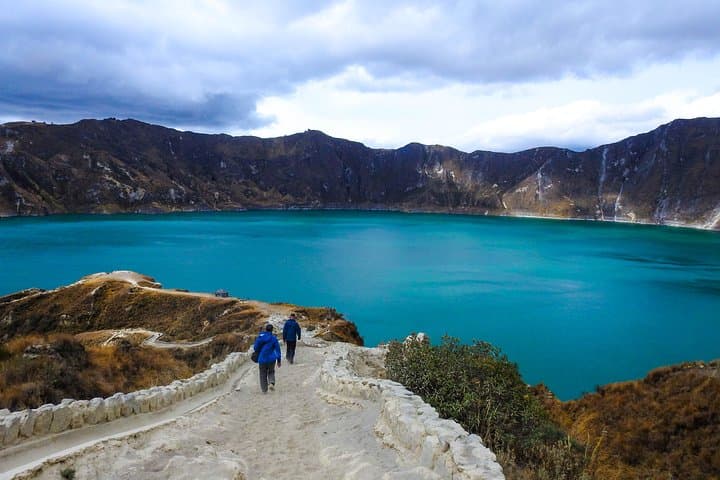
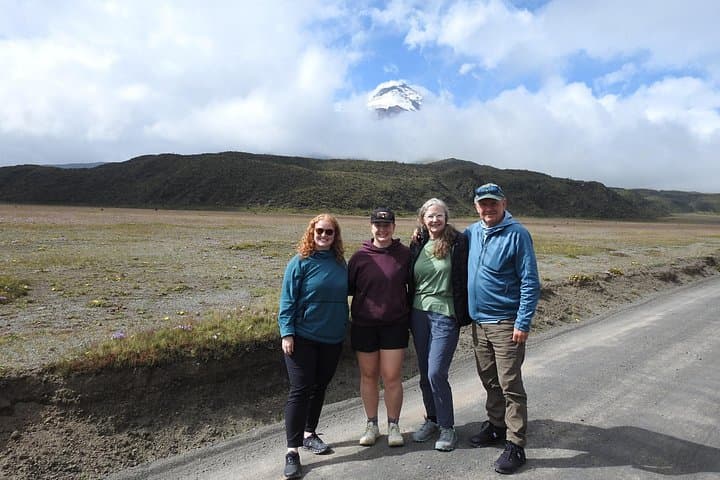
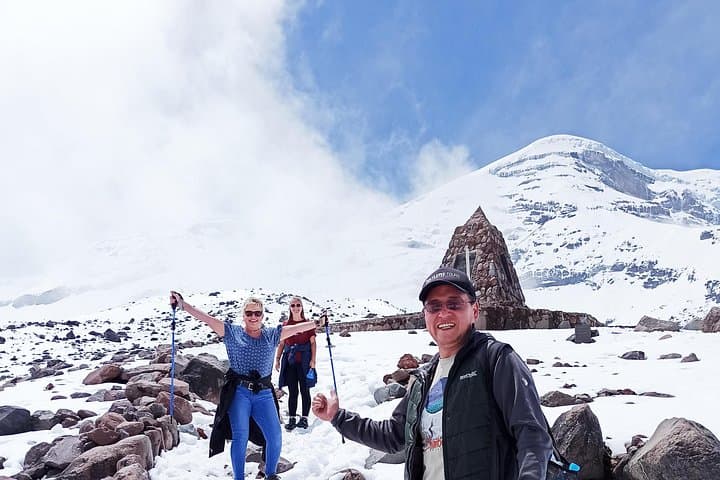
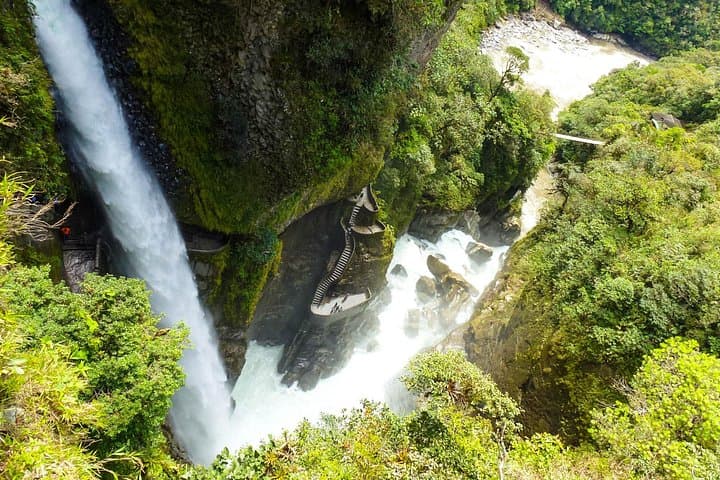
On clear mornings the volcano’s conical summit pins the sky; at Quilotoa the crater lake drops into an intense, green bowl shaped by a collapsed caldera. Baños throws a different energy — waterfalls that dare you closer and a cable car threading the Pastaza gorge. At Chimborazo the road climbs into puna and buffeting wind; vicuñas graze between ruins of volcanic scree. Cuenca’s colonial streets and the Tomebamba river slow the tempo, while Cajas National Park offers glacial lakes and high‑altitude trails.
Geology here is active: the Northern Volcanic Zone sculpts sharp ridgelines and crater lakes. Culture threads from Cañari and Inca stonework at Ingapirca to Cuenca’s UNESCO–listed historic center and local Panama‑hat workshops. Expect a guided, vehicle‑based itinerary with short walks, viewpoints and entry fees included; accommodation is 4 nights on the standard plan.
Practical guidance: pack for altitude — 2,800–5,000 m can affect breathing and sleep; drink water, move slowly and carry layers. Trails are short to moderate but uneven; good, broken‑in boots matter. Days combine driving and excursions — have passports handy for bookings and bring small cash for markets. If you opt for the 5‑day variant, Mindo’s cloudforest or Gualaceo’s craft villages add different ecosystems and slower walking. Aim to arrive in Quito a day early to acclimatize and to make the most of this compact Andean loop.
moderate.
4–5 days.
Moderate fitness advised; able to manage short hikes (30–120 minutes) at altitude and several hours of vehicle travel each day.
Yes — the operator offers tour variants that can start in Quito or finish in Cuenca; confirm your preferred start point at booking.
Accommodation for 4 nights and breakfasts are included; one courtesy meal and some entrance fees are covered—verify specifics when booking.
The tour involves vehicle travel and short, sometimes steep walks; it’s not ideal for those with significant mobility limitations—contact the operator for assistance options.
Acclimatize in Quito, avoid alcohol upon arrival, hydrate, eat lightly, and notify guides if you experience severe symptoms; the itinerary allows gradual ascent.
Ingapirca preserves Cañari and Inca stonework where Andean cultures intersected; Cuenca’s historic center was declared a UNESCO World Heritage Site in 1999.
The páramo and crater lakes are fragile—stay on trails, pack out waste, and minimize water use; local guides follow low‑impact practices to protect highland ecosystems.
Polylepis Tours operates guided outdoor trips and adventures with an emphasis on safety, stewardship, and memorable experiences.
A predawn Quito pickup, diesel hum and headlights cutting through cloud, sets the tone: the Andean cordillera rising like a row of sleeping giants as you drive toward Cotopaxi.
A predawn Quito pickup, diesel hum and headlights cutting through cloud, sets the tone: the Andean cordillera rising like a row of sleeping giants as you drive toward Cotopaxi.
On clear mornings the volcano’s conical summit pins the sky; at Quilotoa the crater lake drops into an intense, green bowl shaped by a collapsed caldera. Baños throws a different energy — waterfalls that dare you closer and a cable car threading the Pastaza gorge. At Chimborazo the road climbs into puna and buffeting wind; vicuñas graze between ruins of volcanic scree. Cuenca’s colonial streets and the Tomebamba river slow the tempo, while Cajas National Park offers glacial lakes and high‑altitude trails.
Geology here is active: the Northern Volcanic Zone sculpts sharp ridgelines and crater lakes. Culture threads from Cañari and Inca stonework at Ingapirca to Cuenca’s UNESCO–listed historic center and local Panama‑hat workshops. Expect a guided, vehicle‑based itinerary with short walks, viewpoints and entry fees included; accommodation is 4 nights on the standard plan.
Practical guidance: pack for altitude — 2,800–5,000 m can affect breathing and sleep; drink water, move slowly and carry layers. Trails are short to moderate but uneven; good, broken‑in boots matter. Days combine driving and excursions — have passports handy for bookings and bring small cash for markets. If you opt for the 5‑day variant, Mindo’s cloudforest or Gualaceo’s craft villages add different ecosystems and slower walking. Aim to arrive in Quito a day early to acclimatize and to make the most of this compact Andean loop.