THE ADVENTURE COLLECTIVE® · Independent discovery and booking for outdoor travel

Ride Quito’s Teleferico to 4,100 m and tackle a 2–3 hour Rucu Pichincha hike on a private full-day tour that combines colonial city sights with high-Andean panoramas. Expect steep terrain, thin air, and dramatic views over the valley.
Ride Quito’s Teleferico to 4,100 m and tackle a 2–3 hour Rucu Pichincha hike on a private full-day tour that combines colonial city sights with high-Andean panoramas. Expect steep terrain, thin air, and dramatic views over the valley.
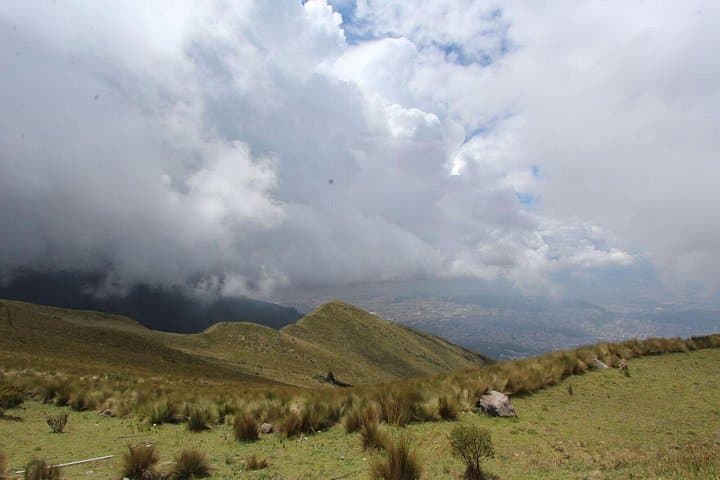
You step out of the colonial plaza into a thin, cool air that smells faintly of eucalyptus and diesel. The city drops away beneath you, red-tile roofs and narrow streets folding into the valley, until the Teleferico lifts you on a 2.5 km cable-car arc to Cruz Loma at roughly 4,100 meters. From that upper station the mountain greets you: Rucu Pichincha stretches a stony ridge toward the sky, daring you to walk its flanks and earn the view.
Verified experiences and guided adventures in the surrounding area.
Operated by Latin Adventures Cía Ltda · Quito, Pichincha
You step out of the colonial plaza into a thin, cool air that smells faintly of eucalyptus and diesel. The city drops away beneath you, red-tile roofs and narrow streets folding into the valley, until the Teleferico lifts you on a 2.5 km cable-car arc to Cruz Loma at roughly 4,100 meters. From that upper station the mountain greets you: Rucu Pichincha stretches a stony ridge toward the sky, daring you to walk its flanks and earn the view.
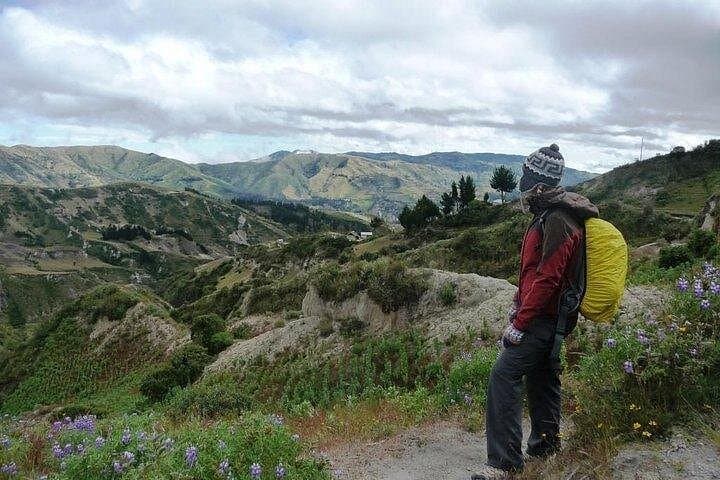
Quito is a layered city—pre-Columbian pathways, a Spanish colonial grid laid down in the 16th century, and modern avenues climbing the hillsides. Geologically, Pichincha is a volcanic complex in the western cordillera of the northern Andes; the hike follows volcanic scree, compacted dirt, and short grass ridgelines that reveal how recent uplift and erosion carved the skyline.
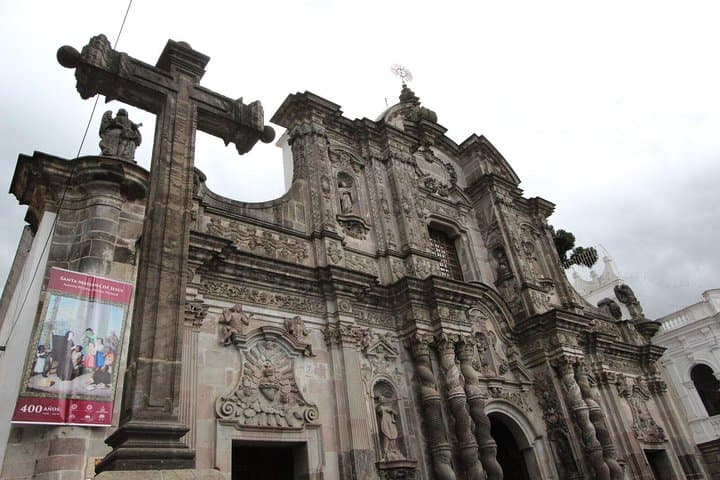
Culture threads through the day: stops at Plaza Grande and La Compañía showcase Quito’s baroque stonework, while local guides explain how mountain worship and urban life coexist in Ecuador’s capital.
Practical guidance: allow a full day for city sights plus the Teleferico ride and a 2–3 hour ascent to and from the upper ridgeline. Altitude is the main challenge—pace yourself, hydrate, and plan at least a day in Quito before hiking. Wear sturdy footwear with grip for loose volcanic rock, layer for wind and sudden sun, and bring cash for small entrance fees or snacks. The reward is a panoramic sweep of the valley and volcanoes that makes the effort unmistakably worth it.
challenging.
8–9 hours.
Moderately high fitness recommended; expect sustained uphill walking at high altitude and uneven footing.
The guided hike from the Teleferico upper station typically takes 2–3 hours round trip, depending on pace and stops for photos.
Yes—because the Teleferico reaches about 4,100 m, spending at least a day in Quito and hydrating beforehand reduces altitude-related discomfort.
Admission to the Teleferico is included; it may close in severe weather for safety, but it generally operates in light rain or wind.
Children and older adults can join, but those with cardiovascular issues or limited mobility should avoid the hike; inform the operator of any concerns when booking.
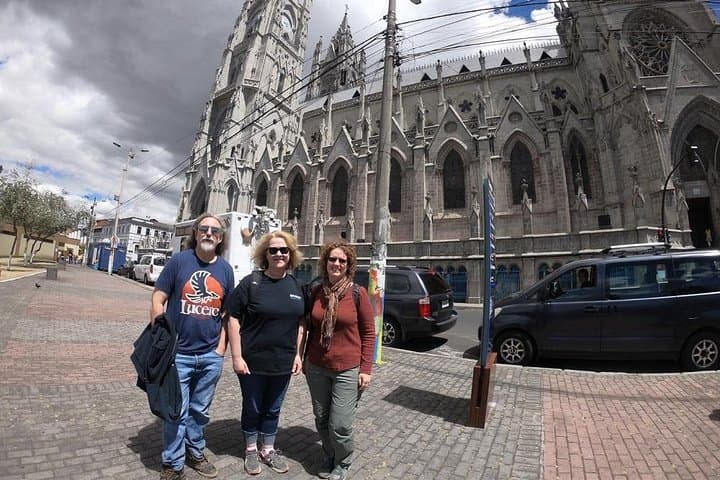
Quito’s historic center dates to the 16th century and grew around pre-existing indigenous settlements; its stone churches and plazas reflect Spanish colonial urban planning over older Andean routes.
High-altitude páramo and volcanic slopes are sensitive to erosion and trampling—stay on marked trails, pack out waste, and avoid disturbing vegetation to protect water sources below.
Latin Adventures Cía Ltda operates guided outdoor trips and adventures with an emphasis on safety, stewardship, and memorable experiences.
You step out of the colonial plaza into a thin, cool air that smells faintly of eucalyptus and diesel. The city drops away beneath you, red-tile roofs and narrow streets folding into the valley, until the Teleferico lifts you on a 2.5 km cable-car arc to Cruz Loma at roughly 4,100 meters. From that upper station the mountain greets you: Rucu Pichincha stretches a stony ridge toward the sky, daring you to walk its flanks and earn the view.
You step out of the colonial plaza into a thin, cool air that smells faintly of eucalyptus and diesel. The city drops away beneath you, red-tile roofs and narrow streets folding into the valley, until the Teleferico lifts you on a 2.5 km cable-car arc to Cruz Loma at roughly 4,100 meters. From that upper station the mountain greets you: Rucu Pichincha stretches a stony ridge toward the sky, daring you to walk its flanks and earn the view.
Quito is a layered city—pre-Columbian pathways, a Spanish colonial grid laid down in the 16th century, and modern avenues climbing the hillsides. Geologically, Pichincha is a volcanic complex in the western cordillera of the northern Andes; the hike follows volcanic scree, compacted dirt, and short grass ridgelines that reveal how recent uplift and erosion carved the skyline.
Culture threads through the day: stops at Plaza Grande and La Compañía showcase Quito’s baroque stonework, while local guides explain how mountain worship and urban life coexist in Ecuador’s capital.
Practical guidance: allow a full day for city sights plus the Teleferico ride and a 2–3 hour ascent to and from the upper ridgeline. Altitude is the main challenge—pace yourself, hydrate, and plan at least a day in Quito before hiking. Wear sturdy footwear with grip for loose volcanic rock, layer for wind and sudden sun, and bring cash for small entrance fees or snacks. The reward is a panoramic sweep of the valley and volcanoes that makes the effort unmistakably worth it.