THE ADVENTURE COLLECTIVE® · Independent discovery and booking for outdoor travel

Explore Quito’s colonial heart by bike on a private 3–4 hour tour that balances cultural history with hands-on urban riding. Navigate cobbled streets, visit ornate churches, and learn local food and craft traditions with a bilingual guide.
Explore Quito’s colonial heart by bike on a private 3–4 hour tour that balances cultural history with hands-on urban riding. Navigate cobbled streets, visit ornate churches, and learn local food and craft traditions with a bilingual guide.
You push off from a shaded hotel curb and the colonial streets of Quito unfold: narrow alleys, ringing church bells, and cobblestones that remember centuries of footsteps.
Verified experiences and guided adventures in the surrounding area.
Operated by RollerBike Sports · Quito, Pichincha
You push off from a shaded hotel curb and the colonial streets of Quito unfold: narrow alleys, ringing church bells, and cobblestones that remember centuries of footsteps.
The ride threads through Plaza Grande and past churches with baroque facades carved in volcanic stone, a cityscape shaped by the Andes and by five centuries of Spanish and indigenous histories. Quito’s historic core is one of South America’s best-preserved colonial centers and a UNESCO World Heritage site; the stone beneath your wheels is volcanic andesite, worn smooth in places and jagged in others, so every turn feels tactile and immediate.
Guides explain how colonial Quito grew around ecclesiastical power while local markets kept indigenous traditions alive. The scent of frying empanadas and the bright textiles of craft stalls punctuate the ride; expect quick stops at plazas, small churches, and viewpoints that frame the valley below.
Practically: this private tour runs about 3–4 hours with hotel pickup, bilingual guides, helmets, reflective vests, and bottled water included. Terrain is urban—cobblestones, short steep streets, and pedestrian plazas—so bike handling matters more than long-distance fitness. Quito sits near 2,850 m (≈9,350 ft): take it slow on first pedaled climbs and hydrate early. Wear closed shoes, a light wind or rain shell, and layer for sudden sun or showers.
Traffic can be brisk around market hours; your guide times the route to favor plazas and quieter streets. Bring a small lock if you want to step into a shop, and a camera: the light on the stone facades changes fast and rewards those who stop to look.
moderate.
3–4 hours.
Moderately fit—comfortable on a bike for a few hours with the ability to handle short steep climbs and urban traffic.
The private tour lasts about 3–4 hours and moves at a relaxed, guided pace with regular stops for history, photos, and short walks off the bike.
No advanced skills needed, but you should be comfortable riding in urban traffic and on uneven cobblestones; guides provide helmets and a reflective vest.
Possibly—Quito sits around 2,850 m. Take your time on climbs, hydrate, and let your guide know if you feel dizzy or unusually short of breath.
Most stops are exterior visits and plaza stops; admission fees for specific churches or museums are usually not included unless stated.
Quito’s historic center dates to early Spanish colonial city planning over pre-Columbian settlements and was declared a UNESCO World Heritage Site in 1978 for its intact colonial fabric.
Stay on paved routes and avoid riding on fragile stonework; use refillable bottles when possible and support local artisans to keep tourism benefits in the community.
RollerBike Sports operates guided outdoor trips and adventures with an emphasis on safety, stewardship, and memorable experiences.
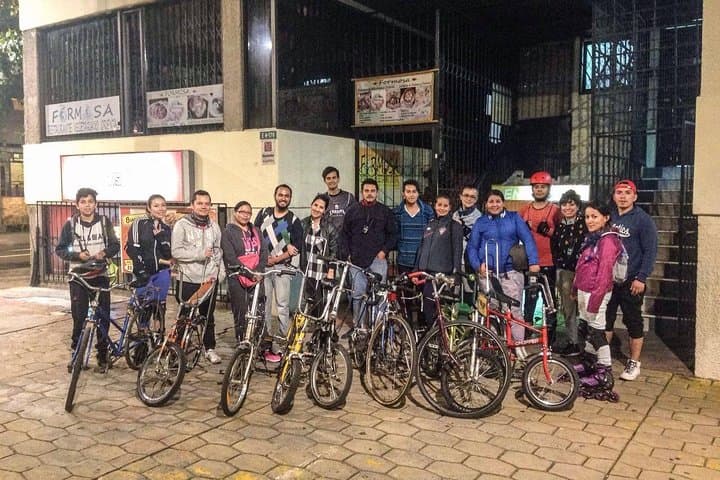
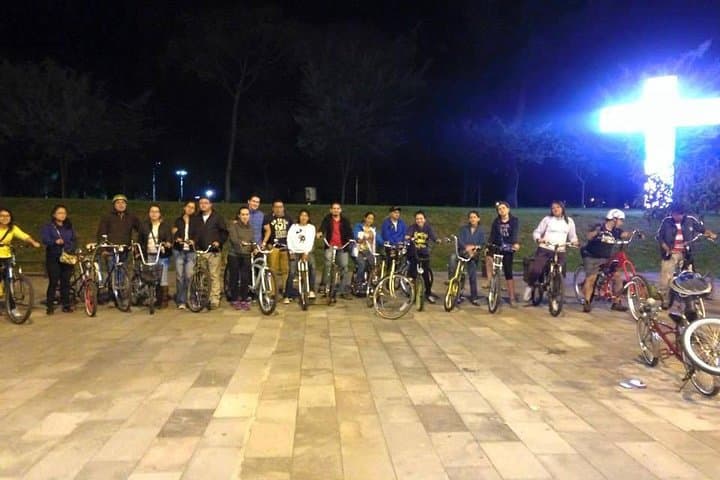
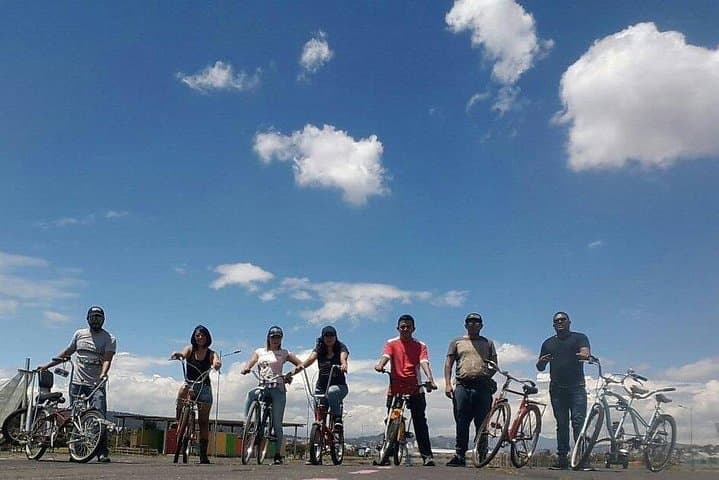
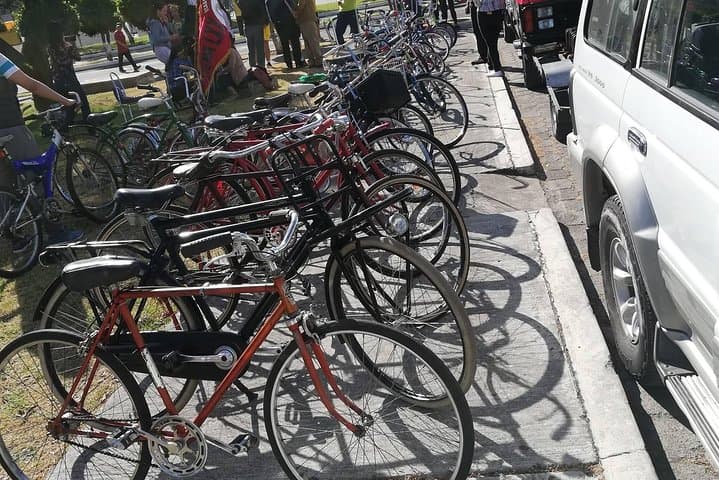
You push off from a shaded hotel curb and the colonial streets of Quito unfold: narrow alleys, ringing church bells, and cobblestones that remember centuries of footsteps.
You push off from a shaded hotel curb and the colonial streets of Quito unfold: narrow alleys, ringing church bells, and cobblestones that remember centuries of footsteps.
The ride threads through Plaza Grande and past churches with baroque facades carved in volcanic stone, a cityscape shaped by the Andes and by five centuries of Spanish and indigenous histories. Quito’s historic core is one of South America’s best-preserved colonial centers and a UNESCO World Heritage site; the stone beneath your wheels is volcanic andesite, worn smooth in places and jagged in others, so every turn feels tactile and immediate.
Guides explain how colonial Quito grew around ecclesiastical power while local markets kept indigenous traditions alive. The scent of frying empanadas and the bright textiles of craft stalls punctuate the ride; expect quick stops at plazas, small churches, and viewpoints that frame the valley below.
Practically: this private tour runs about 3–4 hours with hotel pickup, bilingual guides, helmets, reflective vests, and bottled water included. Terrain is urban—cobblestones, short steep streets, and pedestrian plazas—so bike handling matters more than long-distance fitness. Quito sits near 2,850 m (≈9,350 ft): take it slow on first pedaled climbs and hydrate early. Wear closed shoes, a light wind or rain shell, and layer for sudden sun or showers.
Traffic can be brisk around market hours; your guide times the route to favor plazas and quieter streets. Bring a small lock if you want to step into a shop, and a camera: the light on the stone facades changes fast and rewards those who stop to look.