THE ADVENTURE COLLECTIVE® · Independent discovery and booking for outdoor travel

See Quito’s colonial heart, ride the TelefériQo to high-altitude viewpoints and stand at the Equator all in a single, flexible day. This guided route balances history, geology and practical tips for the city’s thin air and cobbled streets.
See Quito’s colonial heart, ride the TelefériQo to high-altitude viewpoints and stand at the Equator all in a single, flexible day. This guided route balances history, geology and practical tips for the city’s thin air and cobbled streets.
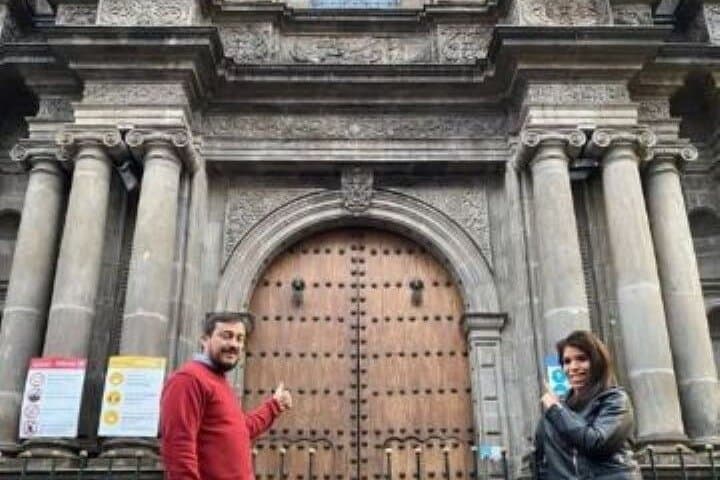
Morning light unrolls across Plaza Grande and the bells of La Compañía cut through the thin Andean air. At 2,850 meters the city feels both intimate and vast: narrow colonial streets give way to broad, volcanic ridgelines that rise and fall like the ribs of the surrounding volcanoes. A ride on the TelefériQo lifts travelers to alpine scrub above the city, where clouds push and peel and Quito’s urban pattern opens toward Cotopaxi and Cayambe.
Verified experiences and guided adventures in the surrounding area.
Operated by Luxury Andes · Quito, Pichincha
Morning light unrolls across Plaza Grande and the bells of La Compañía cut through the thin Andean air. At 2,850 meters the city feels both intimate and vast: narrow colonial streets give way to broad, volcanic ridgelines that rise and fall like the ribs of the surrounding volcanoes. A ride on the TelefériQo lifts travelers to alpine scrub above the city, where clouds push and peel and Quito’s urban pattern opens toward Cotopaxi and Cayambe.
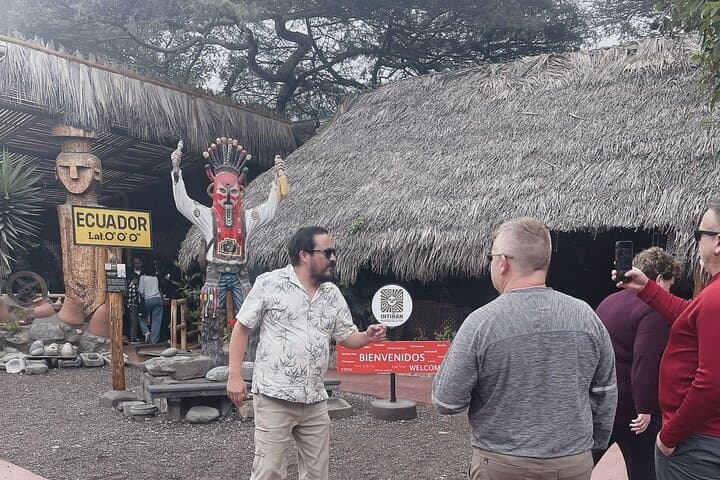
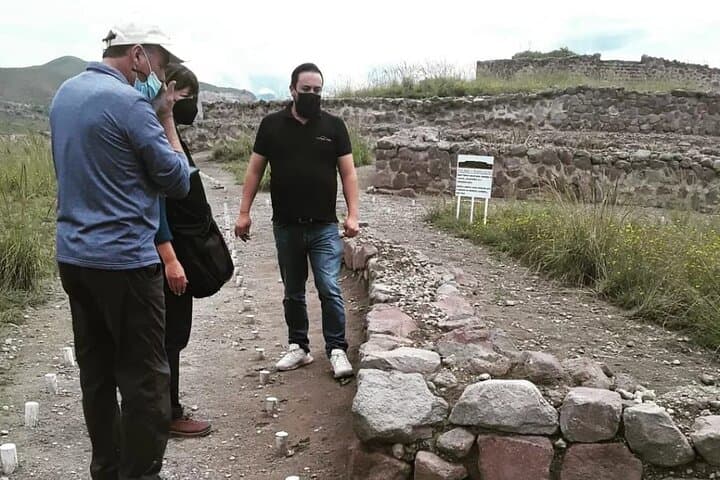
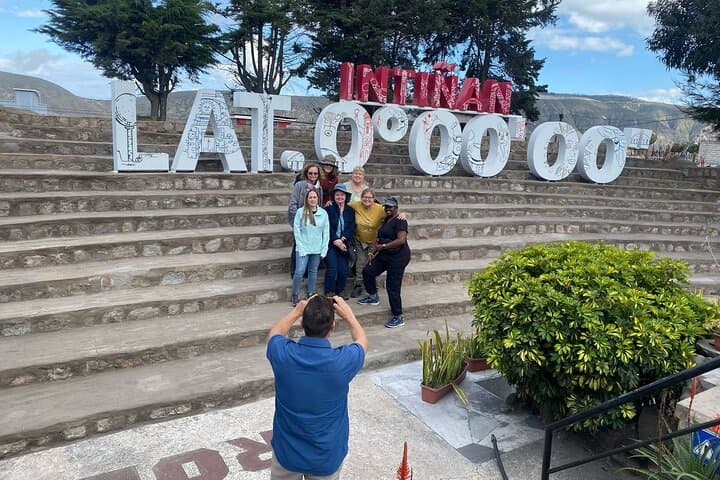
The itinerary threads three layers of place: colonial Quito, founded and refashioned after the Spanish conquest with baroque churches and gold-leaf interiors; the volcanic geology of the Pichincha slope that created the city’s steep terraces; and the scientific curiosity at the Middle of the World, where 18th–20th century geodesic surveys and contemporary exhibits show how the equator was located and contested. Guides point out indigenous influences in markets and on El Panecillo’s statue of the Virgin of Quito, and local cafés serve highland coffee grown on nearby volcanic soils.
Practical notes: the tour is flexible from one to four hours but expect walking on cobbles, staircases and brief vehicle transfers. Altitude is the chief consideration—take it easy the first day, hydrate, and carry sun protection; the TelefériQo reaches above 4,000 m. Wear sturdy shoes, layer for sudden wind and rain, and budget time for slow-moving traffic. For best light and clearer views, schedule the cable car early or late in the afternoon. Cash is handy for small purchases and tipping; bilingual guides simplify logistics and give cultural context that turns landmarks into stories.
easy.
1–4 hours.
Light walking endurance; able to handle stairs and uneven cobbles for multiple short walks.
The experience is flexible—booked routes run between one and four hours depending on which stops you choose.
Yes—Quito sits near 2,850 m and the cable car climbs above 4,000 m; allow time to acclimate, hydrate, and avoid heavy exertion on arrival day.
Some central plazas and museums have limited accessibility; the tour notes stroller access and infant seats but expect cobblestones and stairs in parts of Old Town.
Yes, the tour provides certified bilingual (English and Spanish) guides.
Quito’s historic center grew from pre-Columbian settlements through Spanish colonial restructuring; its dense baroque churches reflect wealth from colonial-era trade and local craft traditions.
Visitor impact is managed through entry fees and controlled access at key sites; stick to marked paths, avoid single-use plastics, and support local guides and artisan cooperatives to sustain the local economy.
Luxury Andes operates guided outdoor trips and adventures with an emphasis on safety, stewardship, and memorable experiences.
Morning light unrolls across Plaza Grande and the bells of La Compañía cut through the thin Andean air. At 2,850 meters the city feels both intimate and vast: narrow colonial streets give way to broad, volcanic ridgelines that rise and fall like the ribs of the surrounding volcanoes. A ride on the TelefériQo lifts travelers to alpine scrub above the city, where clouds push and peel and Quito’s urban pattern opens toward Cotopaxi and Cayambe.
Morning light unrolls across Plaza Grande and the bells of La Compañía cut through the thin Andean air. At 2,850 meters the city feels both intimate and vast: narrow colonial streets give way to broad, volcanic ridgelines that rise and fall like the ribs of the surrounding volcanoes. A ride on the TelefériQo lifts travelers to alpine scrub above the city, where clouds push and peel and Quito’s urban pattern opens toward Cotopaxi and Cayambe.
The itinerary threads three layers of place: colonial Quito, founded and refashioned after the Spanish conquest with baroque churches and gold-leaf interiors; the volcanic geology of the Pichincha slope that created the city’s steep terraces; and the scientific curiosity at the Middle of the World, where 18th–20th century geodesic surveys and contemporary exhibits show how the equator was located and contested. Guides point out indigenous influences in markets and on El Panecillo’s statue of the Virgin of Quito, and local cafés serve highland coffee grown on nearby volcanic soils.
Practical notes: the tour is flexible from one to four hours but expect walking on cobbles, staircases and brief vehicle transfers. Altitude is the chief consideration—take it easy the first day, hydrate, and carry sun protection; the TelefériQo reaches above 4,000 m. Wear sturdy shoes, layer for sudden wind and rain, and budget time for slow-moving traffic. For best light and clearer views, schedule the cable car early or late in the afternoon. Cash is handy for small purchases and tipping; bilingual guides simplify logistics and give cultural context that turns landmarks into stories.