THE ADVENTURE COLLECTIVE® · Independent discovery and booking for outdoor travel

Ride the Teleférico to cloud-line viewpoints, test earth’s forces at the Intiñan Equator site, and walk Quito’s UNESCO-listed Old Town in a single day. This full-day loop pairs high-altitude panoramas with colonial architecture and practical tips for handling thin air and shifting weather.
Ride the Teleférico to cloud-line viewpoints, test earth’s forces at the Intiñan Equator site, and walk Quito’s UNESCO-listed Old Town in a single day. This full-day loop pairs high-altitude panoramas with colonial architecture and practical tips for handling thin air and shifting weather.
A morning van winds up from Quito's broad avenues and the city quickly thins into scrub and pine. Within twenty minutes the Teleférico hauls you up through cloud fingers; the wind tugs at your jacket as the cabins climb toward 4,000 meters and the city below shrinks into a patchwork of roofs. At the high station a short trail pushes into the páramo where the Andes seem to press the horizon back and volcanoes stand like watchful, slow-moving beasts.
Verified experiences and guided adventures in the surrounding area.
Operated by Galapagos My World · Quito, Pichincha
A morning van winds up from Quito's broad avenues and the city quickly thins into scrub and pine. Within twenty minutes the Teleférico hauls you up through cloud fingers; the wind tugs at your jacket as the cabins climb toward 4,000 meters and the city below shrinks into a patchwork of roofs. At the high station a short trail pushes into the páramo where the Andes seem to press the horizon back and volcanoes stand like watchful, slow-moving beasts.
History here is layered: indigenous Lulumbamba communities shaped the valleys long before Spanish stone arrived to crowd the Plaza Grande. The Equator monuments at Intiñan celebrate centuries of equinoctial ritual and invite simple experiments—the Coriolis effect toy with water, a passport stamp marking the odd pleasure of standing with one foot in each hemisphere. Geologically, Quito sits on a high inter-Andean plain carved by uplift and volcanic fire; the Avenue of the Volcanoes is visible on clear days between July and September.
Practical guidance: plan for altitude—Quito’s historic center sits ~2,850 m and the Teleférico reaches ~4,000 m—so hydrate, eat lightly, and move at a measured pace. Dress in layers: sun, wind, and sudden cloud can all arrive within an hour. Comfortable walking shoes are needed for cobbled streets and a short mountain hike. Bring your passport if you want the Intiñan stamp, small cash for market snacks, and a camera with a wide lens for the wide, volcanic vistas. Timing matters: aim for morning cable-car rides for the clearest views and reserve time to slow down in La Compañía de Jesús to appreciate its gilded interior.
moderate.
8 hours.
Moderate fitness; the day includes short uphill hiking at high elevation—expect thinner air and steady walking.
Possibly—Quito and the Teleférico reach high elevations. Drink water, move slowly, avoid alcohol before ascent, and notify the guide if you feel severe symptoms.
Intiñan claims the local ground marker as the equator and demonstrates experiments; the nearby Monument to the Equator (Mitad del Mundo) sits on a slightly different surveyed line.
Yes—bring your passport for an on-site stamp at the Intiñan museum; smaller fees or queues may apply during peak times.
Parts of the tour include uneven cobbles and a short mountain hike; the Teleférico cabins require step-up access—travelers with limited mobility should discuss needs with the operator in advance.
Quito was named the first UNESCO World Heritage city in 1978; the region combines pre-Inca indigenous culture with Spanish colonial architecture concentrated around Plaza Grande.
The high Andean páramo is fragile—stay on trails, avoid picking native plants, and minimize plastic waste; local operators increasingly support reforestation and sustainable waste practices.
Galapagos My World operates guided outdoor trips and adventures with an emphasis on safety, stewardship, and memorable experiences.
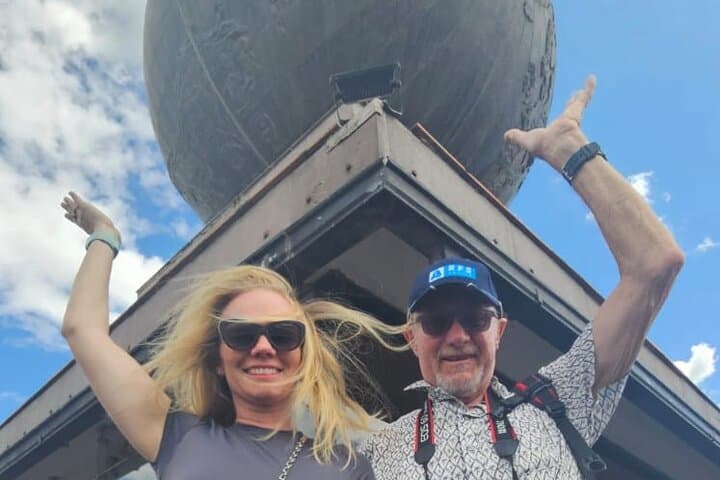
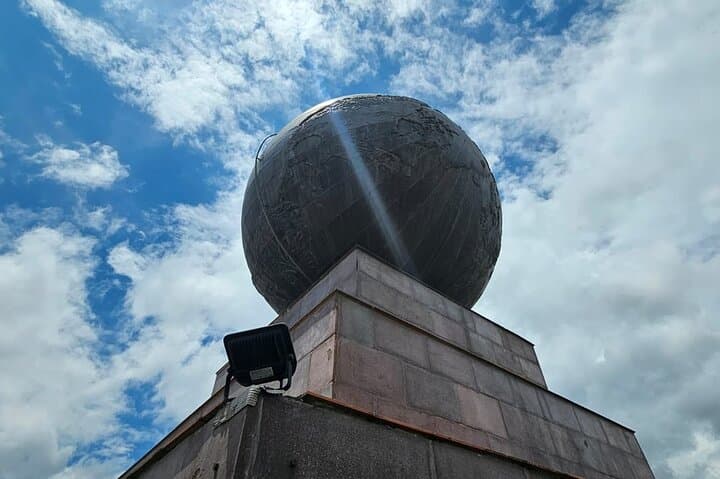
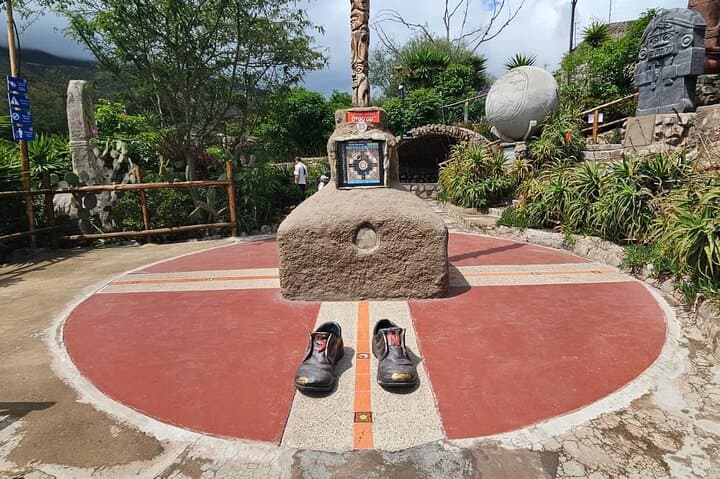
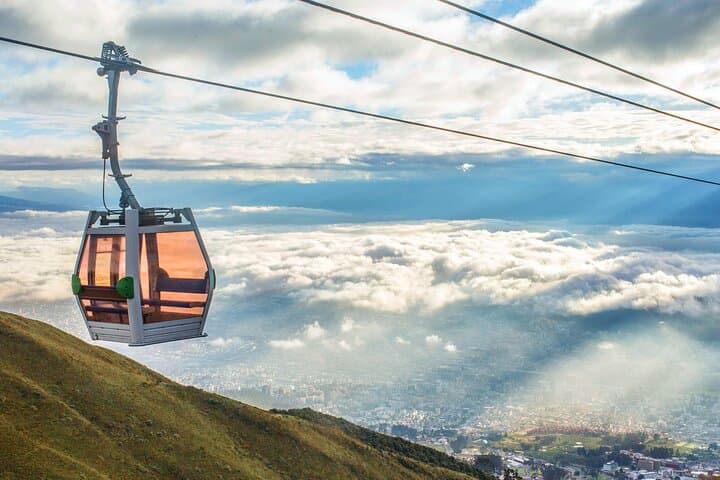
A morning van winds up from Quito's broad avenues and the city quickly thins into scrub and pine. Within twenty minutes the Teleférico hauls you up through cloud fingers; the wind tugs at your jacket as the cabins climb toward 4,000 meters and the city below shrinks into a patchwork of roofs. At the high station a short trail pushes into the páramo where the Andes seem to press the horizon back and volcanoes stand like watchful, slow-moving beasts.
A morning van winds up from Quito's broad avenues and the city quickly thins into scrub and pine. Within twenty minutes the Teleférico hauls you up through cloud fingers; the wind tugs at your jacket as the cabins climb toward 4,000 meters and the city below shrinks into a patchwork of roofs. At the high station a short trail pushes into the páramo where the Andes seem to press the horizon back and volcanoes stand like watchful, slow-moving beasts.
History here is layered: indigenous Lulumbamba communities shaped the valleys long before Spanish stone arrived to crowd the Plaza Grande. The Equator monuments at Intiñan celebrate centuries of equinoctial ritual and invite simple experiments—the Coriolis effect toy with water, a passport stamp marking the odd pleasure of standing with one foot in each hemisphere. Geologically, Quito sits on a high inter-Andean plain carved by uplift and volcanic fire; the Avenue of the Volcanoes is visible on clear days between July and September.
Practical guidance: plan for altitude—Quito’s historic center sits ~2,850 m and the Teleférico reaches ~4,000 m—so hydrate, eat lightly, and move at a measured pace. Dress in layers: sun, wind, and sudden cloud can all arrive within an hour. Comfortable walking shoes are needed for cobbled streets and a short mountain hike. Bring your passport if you want the Intiñan stamp, small cash for market snacks, and a camera with a wide lens for the wide, volcanic vistas. Timing matters: aim for morning cable-car rides for the clearest views and reserve time to slow down in La Compañía de Jesús to appreciate its gilded interior.