THE ADVENTURE COLLECTIVE® · Independent discovery and booking for outdoor travel

Spend a full day crossing the equator and wandering Quito’s colonial heart. This private tour pairs a hands-on visit to the Intiñan Museum with the churches, plazas and panoramic viewpoints that define the city.
Spend a full day crossing the equator and wandering Quito’s colonial heart. This private tour pairs a hands-on visit to the Intiñan Museum with the churches, plazas and panoramic viewpoints that define the city.
Morning light cuts across stone courtyards and red-tile roofs as your driver threads up through Quito’s basin toward the equatorial line. The day opens at Intiñan—where the “middle of the world” experiments nudge a grin as water spins a different way—and then folds back into the narrow streets of the Historic Center, where church bells and the city’s slow pulse keep time.
Verified experiences and guided adventures in the surrounding area.
Operated by latitudetripec · Quito, Pichincha
Morning light cuts across stone courtyards and red-tile roofs as your driver threads up through Quito’s basin toward the equatorial line. The day opens at Intiñan—where the “middle of the world” experiments nudge a grin as water spins a different way—and then folds back into the narrow streets of the Historic Center, where church bells and the city’s slow pulse keep time.
Quito’s core was declared the first UNESCO World Cultural Heritage city in 1978. Colonial planners grafted Spanish grids onto Andean slopes; volcanic stone and indigenous carving gave the Baroque façades their sharp lines and deep reliefs. The Quito School of art, the towering Basílica and the gilded interior of La Compañía tell stories of conquest, craft and local devotion. Modern Quito rises beyond the plazas—shopping centers and cafes showing the city’s two faces.
Expect a lot of walking interleaved with short drives: panoramic stops at El Panecillo, climbs up the Basílica towers (optional), visits to Plaza Grande and the Cathedral, and a late-afternoon rooftop at Guayunga if you choose. Several small entry fees (roughly $4–$5 at some churches and viewpoints) are common; private transport and a local guide are included in this full-day format.
Practical edge: pace yourself for altitude, layer for sudden sun and wind, carry small bills for museum fees, and keep your camera ready—stonework and city vistas are best in the soft light around midday and sunset. This is a cultural day with outdoor viewpoints, well suited to travelers who want history with the occasional breath of high-Andean air.
moderate.
9–10 hours.
Comfortable walking ability for several hours and short stair climbs; be prepared for high-altitude breathing.
Yes — the tour includes private transportation for pickup, transfers between sites and return.
Some sites require small admission fees (typically $4–$5) that are usually not included and are paid on-site.
Generally yes — the itinerary is paced for all fitness levels, but altitude can affect children and those with heart or respiratory conditions.
Expect several short walks and stair climbs totaling a few kilometers spread over the day; the guide times stops to reduce continuous exertion.
Quito’s Historic Center dates back to the 16th century and preserves extensive colonial architecture; it was named the first Latin American UNESCO World Cultural Heritage City in 1978.
The Historic Center relies on careful visitor behavior to protect carved volcanic stone and church interiors—avoid touching walls, pack out trash, and support local guides and small museums.
latitudetripec operates guided outdoor trips and adventures with an emphasis on safety, stewardship, and memorable experiences.
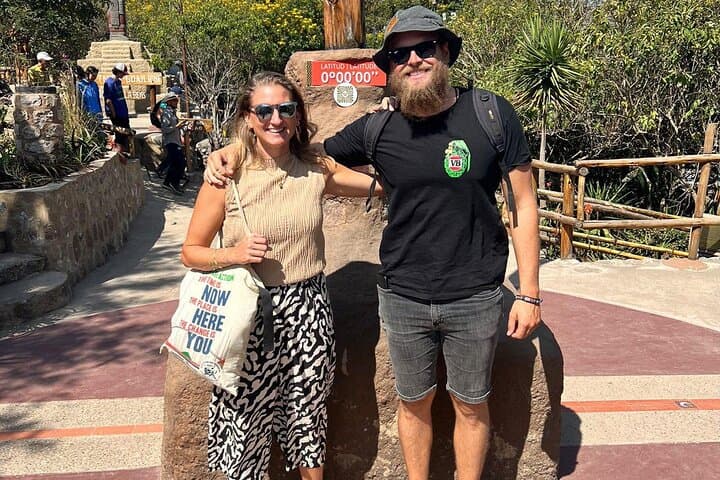
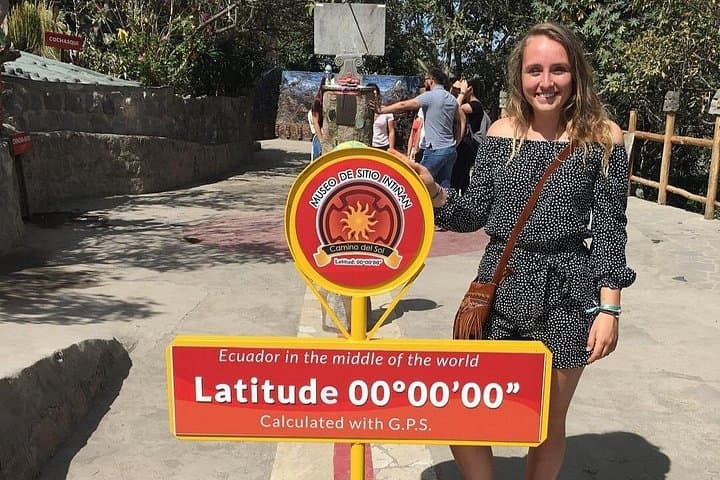
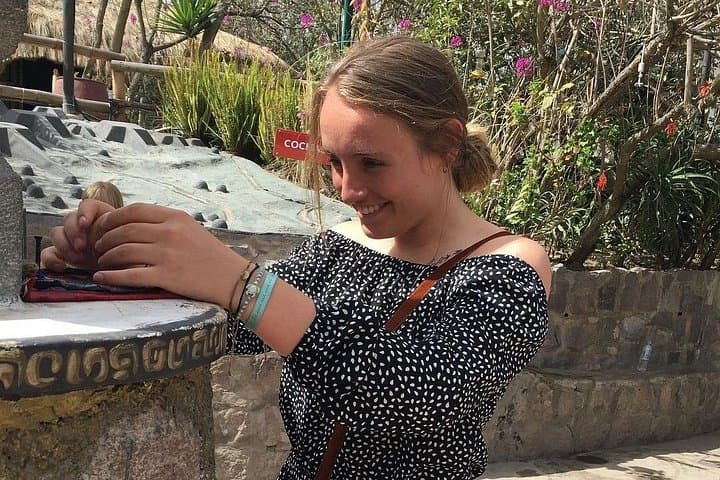
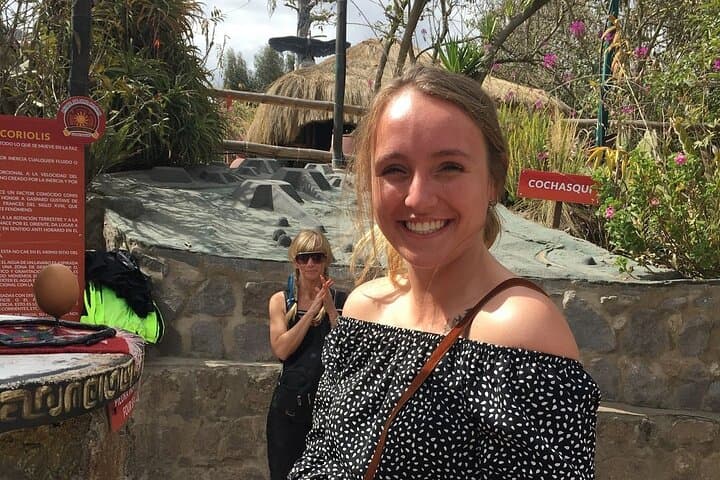
Morning light cuts across stone courtyards and red-tile roofs as your driver threads up through Quito’s basin toward the equatorial line. The day opens at Intiñan—where the “middle of the world” experiments nudge a grin as water spins a different way—and then folds back into the narrow streets of the Historic Center, where church bells and the city’s slow pulse keep time.
Morning light cuts across stone courtyards and red-tile roofs as your driver threads up through Quito’s basin toward the equatorial line. The day opens at Intiñan—where the “middle of the world” experiments nudge a grin as water spins a different way—and then folds back into the narrow streets of the Historic Center, where church bells and the city’s slow pulse keep time.
Quito’s core was declared the first UNESCO World Cultural Heritage city in 1978. Colonial planners grafted Spanish grids onto Andean slopes; volcanic stone and indigenous carving gave the Baroque façades their sharp lines and deep reliefs. The Quito School of art, the towering Basílica and the gilded interior of La Compañía tell stories of conquest, craft and local devotion. Modern Quito rises beyond the plazas—shopping centers and cafes showing the city’s two faces.
Expect a lot of walking interleaved with short drives: panoramic stops at El Panecillo, climbs up the Basílica towers (optional), visits to Plaza Grande and the Cathedral, and a late-afternoon rooftop at Guayunga if you choose. Several small entry fees (roughly $4–$5 at some churches and viewpoints) are common; private transport and a local guide are included in this full-day format.
Practical edge: pace yourself for altitude, layer for sudden sun and wind, carry small bills for museum fees, and keep your camera ready—stonework and city vistas are best in the soft light around midday and sunset. This is a cultural day with outdoor viewpoints, well suited to travelers who want history with the occasional breath of high-Andean air.