THE ADVENTURE COLLECTIVE® · Independent discovery and booking for outdoor travel

Combine a historic walking tasting of Quito with a hands-on cooking class led by a professional chef. Taste street specialties, learn regional techniques, and prepare coastal and Andean dishes in a 3–5 hour private experience.
Combine a historic walking tasting of Quito with a hands-on cooking class led by a professional chef. Taste street specialties, learn regional techniques, and prepare coastal and Andean dishes in a 3–5 hour private experience.
You step out of a colonial courtyard into the thin Andean air; Quito’s red-tiled roofs spill downhill, and the Panecillo statue watches over the city like a weathered guardian. The morning can open with sweeping views from the hilltop or a quick detour to Mitad del Mundo to stand where the equator dares you to balance north and south. Then the streets tighten into markets and bakeries where aromas — fresh empanadas, single-origin dark chocolate, roasted corn — braid together.
Verified experiences and guided adventures in the surrounding area.
Operated by Lets go to Ecuador · Quito, Pichincha
You step out of a colonial courtyard into the thin Andean air; Quito’s red-tiled roofs spill downhill, and the Panecillo statue watches over the city like a weathered guardian. The morning can open with sweeping views from the hilltop or a quick detour to Mitad del Mundo to stand where the equator dares you to balance north and south. Then the streets tighten into markets and bakeries where aromas — fresh empanadas, single-origin dark chocolate, roasted corn — braid together.
Quito’s historic center is one of the largest and best-preserved in the Americas, a grid of Spanish-era plazas framed by Andean stone and baroque churches. Geologically the city sits on a high volcanic plateau; the air carries the faint sulfur-sweet signature of distant cones and the wind can shift in minutes. Culturally, food is a blend: Andean staples like quinoa and cassava meet coastal flavors — coconut milk and fresh seafood — a legacy of trade between highlands and Pacific.
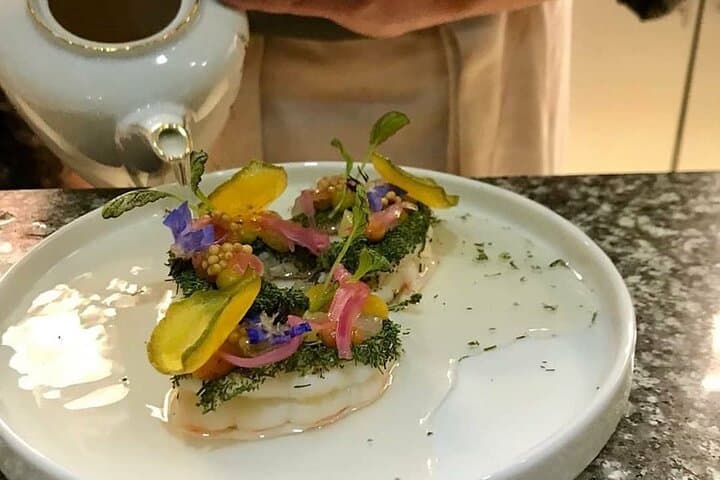
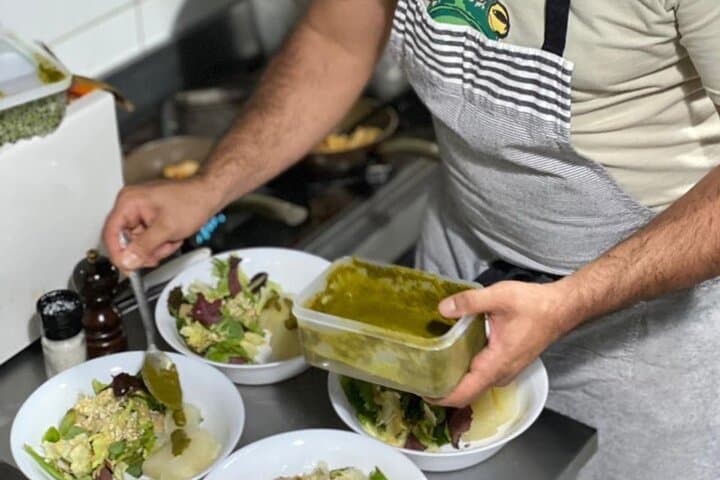
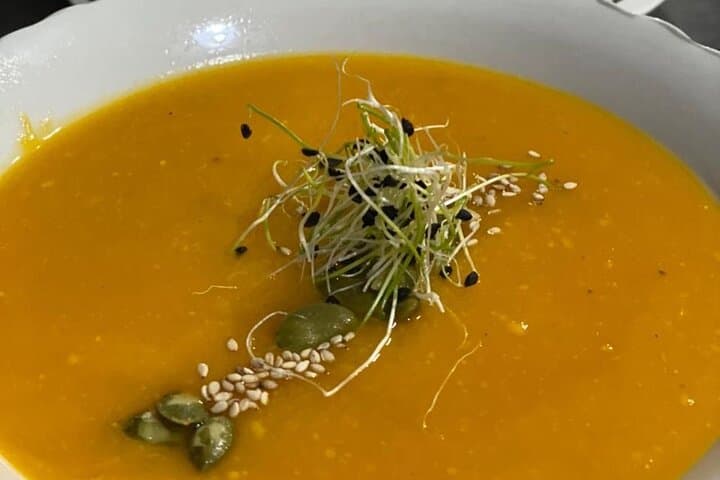
The experience moves from street tasting to a hands-on kitchen. Under a professional chef’s direction you make a jungle ceviche starter, an encocado tapao main (or a baked Andean quinoto vegetarian alternative), and a lemongrass crème brûlée for dessert. Expect guided technique, all ingredients provided, and an exotic fruit tasting.
Practical guidance: bring layers, a hat, and water; Quito’s elevation (about 2,850 m) means slower pacing and extra hydration. Book morning slots if you prefer drier weather and clearer views; allow 3–5 hours to include walking and the class. This trip is as much about tactile learning as it is about tasting — arrive curious and ready to cook.
easy.
3–5 hours.
Suitable for most fitness levels; expect light walking on cobblestones and standing during the cooking session.
Yes; the chef guides step-by-step techniques and all recipes are adapted for participants with no prior experience.
All ingredients listed in the itinerary, the cooking instruction, exotic fruit tasting, and bottled water are included.
Vegetarian options are offered (e.g., Andean quinoto); indicate allergies or preferences at booking for adjustments.
Mild symptoms are possible; rest, hydrate, avoid heavy meals before the activity, and inform the operator of concerns.
Quito’s historic center dates to the 16th century and sits atop an Inca and pre-Inca footprint; culinary traditions reflect highland agriculture and coastal trade.
Support vendors using locally sourced ingredients and avoid single-use plastics; the region emphasizes sustainable sourcing of seafood and native grains.
Lets go to Ecuador operates guided outdoor trips and adventures with an emphasis on safety, stewardship, and memorable experiences.
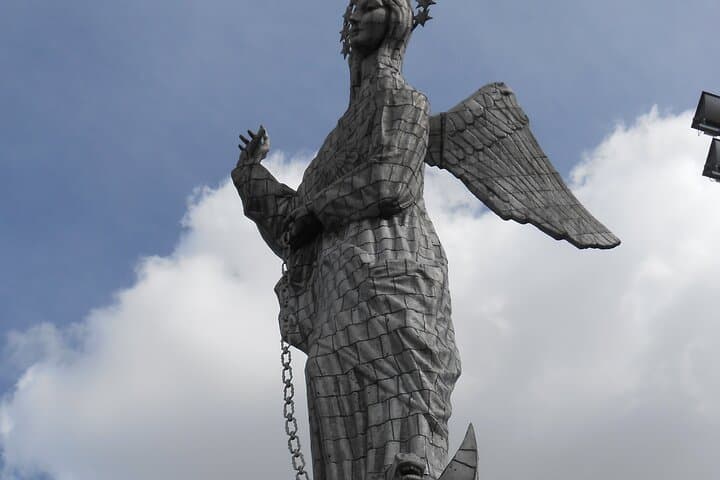
You step out of a colonial courtyard into the thin Andean air; Quito’s red-tiled roofs spill downhill, and the Panecillo statue watches over the city like a weathered guardian. The morning can open with sweeping views from the hilltop or a quick detour to Mitad del Mundo to stand where the equator dares you to balance north and south. Then the streets tighten into markets and bakeries where aromas — fresh empanadas, single-origin dark chocolate, roasted corn — braid together.
You step out of a colonial courtyard into the thin Andean air; Quito’s red-tiled roofs spill downhill, and the Panecillo statue watches over the city like a weathered guardian. The morning can open with sweeping views from the hilltop or a quick detour to Mitad del Mundo to stand where the equator dares you to balance north and south. Then the streets tighten into markets and bakeries where aromas — fresh empanadas, single-origin dark chocolate, roasted corn — braid together.
Quito’s historic center is one of the largest and best-preserved in the Americas, a grid of Spanish-era plazas framed by Andean stone and baroque churches. Geologically the city sits on a high volcanic plateau; the air carries the faint sulfur-sweet signature of distant cones and the wind can shift in minutes. Culturally, food is a blend: Andean staples like quinoa and cassava meet coastal flavors — coconut milk and fresh seafood — a legacy of trade between highlands and Pacific.
The experience moves from street tasting to a hands-on kitchen. Under a professional chef’s direction you make a jungle ceviche starter, an encocado tapao main (or a baked Andean quinoto vegetarian alternative), and a lemongrass crème brûlée for dessert. Expect guided technique, all ingredients provided, and an exotic fruit tasting.
Practical guidance: bring layers, a hat, and water; Quito’s elevation (about 2,850 m) means slower pacing and extra hydration. Book morning slots if you prefer drier weather and clearer views; allow 3–5 hours to include walking and the class. This trip is as much about tactile learning as it is about tasting — arrive curious and ready to cook.